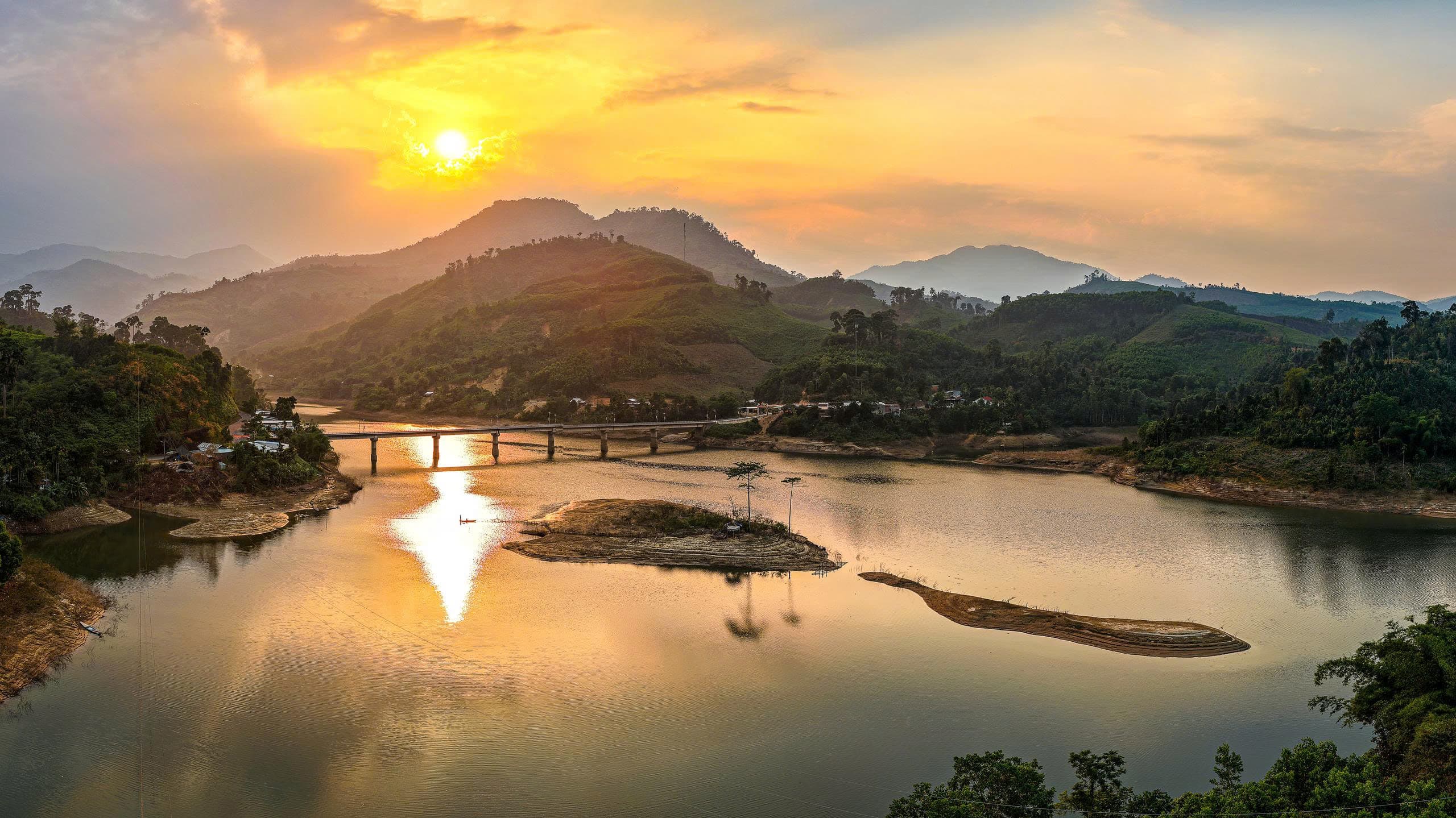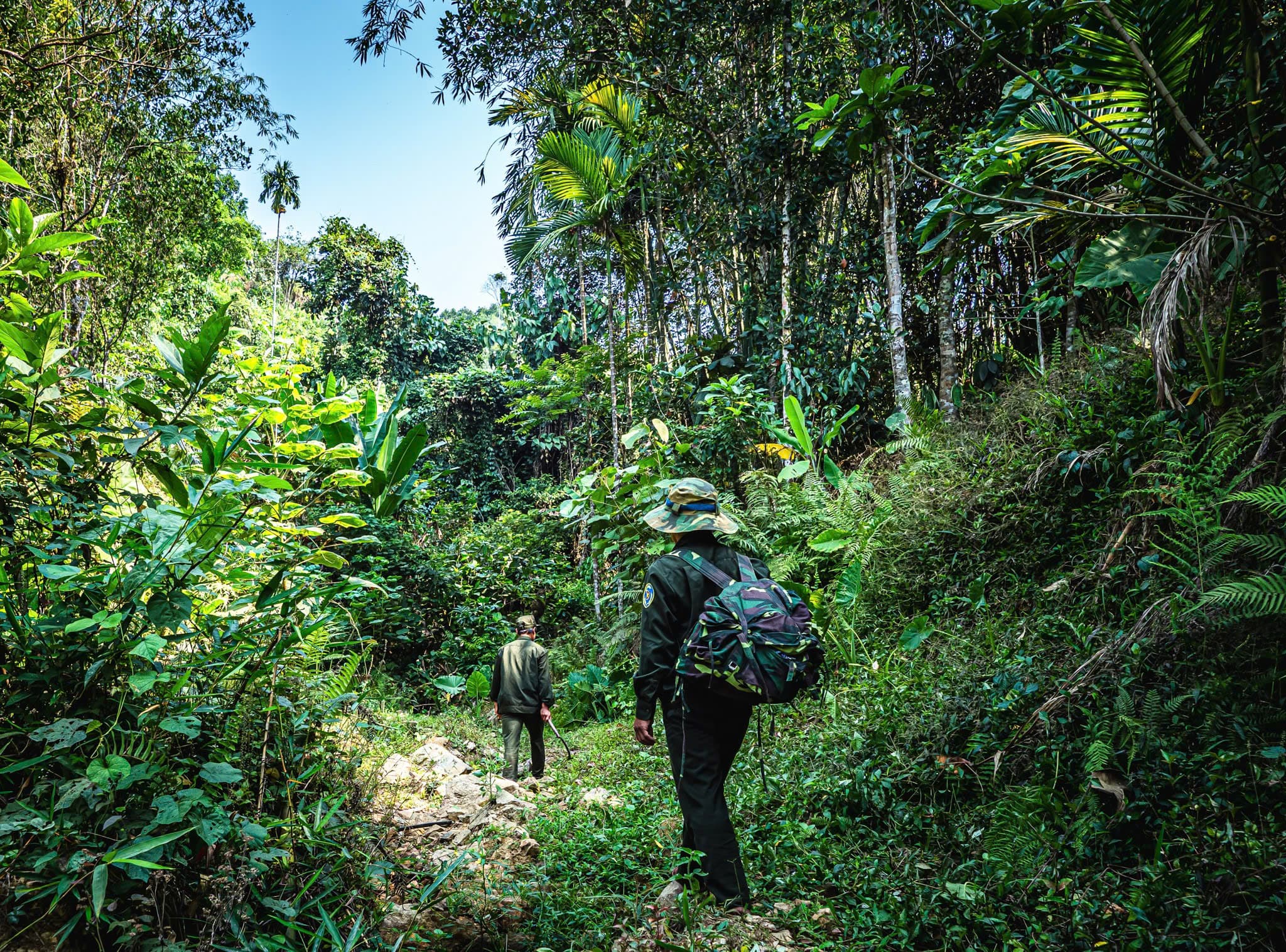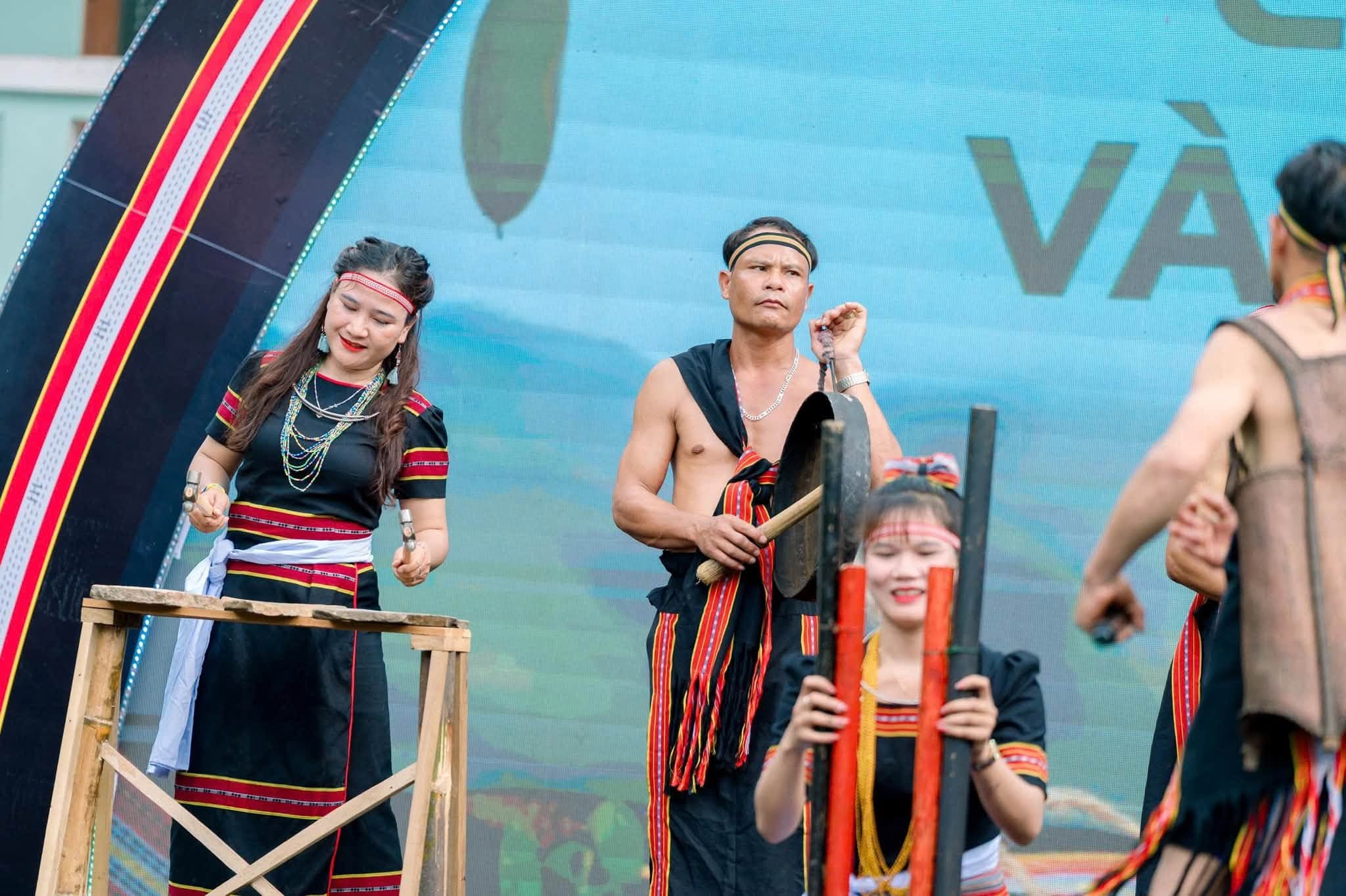
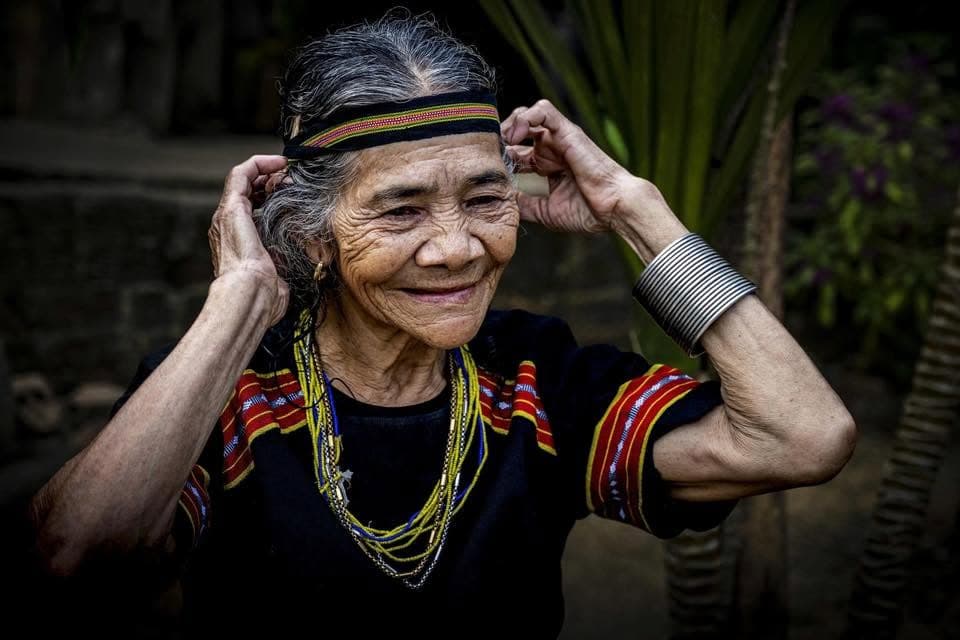
In Trà Leng, if the forest is the foundation of life and cinnamon and Sâm Ngọc Linh are the sources of livelihood, then culture is the value that creates the distinct identity of this land. Traditional festivals, the sound of gongs, brocade weaving, straw wine, folk tales, and customs of interacting with the forest have been preserved through generations, contributing to a unique cultural space amidst the vast mountains.
In a context where many localities are seeking competitive advantages for development, culture is increasingly recognized as a special resource. For Trà Leng, preserving culture is not only about conserving tradition but also serves as the foundation for developing community-based tourism, building a local brand, and creating momentum for sustainable development in the future.
Culture is the memory of the community and the thread connecting generations
Unlike material assets that can be seen or valued in money, culture exists in human memory and is nurtured through each generation. It is the indigenous knowledge accumulated through labor, the customs formed by natural conditions, and the spiritual values passed down from grandparents to parents and then to children. This persistent process of inheritance has helped Trà Leng retain many unique cultural features despite an ever-changing society.
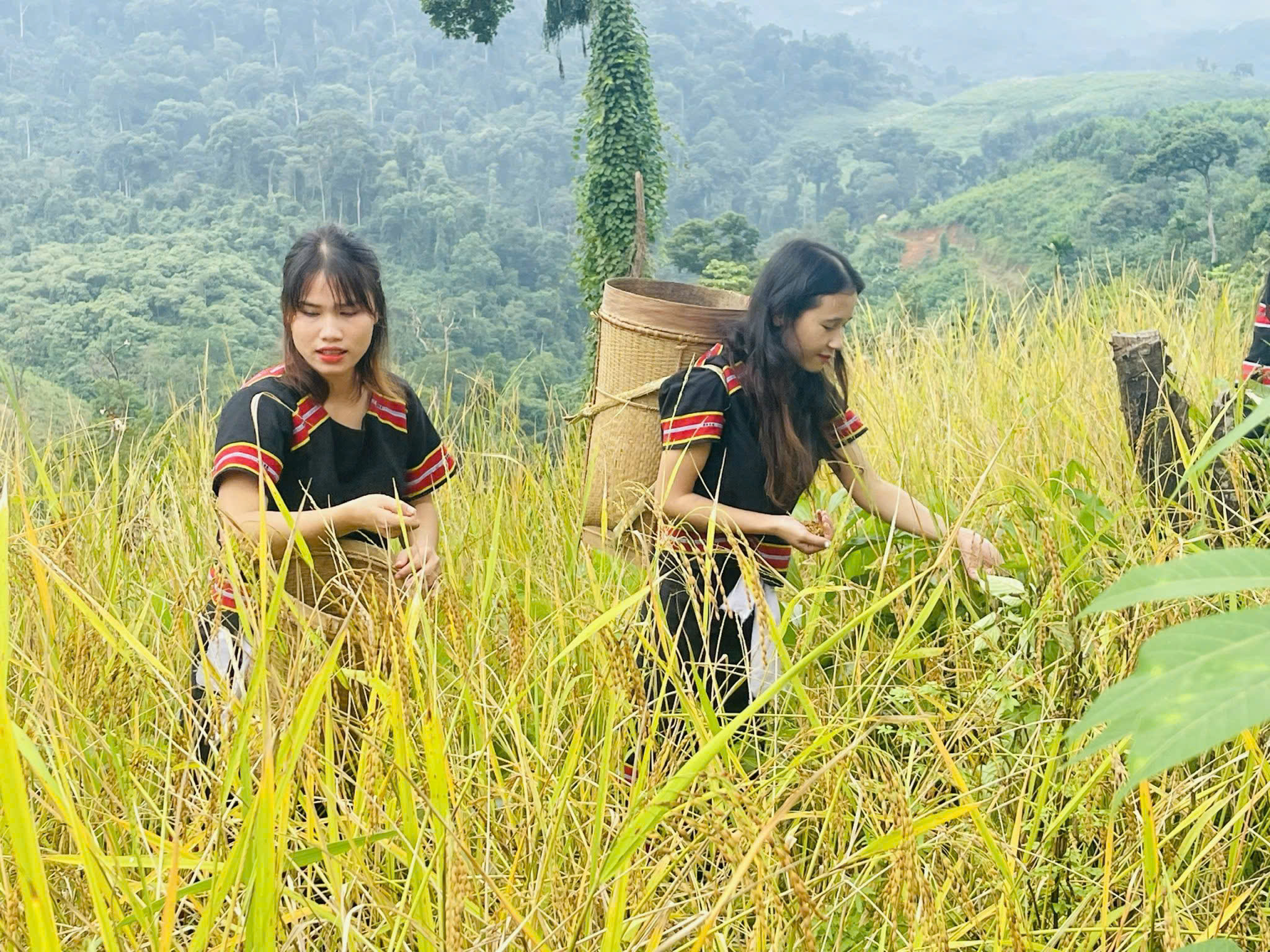
In Trà Leng, children grow up with the sound of gongs during festivals, the stories of village elders about the history of the hamlet, and the images of parents going into the forest to care for cinnamon, plant ginseng, or weave brocade during leisure time. These seemingly simple things are the "first classroom" of culture. Without long lectures, each generation learns to love their homeland through daily life, thereby forming a consciousness to preserve the values left by their ancestors.
What is precious is that culture in Trà Leng is not "framed" in museums or rare ceremonial occasions. Culture remains present in community activities, in the way people treat one another, in the practice of farming under the forest canopy, and in the rituals marking important milestones of life. This continuous presence has helped the local identity avoid fading over time.
Culture creates distinct value and opens development opportunities for Trà Leng
In the current era, a locality's competitive advantage comes not only from natural resources but also from its own identity. Forests can be planted in many places, cinnamon or medicinal plants can grow in other regions with suitable conditions, but cultural values formed over hundreds of years of history cannot be copied. This is what creates the distinction of Trà Leng on the cultural and tourism map.
Every characteristic local product carries a cultural story behind it. A cinnamon stick is not just a raw material for processing or essential oil production but is also linked to the forest-planting customs of the ethnic people. A piece of brocade is not simply a handicraft product but reflects the aesthetic thinking, worldview, and spiritual life of the person who made it. Even dishes like bamboo-tube rice and straw wine contain stories of human adaptation to the natural conditions of the high mountains.
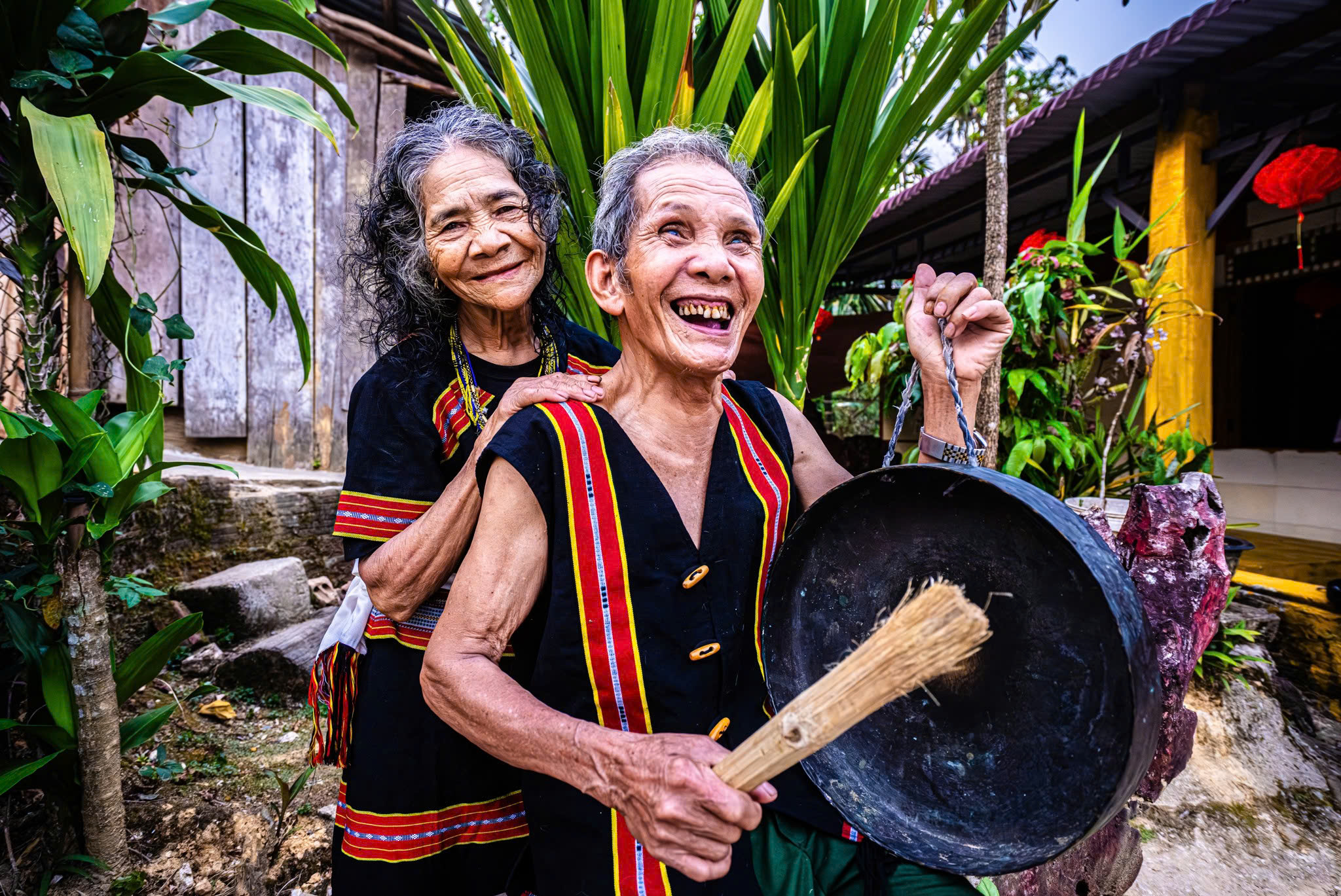
These factors have given Trà Leng more opportunities to develop community tourism and build a local brand. When tourists come here, what they remember most is not just the beautiful scenery but also the authentic cultural experiences. They remember the sound of gongs on festival nights, the stories of cinnamon growers, the aroma of straw wine, or the feeling of sitting by the fire with local people. These are experiences that cannot be bought at any modern tourist resort.
Preserving culture today is investing in the future of Trà Leng
Over the past years, Trà Leng has been gradually developing its economy based on the advantages of Quế Trà Leng, Sâm Ngọc Linh, OCOP products, and ecotourism. However, for these sectors to develop sustainably, culture must be seen as the foundation rather than a supporting factor. When culture is preserved, local products will have more stories to tell; when the community retains its identity, tourism will have more depth; and when the younger generation understands traditional values, the locality will have more motivation for long-term development.
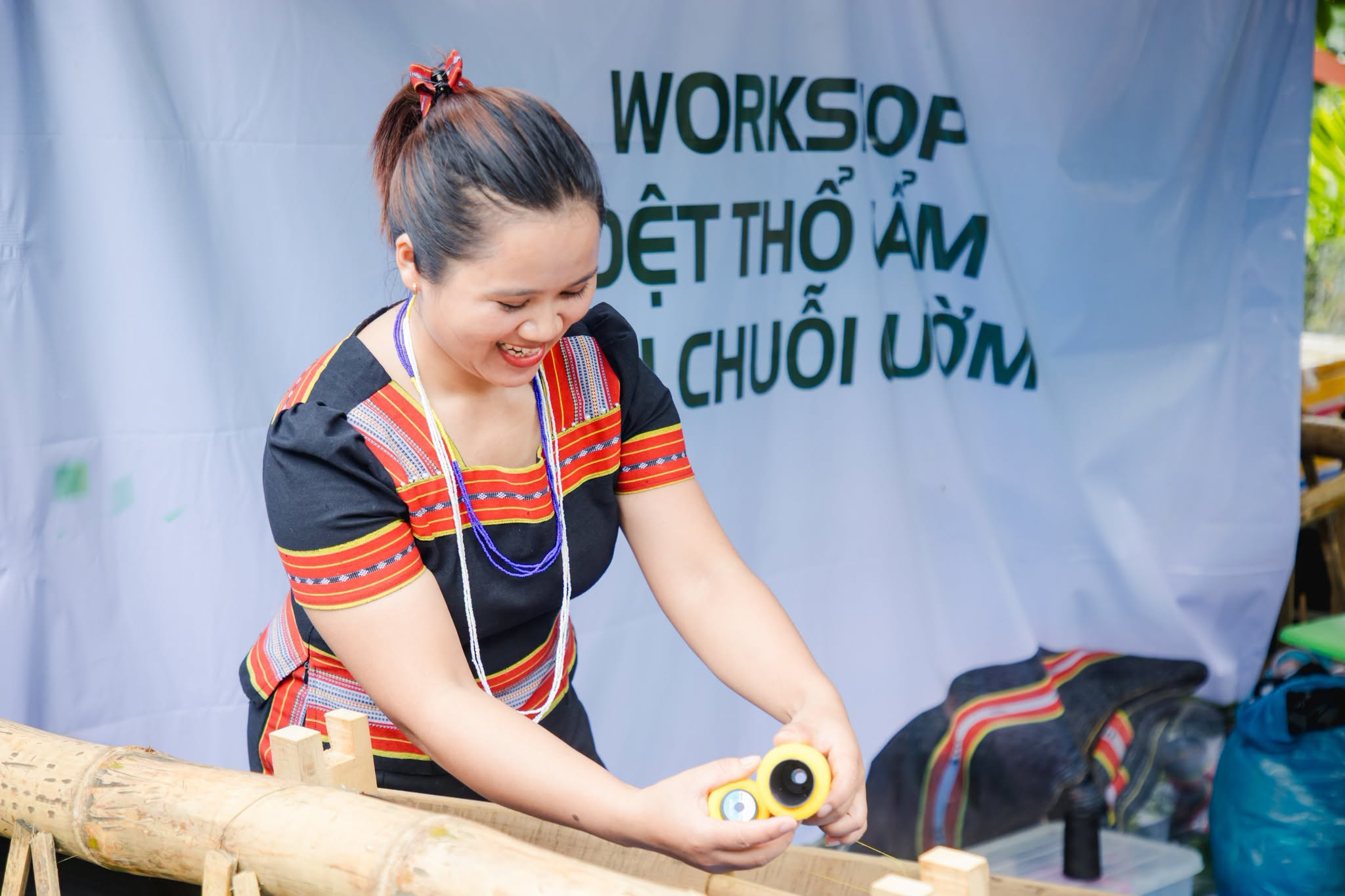
Preserving culture, therefore, is not about keeping old things but creating conditions for traditional values to continue adapting to modern life. Brocade weaving can be combined with new designs to create tourism products; the sound of gongs can become a highlight in festivals; products from cinnamon or medicinal plants can carry stories about the land and people of Trà Leng when entering domestic and international markets. This connection between tradition and innovation will help culture continue to live in modern life.
It can be said that culture is the most precious asset that nature cannot grant and money cannot create in a short time. It is the result of hundreds of years of accumulation, of the bond between humans and the mountains and forests, and of the spirit of preservation passed down through generations. When these values continue to be protected and promoted, Trà Leng will be known not only as the land of cinnamon and ginseng but also as a land of a rich cultural identity—an important foundation for the locality to develop sustainably in the future.