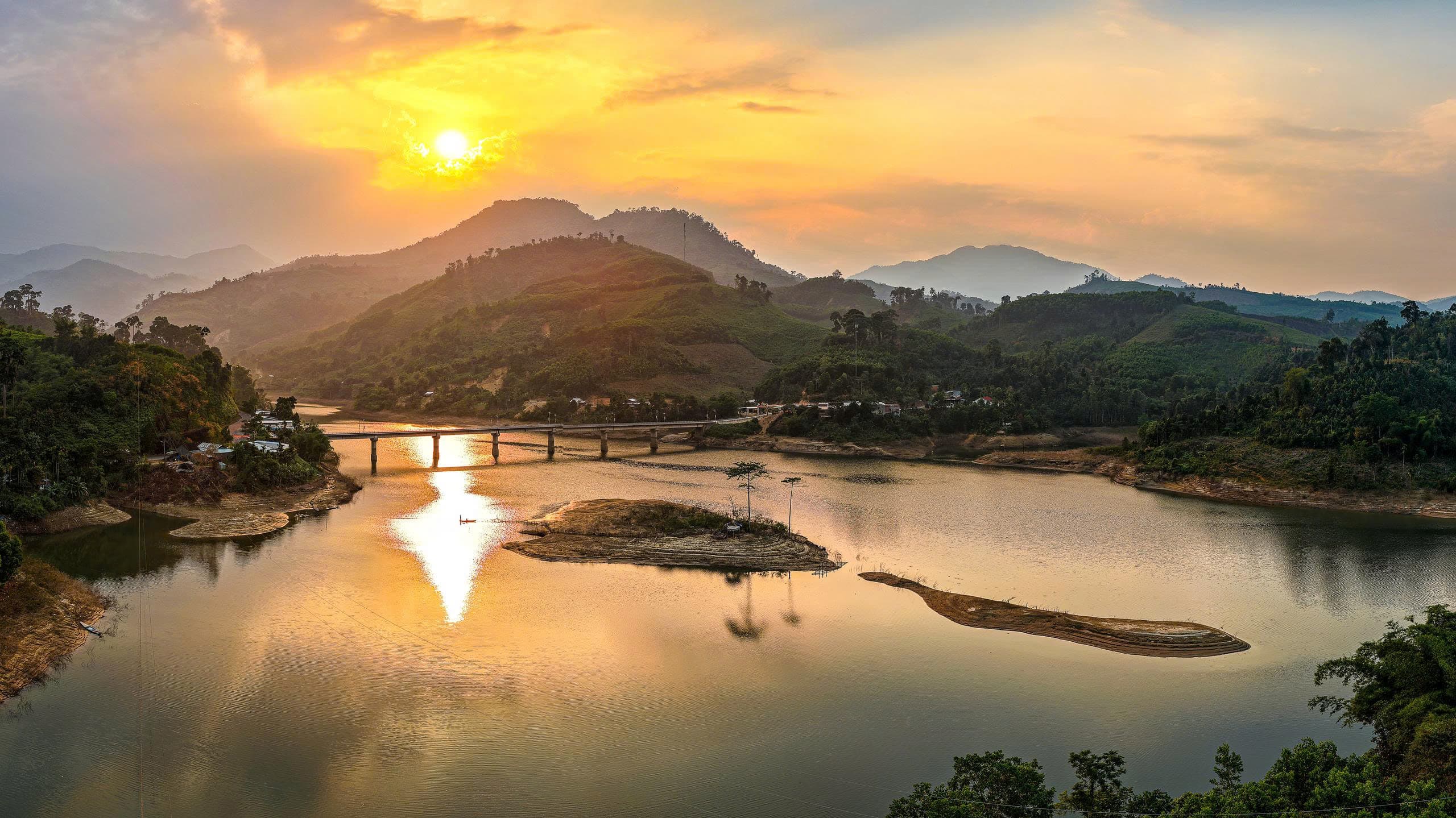
There are places where the journey is already part of the destination. Trà Leng is one of them. From Đà Nẵng the road follows the river, threads along mountain flanks and climbs steadily, until at some point you realise the clouds are no longer above you but drifting past your window. This article gathers the most practical things to know for anyone heading up to this land at nearly 1,500m for the first time.
Which season to come
Trà Leng has two distinct seasons, and each shows you a different face of the place. The dry season, roughly February to August, is the easiest time: dry roads, clear skies, mist filling the valleys at dawn and burning off as the sun rises. It is also the season when people head into the forest to strip cinnamon bark, so with a little luck you will meet baskets of freshly cut bark being carried down from the hills, scenting an entire stretch of road.
The rainy season, roughly September to December, is dramatic and beautiful in a different way — waterfalls in full flow, deep green forest, streams running high. But this is also when landslides are common and fog can cut visibility to a few dozen metres. If you travel then, watch the forecast closely in the days before and always keep a fallback date.
The road up
Trà Leng is about 120km from central Đà Nẵng; depending on the route and road conditions the drive takes three to four hours. The first stretch is wide and easy. The deeper you go, the narrower it gets, with hairpin bends and continuous climbs, and stretches where two vehicles can barely pass each other.
A high-clearance vehicle is the safest choice, especially after long spells of rain.
If you ride a motorbike, you should be experienced on mountain descents, check your brakes thoroughly before setting off, and never ride after dark.
Start early — mornings are clear with good visibility, and you will have the whole day to arrive before the mist settles in.
Fill up at the last town on the way, because fuel stations thin out as you climb.
Phone signal is patchy along many stretches: download offline maps and leave your itinerary with someone at home.
What to bring
At this altitude the gap between day and night temperatures is wide. Midday sun can be fierce, but evenings turn chilly and early mornings are heavy with dew. A light windbreaker is the item most people forget and most regret leaving behind.
A windbreaker or light warm layer, plus a dry change of clothes.
Shoes with good grip if you plan to walk into the cinnamon groves or down to the streams — the dirt paths are more slippery than they look.
A light rain jacket, even in the dry season, because mountain rain arrives fast.
Personal medication, medicated oil, plasters and insect repellent.
Small denomination cash — many places in the commune do not yet take cards or QR payments.
A power bank and a small torch for evenings in the village.
Where to go, what to see
Trà Leng is not a place to rush. With only one day you will barely manage the drive there and back. Two to three days is enough for the place to open up: a morning in the cinnamon hills, an afternoon down by the Tranh River, an evening staying over in a village.
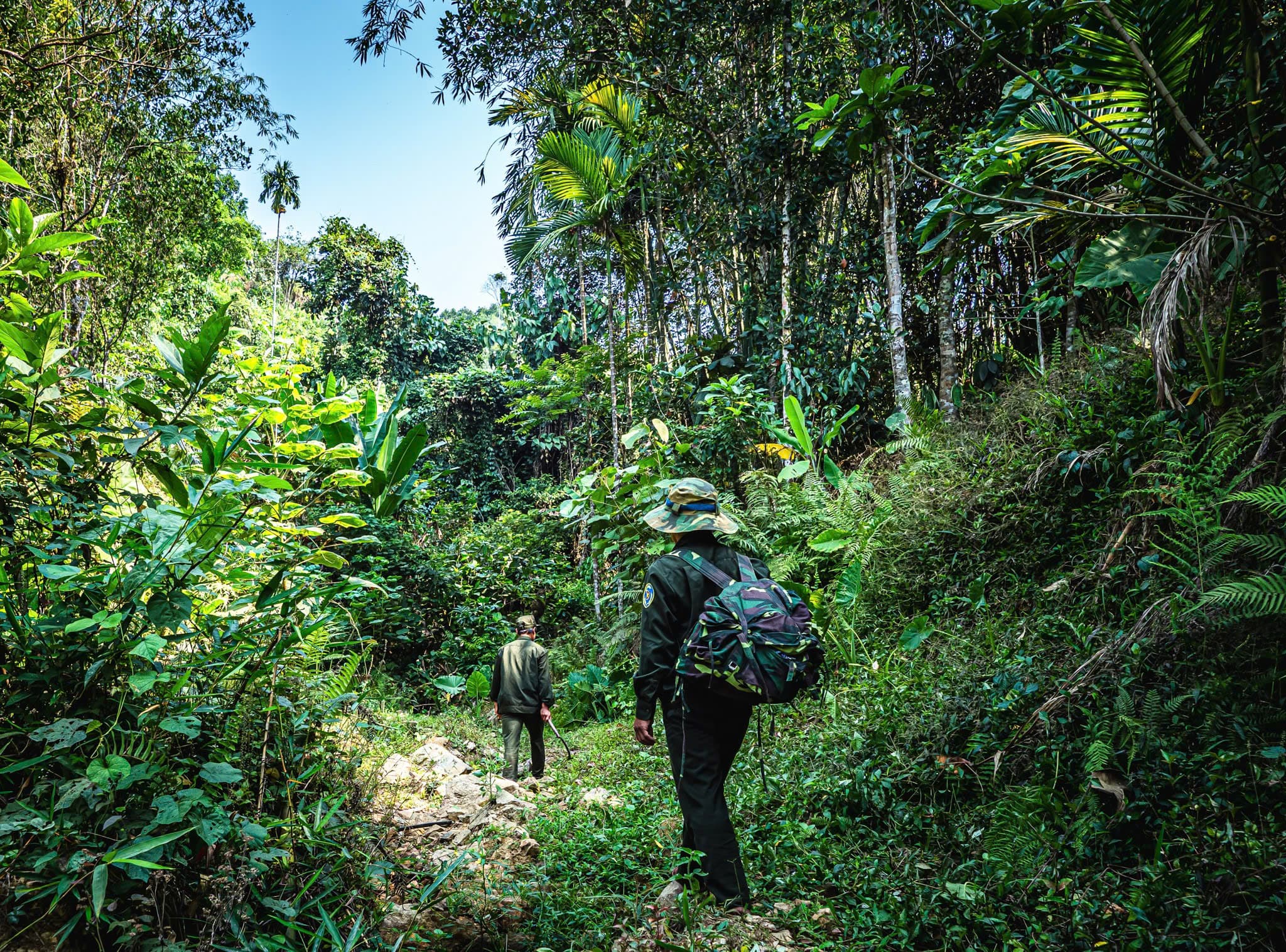
The old cinnamon groves deserve the most time — not only for the scenery, but for the story behind them. The Ca Dong people here plant cinnamon as savings for their children: parents plant, and fifteen or twenty years later the children harvest. Once you know that, an ordinary stand of trees becomes something else entirely.
The Bằng La residential area is another place many visitors want to see. Come as someone visiting a community that is living and rebuilding its own life, not as someone viewing a site of disaster. Residents feel that difference very clearly.
A few things to remember in the village
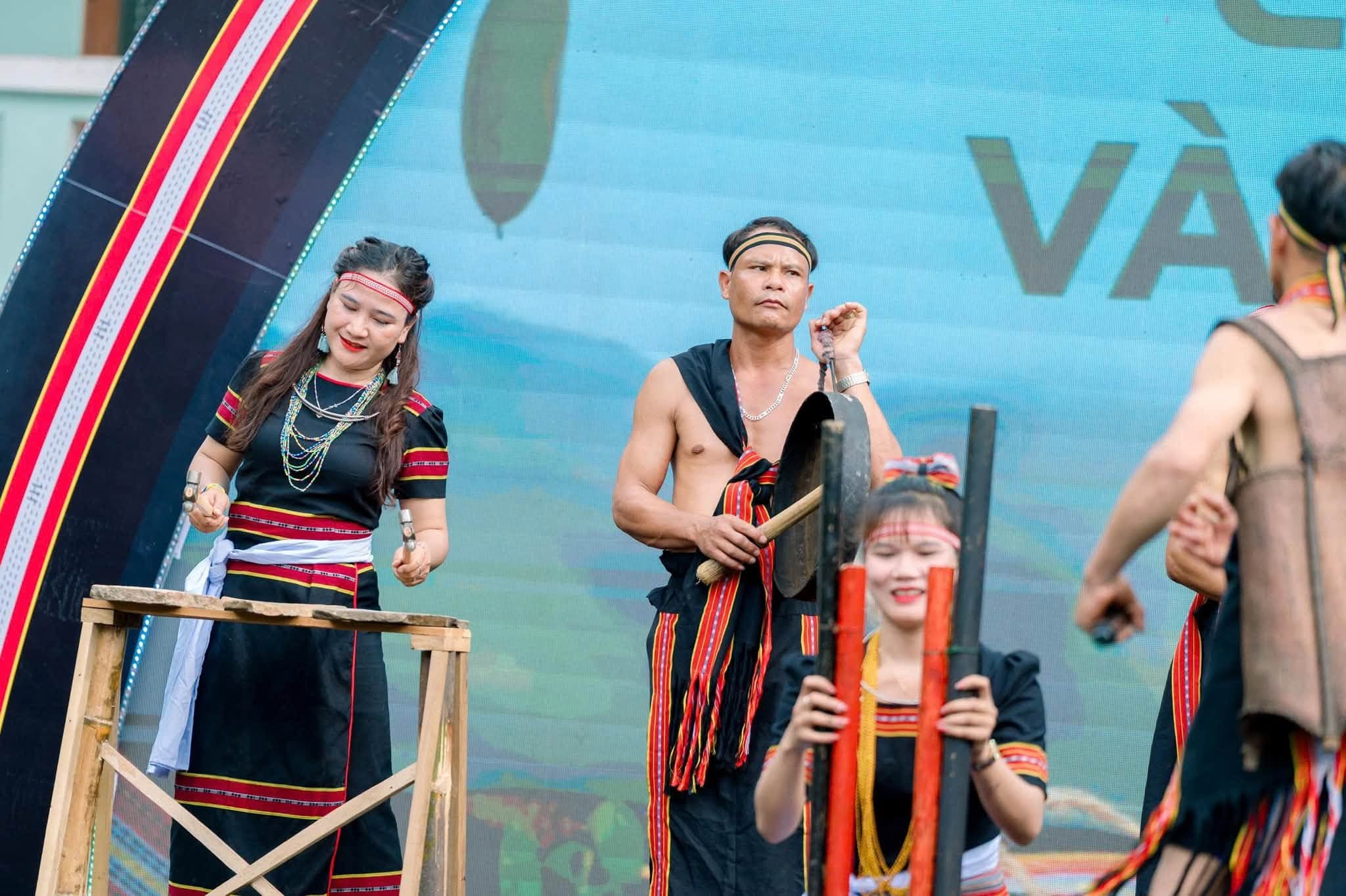
Trà Leng is home to the Ca Dong, Xơ Đăng and Mơ Nông peoples, who make up around 98% of the population. You are not entering a tourist zone, you are entering someone's home. A few simple principles will make your visit welcome:
Ask before photographing people, especially elders and children. Asking permission is always worth more than a good picture.
Do not walk into a house, an altar area or a ritual space unless you are invited.
Carry your rubbish back down the mountain. There is no collection system up here like there is in the lowlands.
If you want to give something, ask people in the village what is genuinely needed rather than handing out sweets to children along the road.
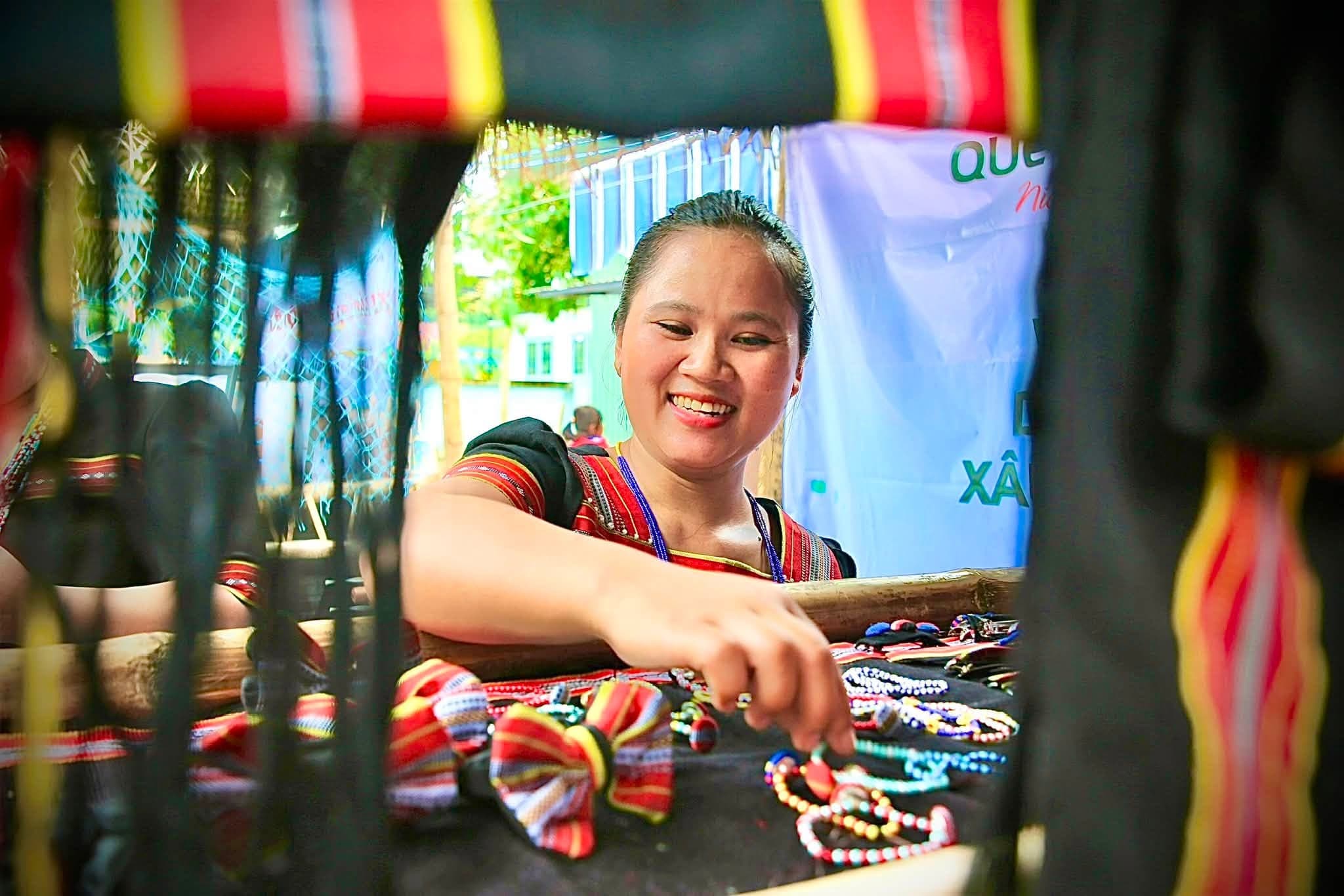
Buy local produce directly from the households: a packet of cinnamon, a piece of brocade, a jar of honey — that is how a visitor leaves real value behind.
And what you will remember
Most people who have been to Trà Leng recall one small detail: the smell of cinnamon in the early morning air, the stream running all night beside the house wall, or the faint lights of a village seen from a bend high above. This place does not overwhelm you at once. It seeps in, and usually it is only after coming back down the mountain that people find they want to return.