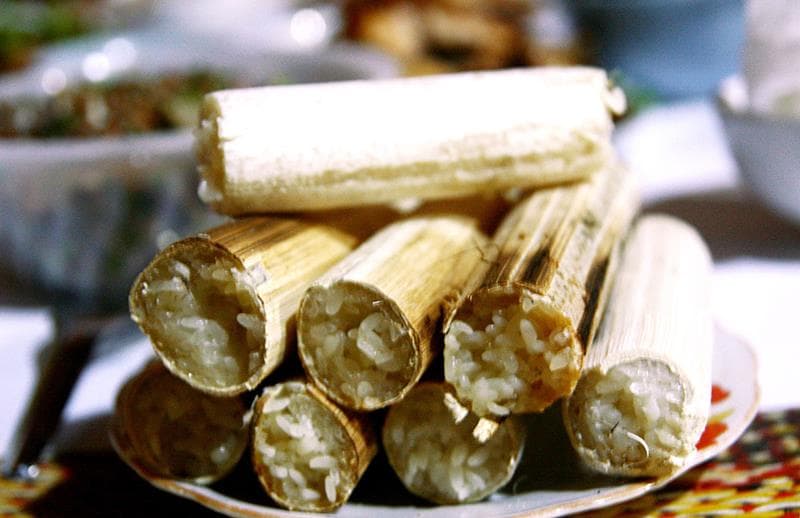
Bamboo tube rice has long been a familiar dish in the daily lives of the Ca Dong, Xơ Đăng, and Mơ Nông ethnic groups. For many tourists, the image of bamboo tubes grilled by the fire always evokes the rustic beauty of the highlands. However, few know that this method of cooking rice does not stem from culinary sophistication but was formed by the living conditions of the people over many generations.
Each bamboo tube rice is the crystallization of indigenous knowledge, the ability to adapt to the mountains and forests, and the spirit of appreciating what nature bestows. To this day, this dish is preserved as a part of Trà Leng's memory.
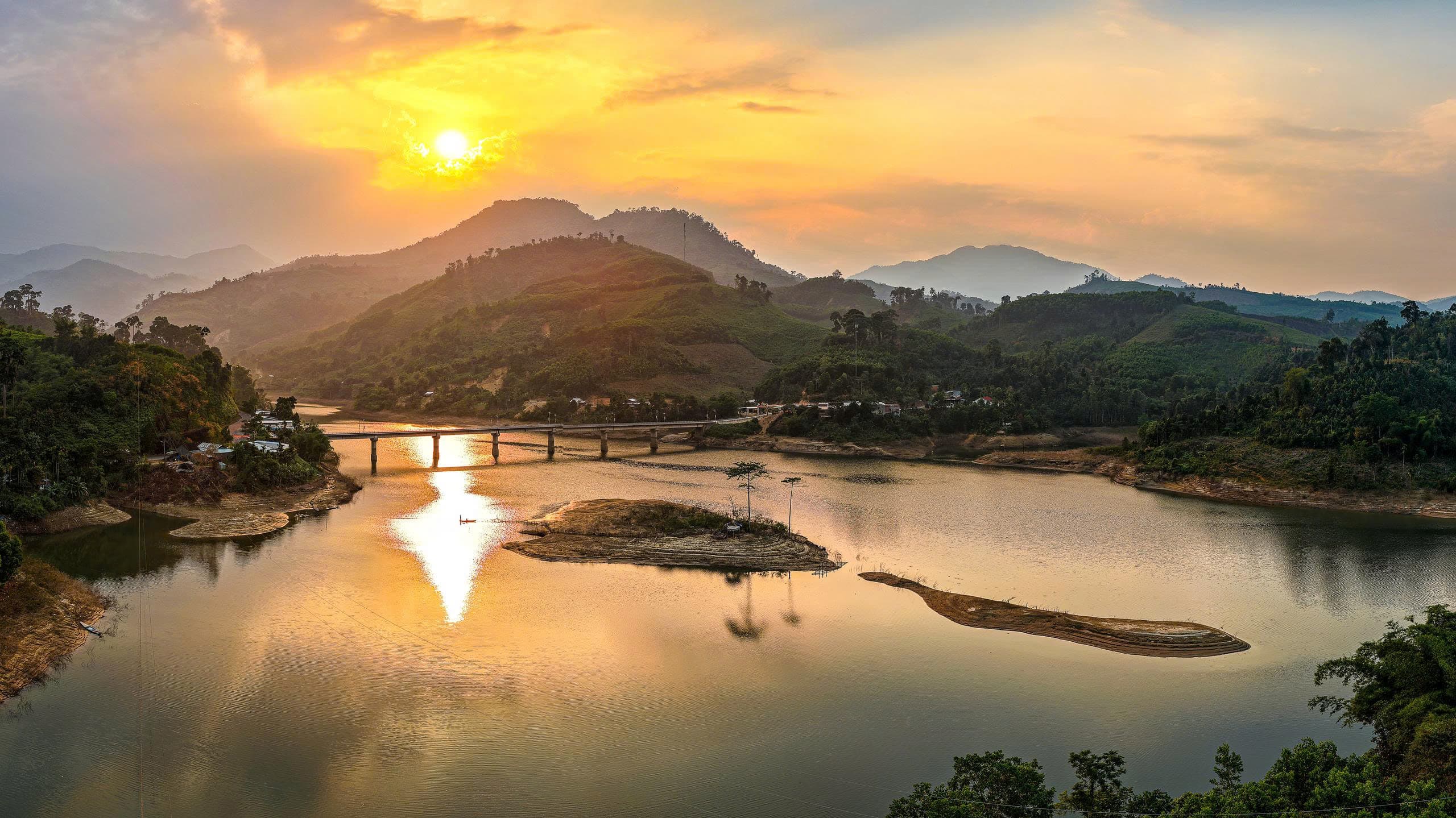
A special way of cooking rice formed from a life connected with mountains and forests
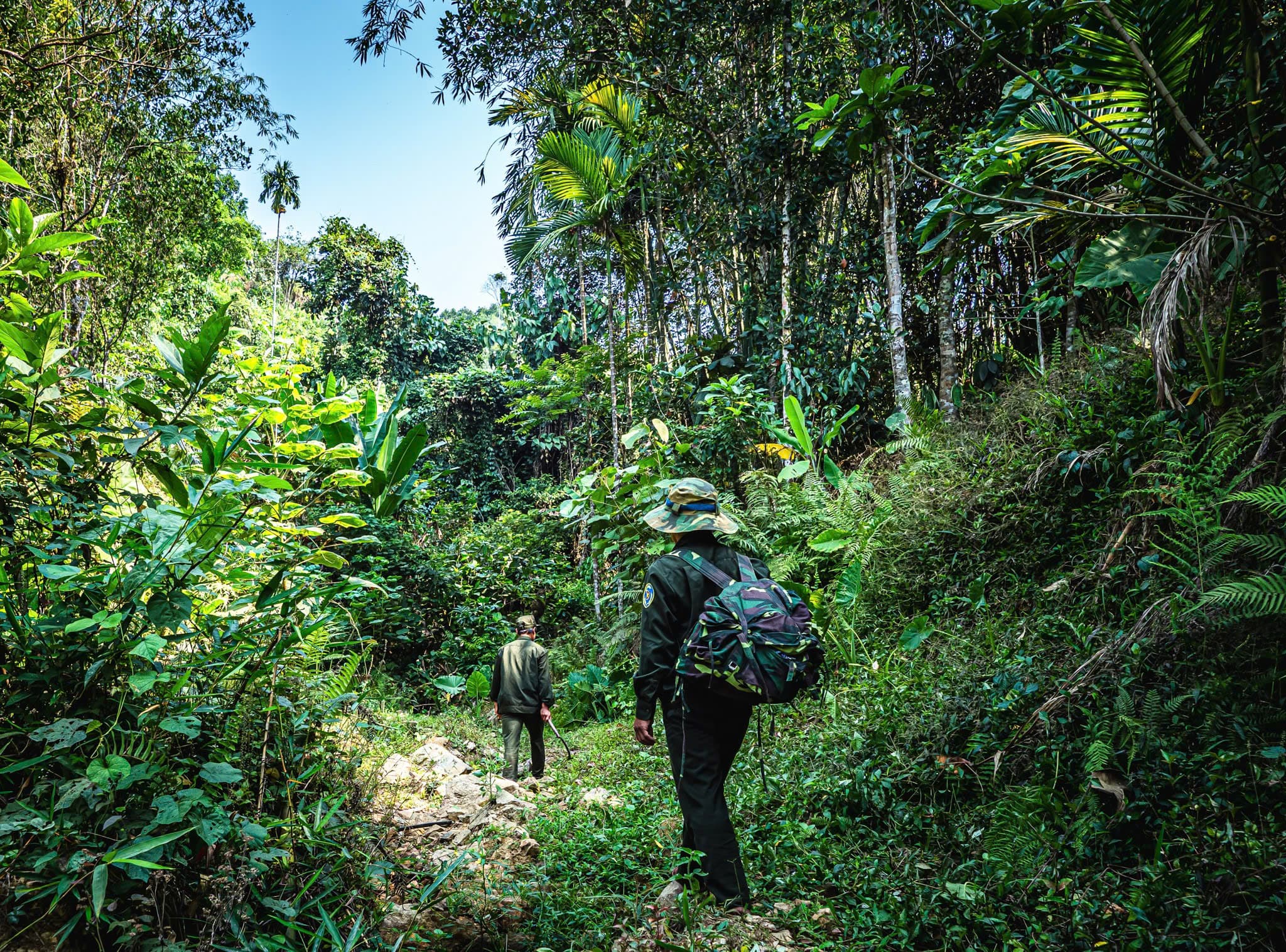
Previously, the lives of the highland people in Trà Leng were mainly associated with swidden fields and forests. Every production season, people often had to go to the fields early in the morning, sometimes staying for many days to care for crops or harvest. Difficult travel conditions made it inconvenient to carry many cooking utensils.
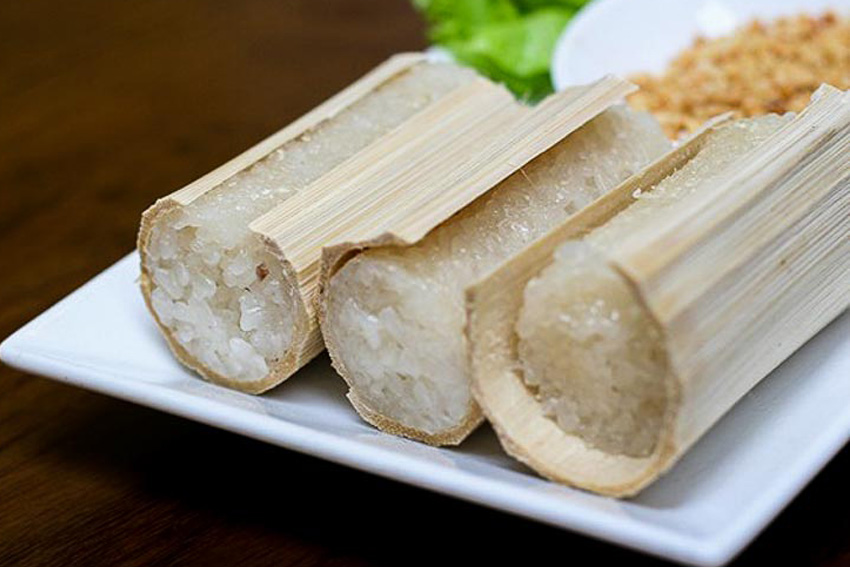
Photo: Collected
In that environment, people utilized readily available materials in the forest for daily life. Young bamboo tubes, or lồ ô (a type of bamboo), became natural "pots" for cooking rice. Rice was washed clean, placed into the tube with enough water, sealed with forest leaves, and then placed next to hot coals. After a while, the rice was cooked, soft, fragrant, and infused with the scent of young bamboo.
This cooking method provided foresters and field workers with a simple, convenient meal suitable for living conditions in nature. Over time, bamboo tube rice became a familiar part of the lives of Trà Leng people and has been passed down through many generations.
Bamboo tubes help preserve the full flavor of rice grains
The specialness of bamboo tube rice lies in the way the rice grains are cooked. When grilled in a bamboo tube, the heat from the hot coals gradually transfers inwards, allowing the rice to cook slowly and retain its natural chewiness. During this process, the aroma of young bamboo also subtly infuses each grain of rice, creating a unique flavor that conventional cooking methods can hardly replicate.
To make a delicious bamboo tube rice, the cook must choose bamboo tubes of the right age, fresh, and with walls thick enough to withstand the heat of the fire. The amount of water is also balanced appropriately so that the rice cooks evenly, neither too dry nor too mushy. These experiences are passed down from generation to generation and become part of the indigenous knowledge of the highland people.
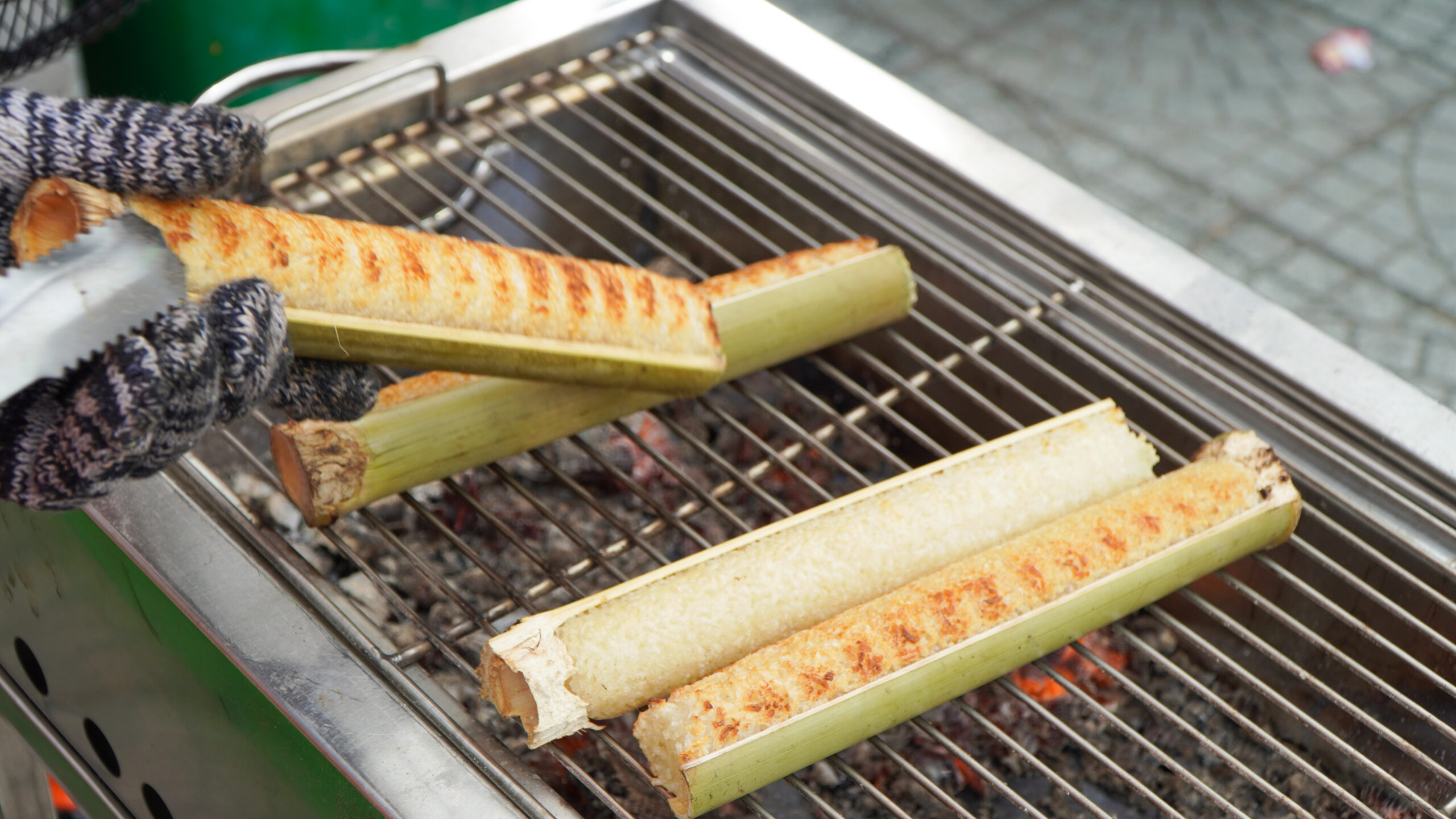
Photo: Collected
Today, bamboo tube rice is often served with grilled dishes, sesame salt, or traditional local foods. This combination creates a simple yet rich flavor, carrying the essence of the Trà Leng mountains and forests.
Bamboo tube rice is a part of Trà Leng's cultural life
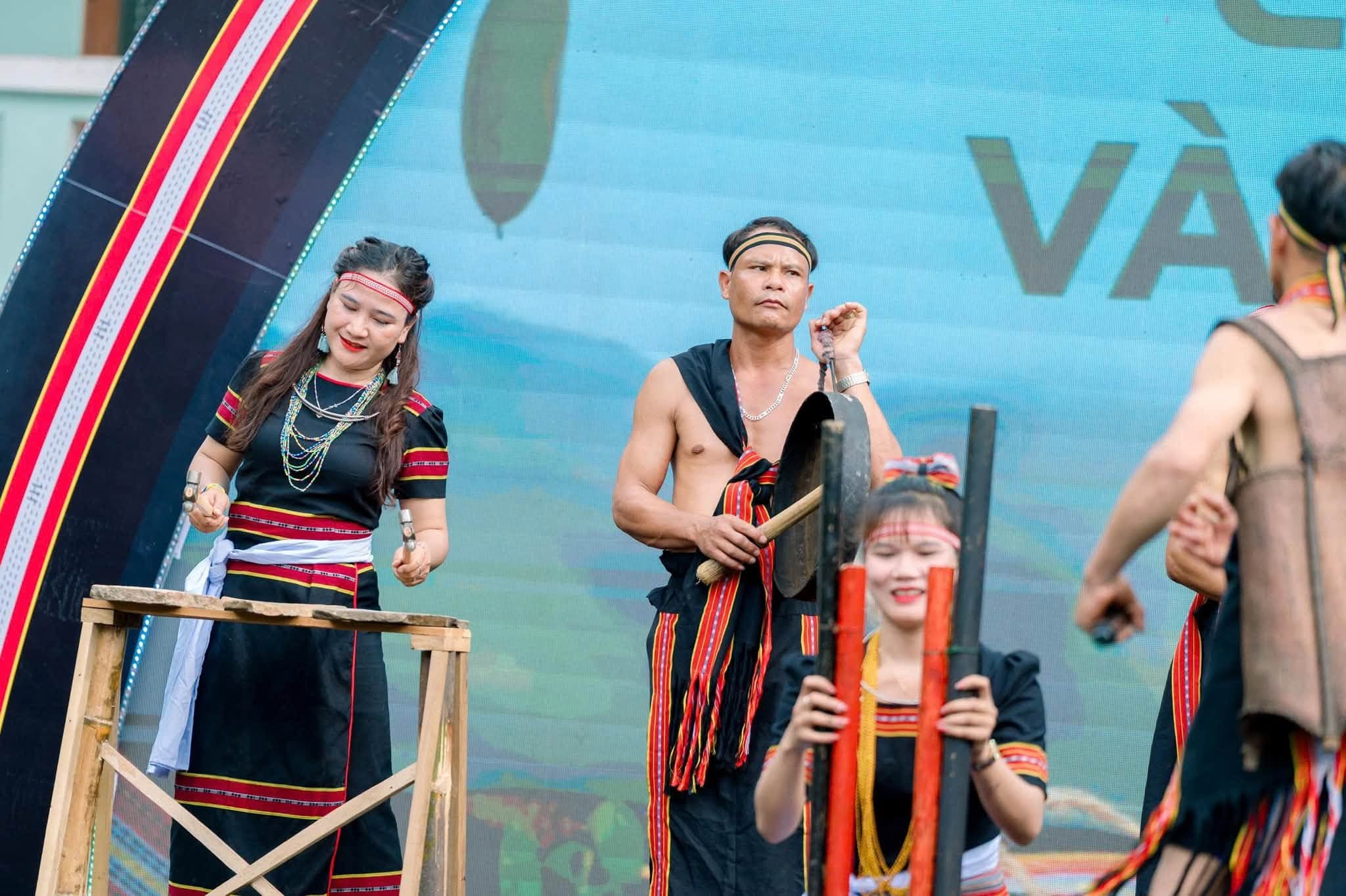
Over time, bamboo tube rice has transcended the meaning of an everyday dish to become an image associated with highland culture. On many festive occasions, community events, or activities welcoming tourists, bamboo tube rice is always present as a way to introduce the culinary beauty of Trà Leng.
Each bamboo tube rice evokes memories of the diligent labor of ancestors, of forest trips, swidden farming seasons, and nights gathered around the fire. It is also a story about human adaptation to nature, about how the people utilized what the mountains and forests provided to build their lives.
For many Trà Leng people, preserving bamboo tube rice is also preserving a part of their homeland's memory. When tourists enjoy bamboo tube rice today, they not only taste the flavor of rice and young bamboo but also learn more about the lifestyle, customs, and cultural values that have been nurtured over many generations in this vast land.