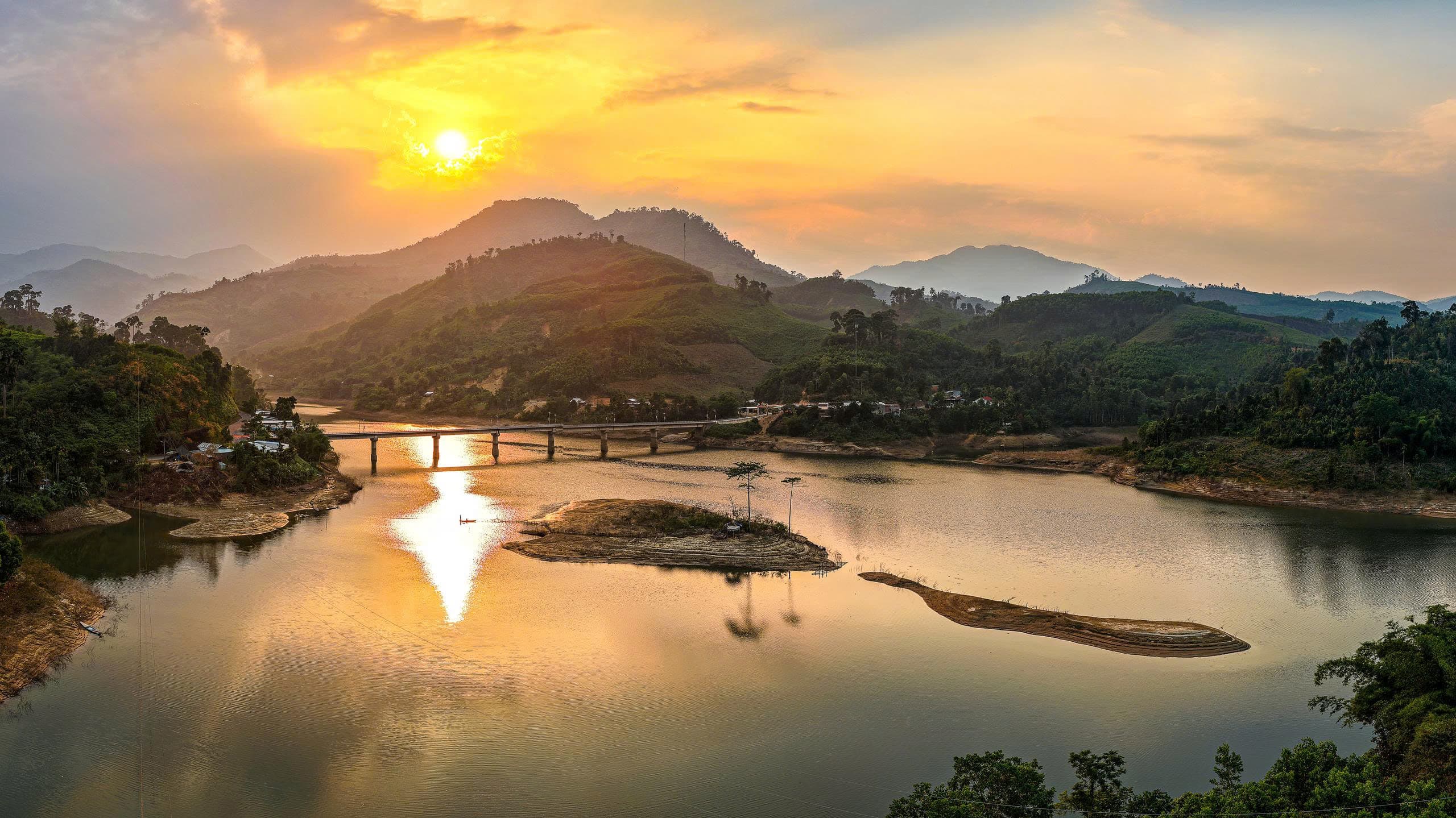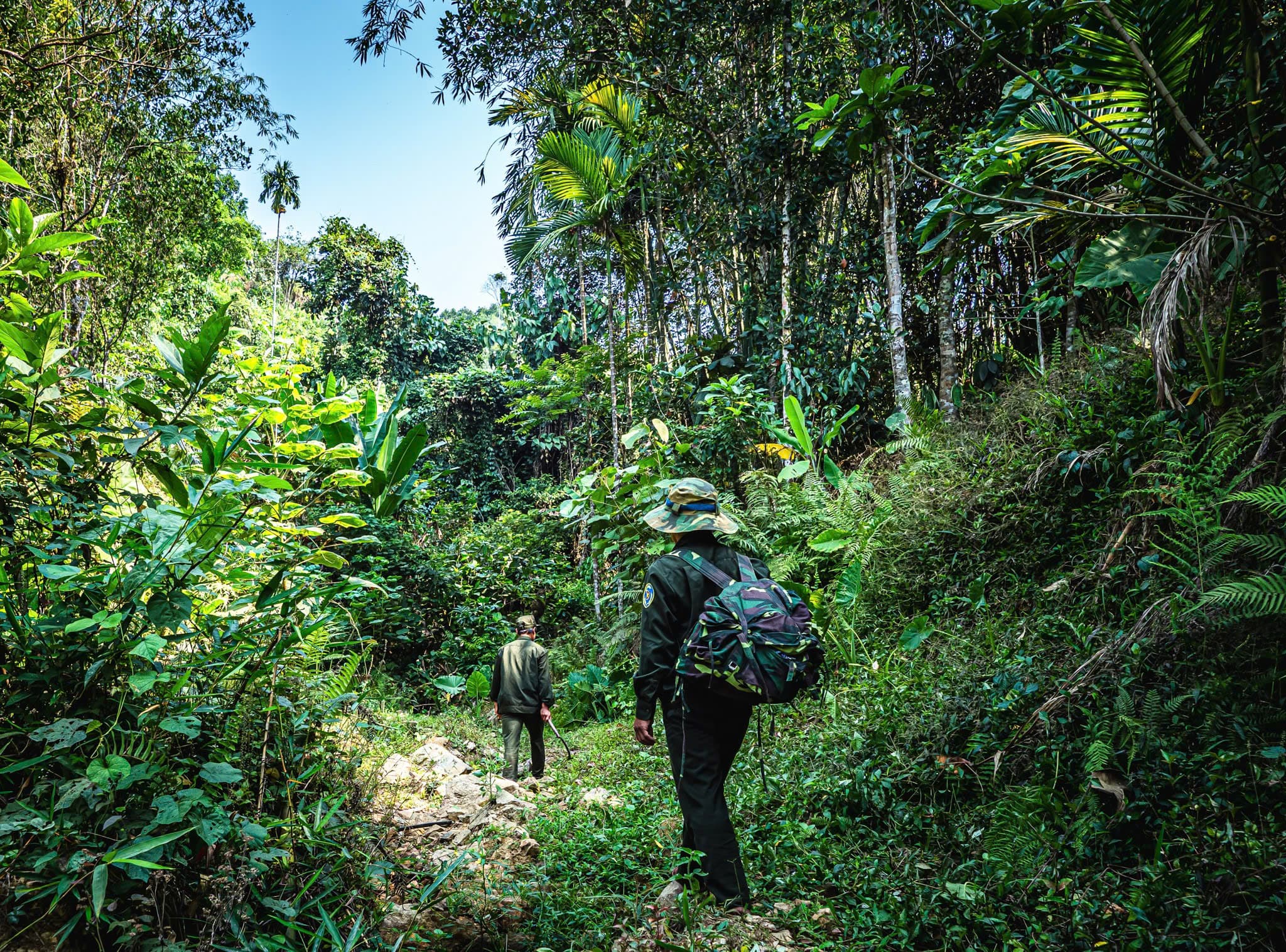
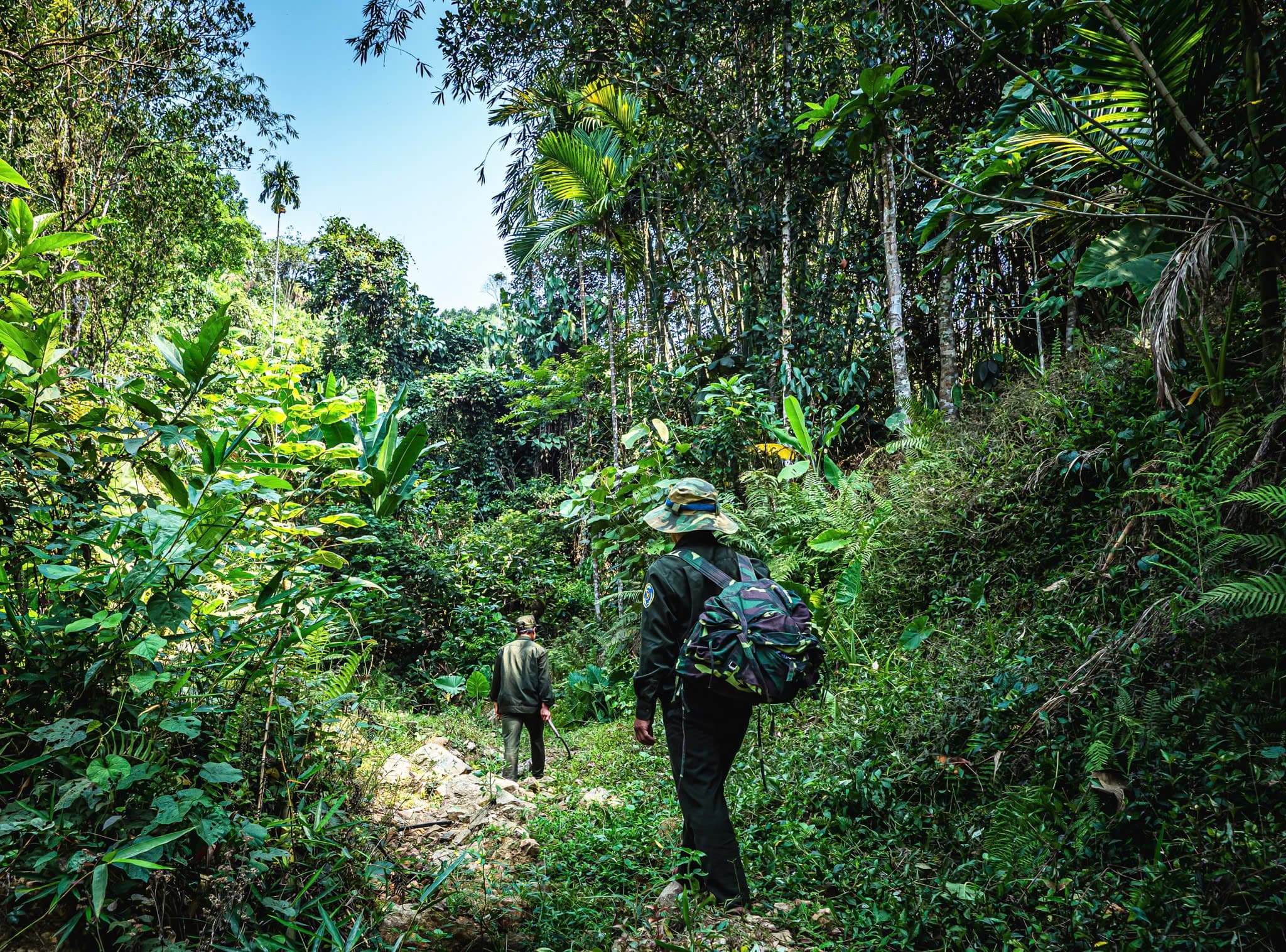
Mention Trà Leng, and many will immediately think of the vast green forests stretching across the mountain slopes, the origin of Quế Trà Leng, Sâm Ngọc Linh, and many precious medicinal herbs. For the local people, the forest has never been just a part of the natural landscape. The forest is present in every way of life, every production season, and in the cultural values preserved through many generations.
Through many changes over time, the forest remains a shelter for people, nurturing livelihoods and preserving the identity of the Ca Dong, Xơ Đăng, and Mơ Nông ethnic communities living in this land. Therefore, the people of Trà Leng always consider the forest the lifeblood of their homeland.
Forests Nurture Life and Livelihoods of the People
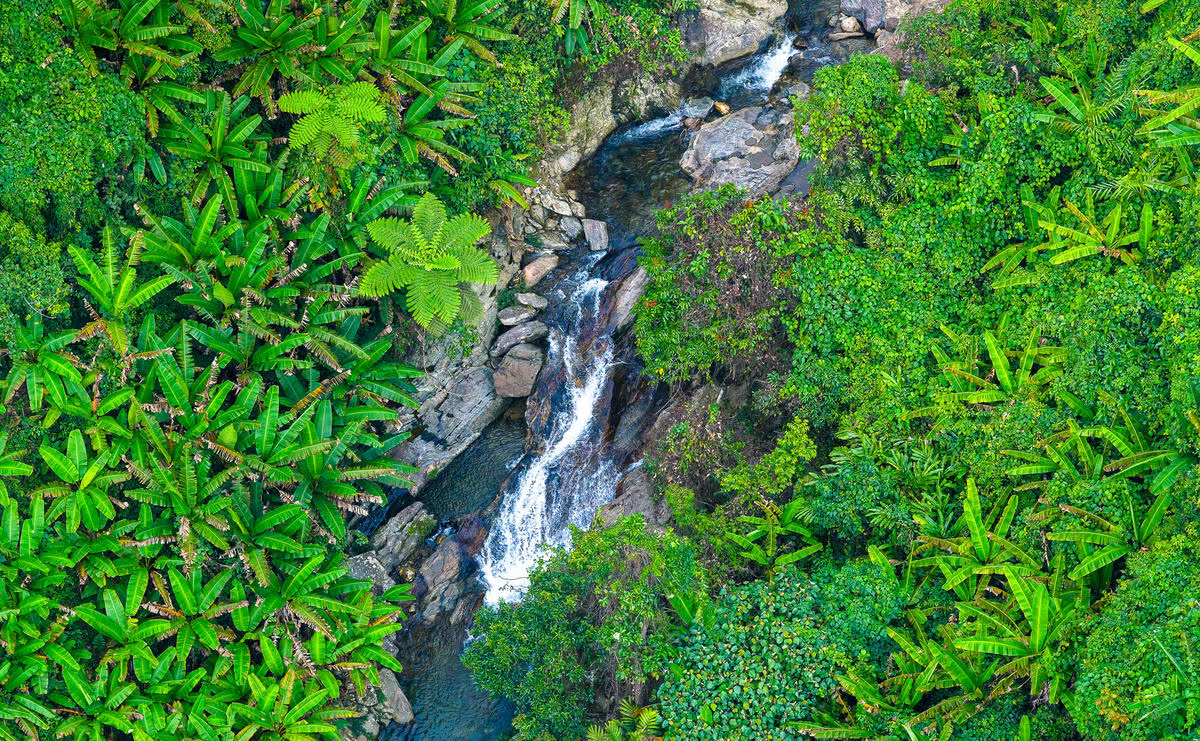
The natural conditions of Trà Leng are closely linked to the forest ecosystem. The upstream forests play an important role in protecting water sources, regulating climate, and limiting soil erosion in mountainous areas. Thanks to the forest, many streams still maintain water sources for daily life and production of the people.
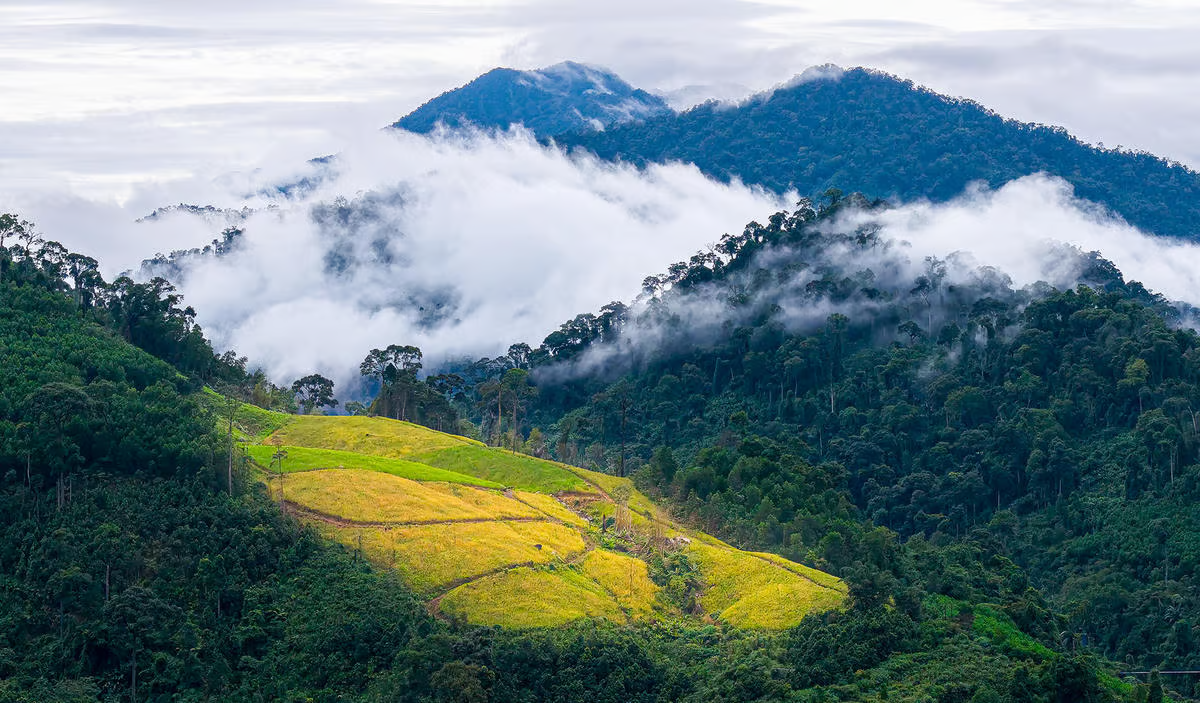
For a long time, the forest has also been a source of many valuable resources. Cinnamon trees thrive under the specific soil and climate conditions of the Trà Leng mountains, creating a unique aroma and quality. Under the natural forest canopy, Sâm Ngọc Linh and many other medicinal herbs grow in a suitable environment, becoming products of high economic value.
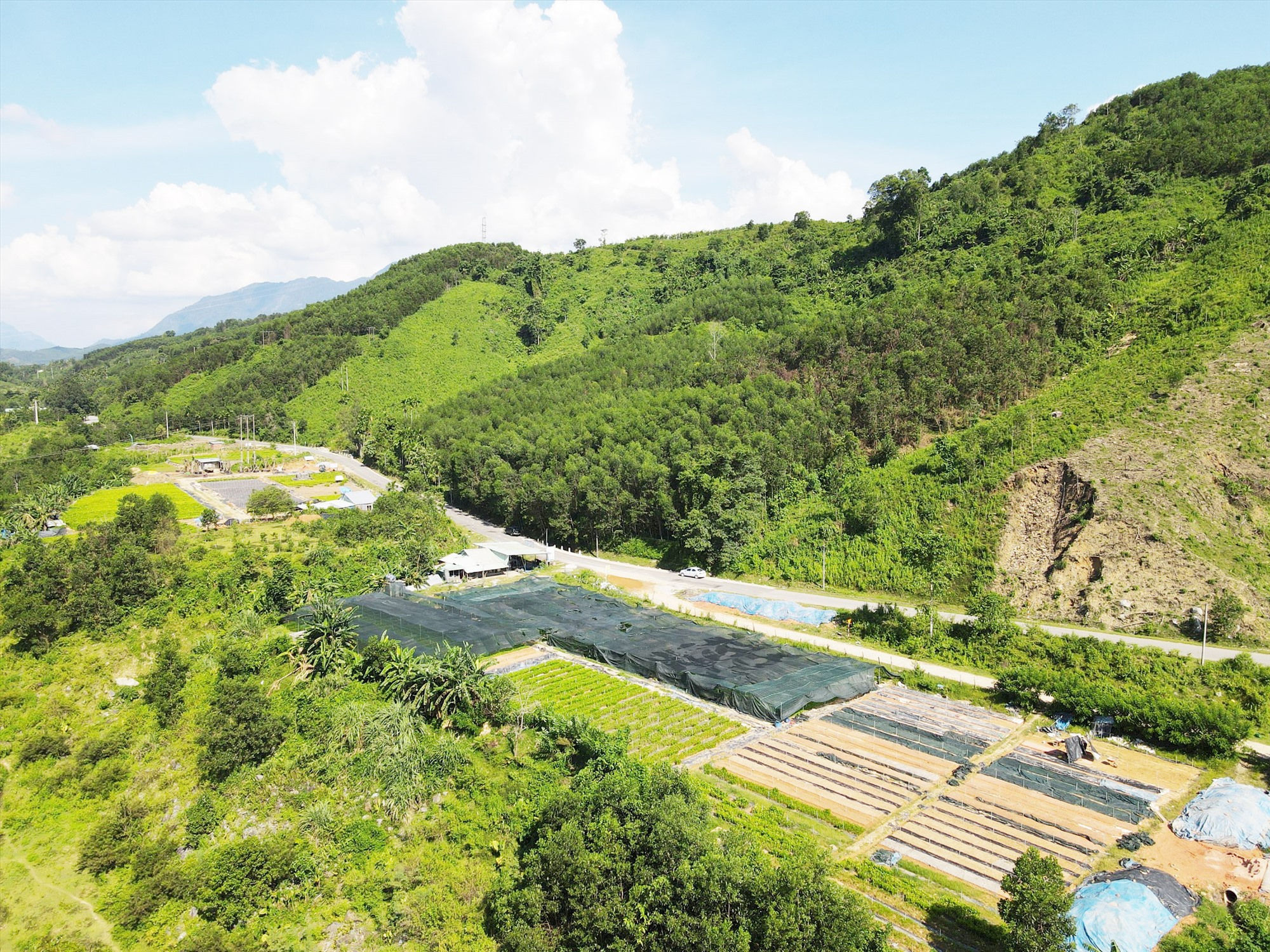
In addition to cinnamon and medicinal herbs, the forest also provides many other products such as honey, bamboo shoots, mushrooms, and various non-timber forest products. These resources contribute to creating livelihoods for many households, while helping people maintain a life closely connected to nature.
Forests Preserve the Cultural Values of Trà Leng
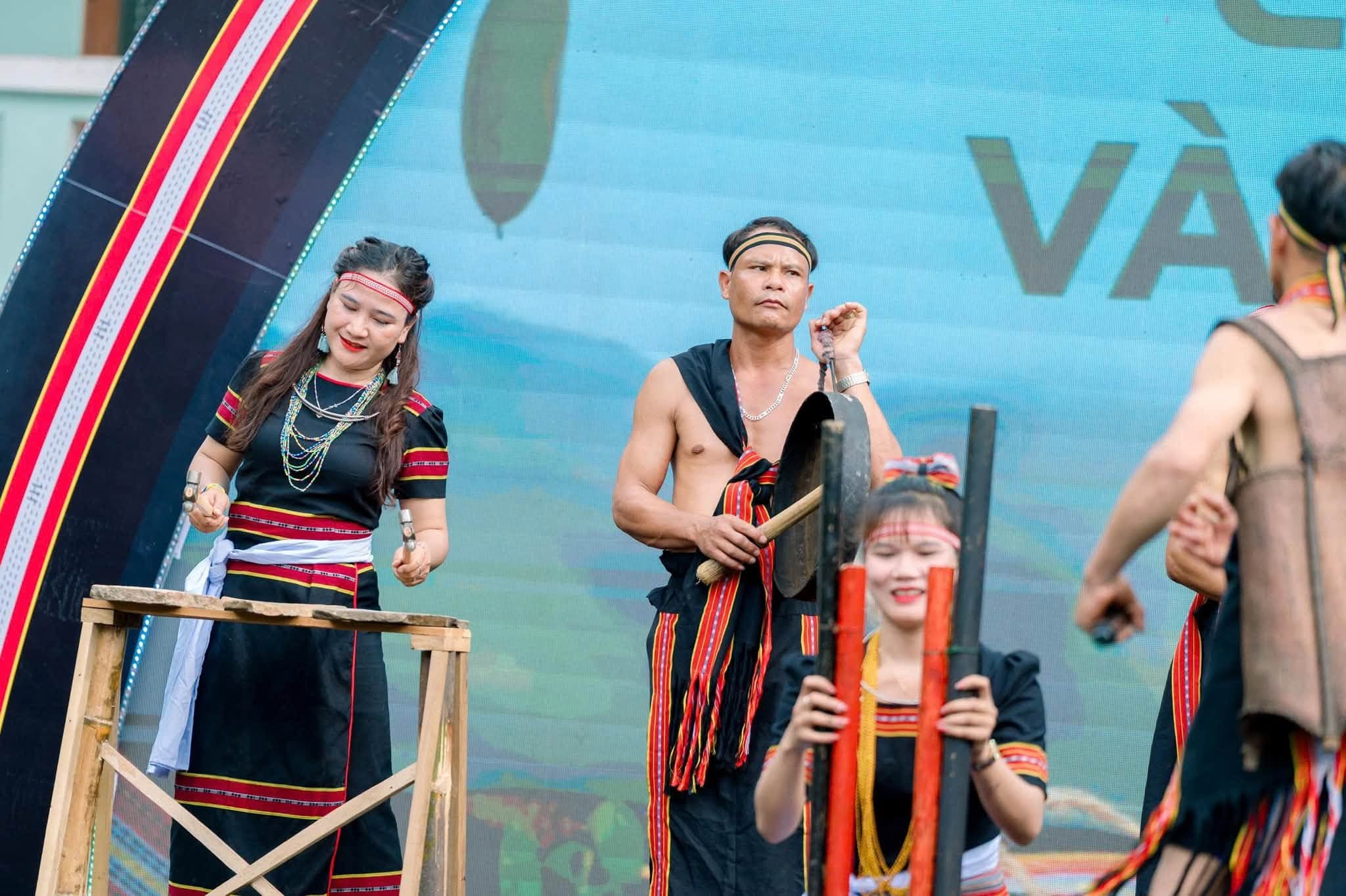
For the highland people, the forest also carries deep spiritual significance. Many traditional customs, practices, and festivals are formed from the close relationship between humans and the mountains and forests.
The sound of gongs echoing through the vast forest, stories told by the fire, weaving, brocade weaving, or traditional dishes all bear the imprint of the mountainous forest environment. Even many materials for daily life such as bamboo, rattan, and various forest leaves are closely associated with the lives of the people.
For many families, the cinnamon forests established by their ancestors many years ago are also assets passed down to their children and grandchildren. Each harvest season is an opportunity for generations to care for, preserve, and continue the values cultivated over time.
The forest thus becomes a connecting thread between the past and the present, between humans and nature, and between generations in the community.
Protecting Forests is Protecting the Future of Trà Leng
In recent years, along with the orientation of green economic development and ecotourism, the role of forests in Trà Leng has been further affirmed. The development of cinnamon raw material areas, the conservation of Sâm Ngọc Linh genetic resources, the creation of OCOP products, and the development of experiential tourism are all closely linked to the task of preserving the forest ecosystem.
Local people are increasingly aware that when forests are protected, water sources will be preserved, land will be protected, and the precious products of the mountains and forests will have the conditions for sustainable development. This is also the foundation for increasing income, improving livelihoods, and opening up many development opportunities for the community.
In local development programs, forest protection is always considered a long-term task. It is not only a responsibility towards the environment but also a way to preserve the cultural values, livelihoods, and identity of Trà Leng for future generations.
Forests have accompanied the people of Trà Leng for many generations and continue to play an important role in today's development journey. Every preserved forest is a protected part of the future, so that the vast land remains green and continues to tell the story of the Trà Leng people through the enduring vitality of nature.