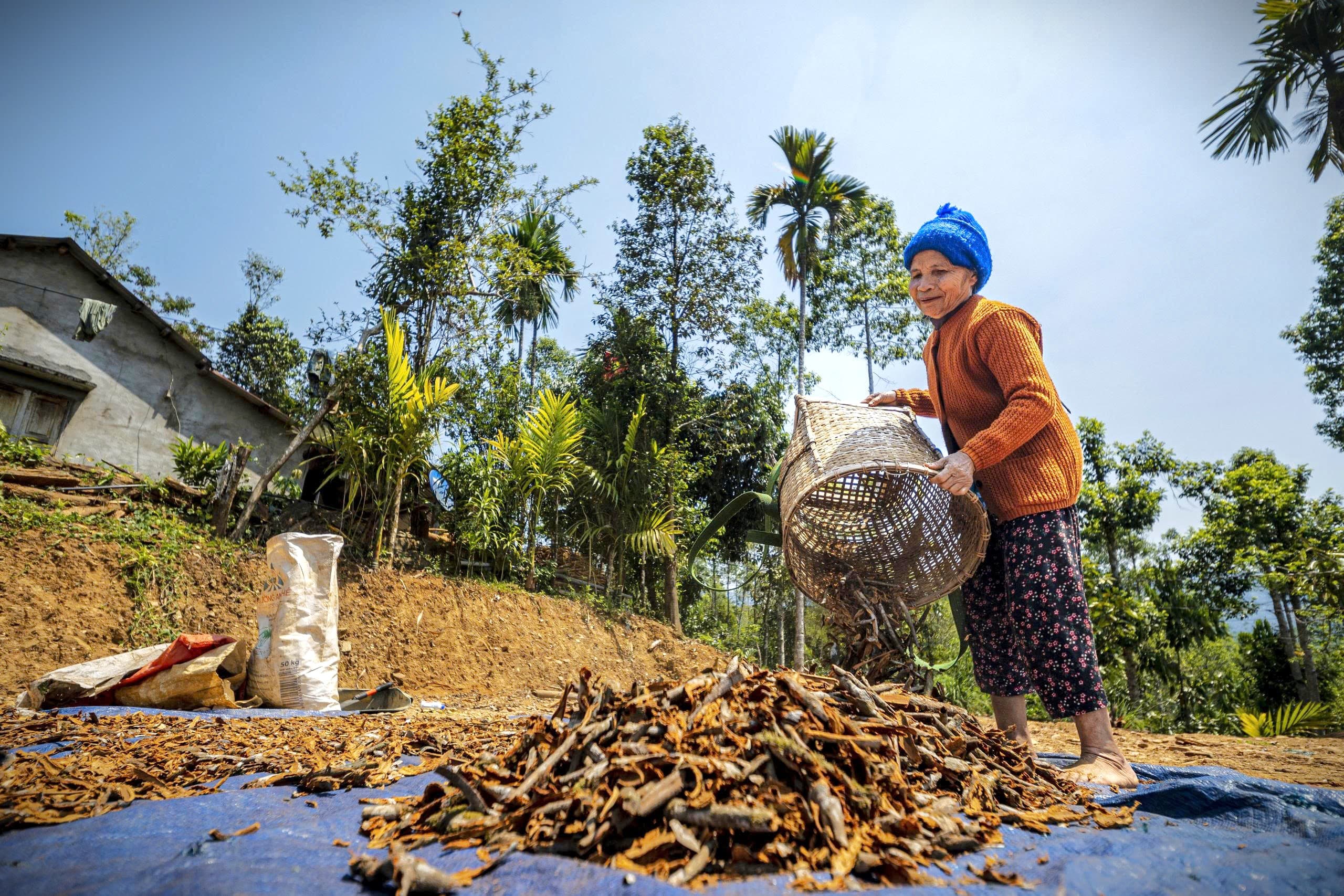
Amidst the vast green forests of Tra Leng, the cinnamon tree has long been an indispensable part of the local people's lives. Not only does it provide a crucial source of income, but cinnamon is also intertwined with the memories, customs, and livelihoods of many generations of ethnic minorities in the highlands.
From experiences passed down through the stories of ancestors to the expanding cinnamon forests of today, cinnamon cultivation in Trà Leng is a story of the enduring bond between people and the mountains and forests.
From Ancestral Cinnamon Forests to a Precious Asset for Many Generations
In Tra Leng, the cinnamon tree did not appear as a new crop but has been present in the lives of the people for a very long time. Many families own cinnamon forests that have been established over generations, from grandparents to parents, and continue to be cared for and developed by their children and grandchildren. Each growing cinnamon tree is associated with stories of labor, perseverance, and faith in the future.
Unlike short-term crops that yield quick harvests, cinnamon requires many years to grow. Farmers must invest effort over a long period before reaping the rewards. Therefore, cinnamon cultivation always carries the meaning of long-term accumulation. Cinnamon forests are not only a source of income but are also considered an asset to be passed down to future generations.
In the minds of many local people, preserving the cinnamon forest also means preserving the fruits of their ancestors' labor. Therefore, each new planting season or every time the cinnamon forest is cared for reflects the current generation's responsibility towards the values cultivated many years ago.
Cinnamon Cultivation Passed Down Through Experience and Indigenous Knowledge
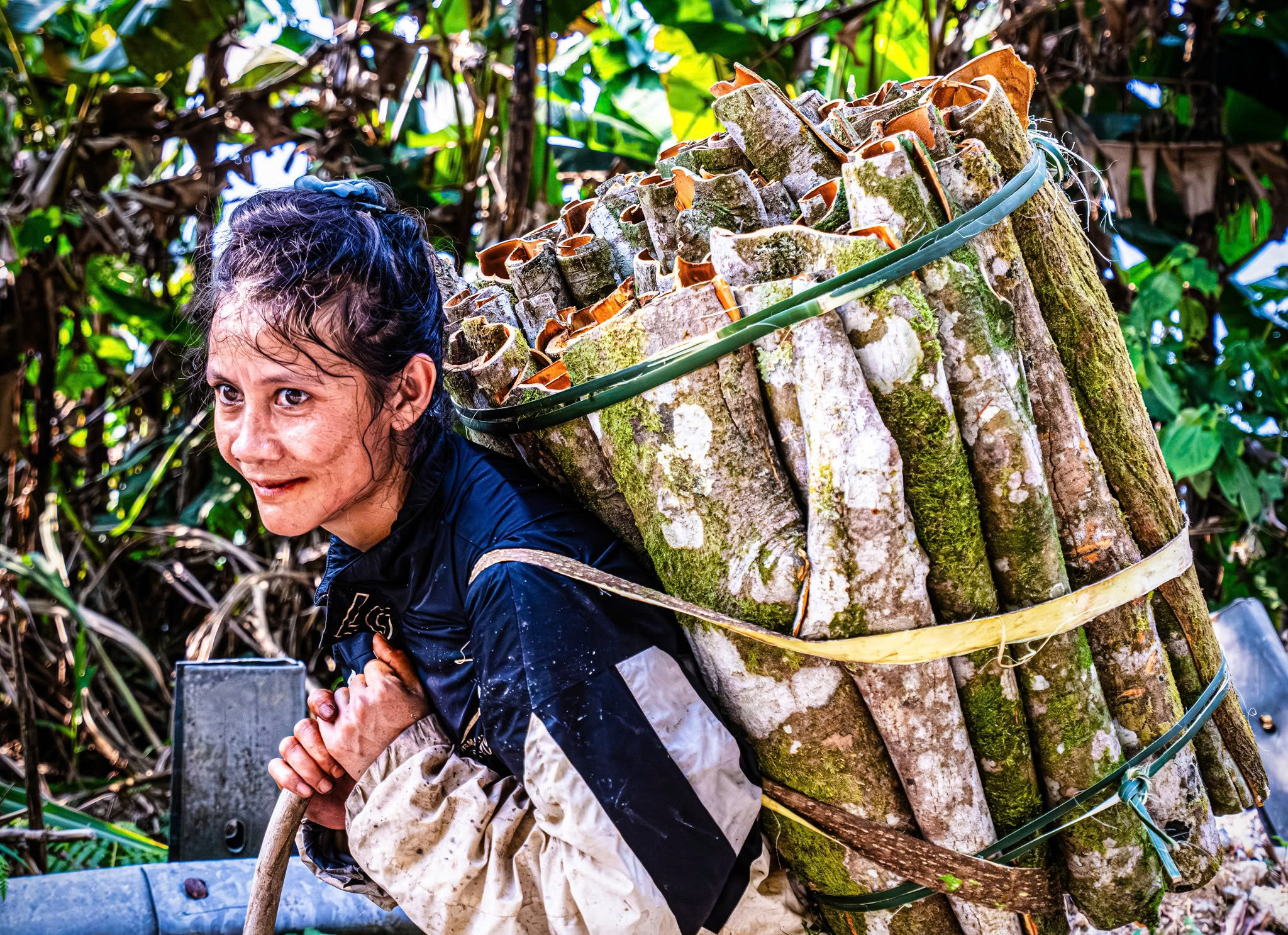
One of the unique features of cinnamon cultivation in Tra Leng is the natural process of knowledge transfer within the community. Young people do not learn the trade from books but from going into the forest with their parents and grandparents. From choosing land, identifying healthy seedlings, to techniques for caring for and protecting the cinnamon forest, everything is passed down through practical experience.
Local people have accumulated valuable knowledge about the natural conditions of the highlands. They understand which times are suitable for planting, how to clear land to limit pests and diseases, and methods of care that help trees thrive in Tra Leng's characteristic climate. These experiences have been accumulated over many years of labor and have become an important body of knowledge for the community.
The process of knowledge transfer not only helps maintain cultivation techniques but also contributes to fostering a sense of attachment to the forest. Through daily labor, the younger generation understands the value of the cinnamon tree, the hardship of the growers, and the responsibility to continue the family's traditional trade.
Cinnamon Trees Open Up Sustainable Economic Development for the Highlands of Tra Leng
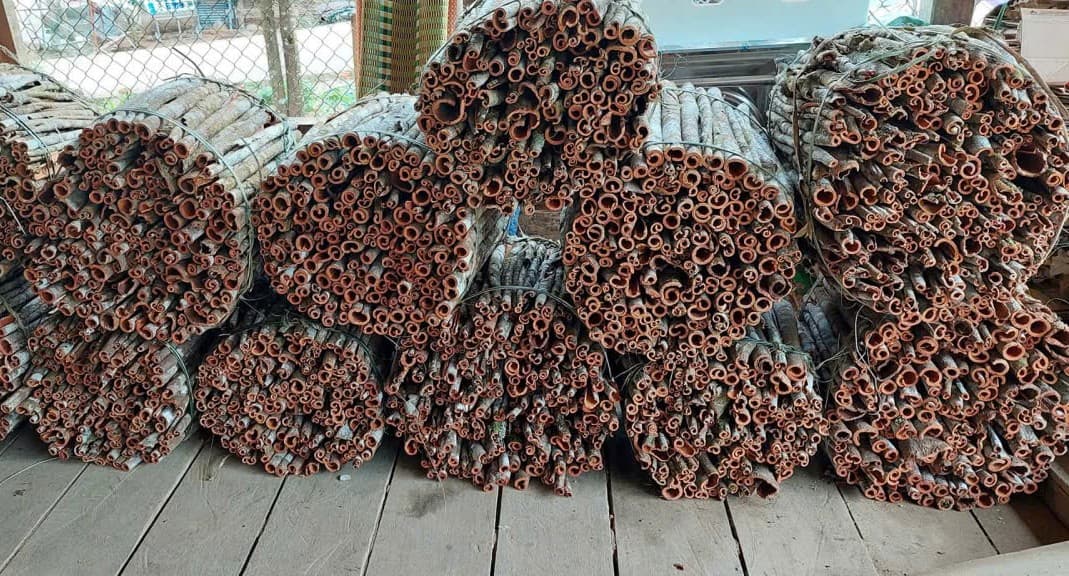
In recent years, the cinnamon tree has increasingly affirmed its important role in local economic development. Not only does it provide income from cinnamon bark, but people also utilize leaves, branches, and by-products to process into many valuable products such as cinnamon essential oil, cinnamon incense, and characteristic products serving markets within and outside the province.
The expansion of cinnamon raw material areas has created more jobs for local people, contributing to increasing income and improving the lives of many households. Especially, as the value of the cinnamon tree is enhanced through deep processing, people are no longer entirely dependent on selling raw materials but have more opportunities to participate in the product value chain.
In addition to economic benefits, the cinnamon tree also contributes to environmental protection. Cinnamon forests help green barren land, limit erosion, and conserve water sources for the mountainous region. When livelihoods are linked to the forest, people have more motivation to protect natural resources and develop the economy sustainably.

When Cinnamon Becomes a Sustainable Livelihood for Highland People
In recent years, along with market development and local economic development support programs, the cinnamon tree has increasingly affirmed its important role in the lives of Tra Leng people.
Not only does it provide income from cinnamon bark, but people can also harvest cinnamon leaves, cinnamon branches, and develop processed products such as cinnamon essential oil, cinnamon incense, or OCOP products from cinnamon. This contributes to enhancing economic value and creating more development opportunities for the local community.
More importantly, the development of cinnamon raw material areas also helps people bond with the forest, limiting unsustainable resource exploitation. When cinnamon brings stable income, people have more motivation to protect and develop their forests.