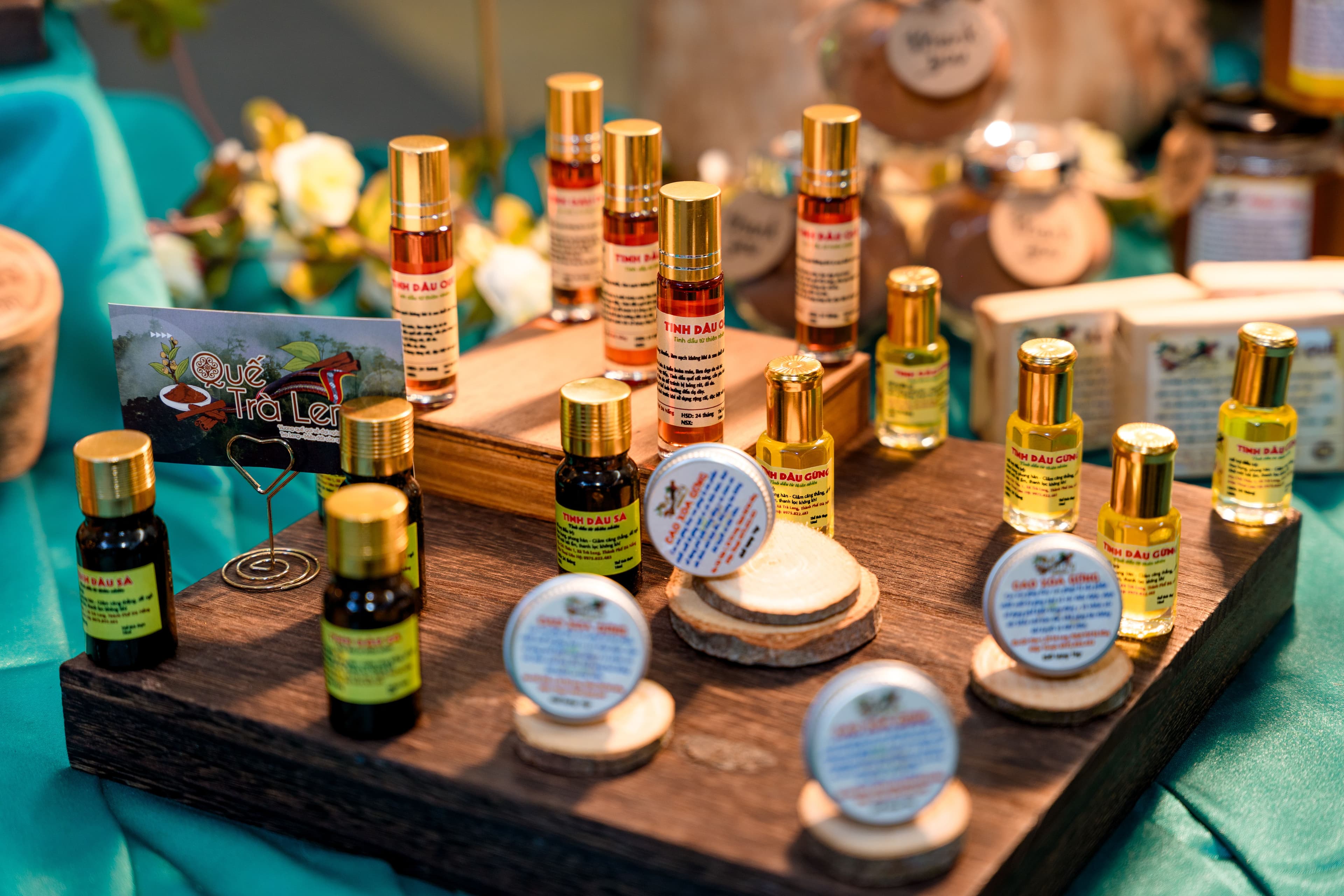
Cây quế từ lâu đã gắn bó với đời sống và sinh kế của người dân Trà Leng. Qua nhiều thế hệ, những cánh rừng quế trên sườn núi trở thành nguồn thu nhập quan trọng, đồng thời lưu giữ tri thức canh tác và kinh nghiệm sản xuất của đồng bào địa phương. Trong bối cảnh phát triển nông nghiệp theo hướng nâng cao giá trị gia tăng, việc tận dụng nguyên liệu sau thu hoạch để chế biến tinh dầu đang mở ra hướng đi đáng quan tâm cho ngành quế.
From the fragrant cinnamon bark to the leaves, branches, and usable by-products, every part of the tree has the potential to create economic value. If appropriate technology is invested, production is well-organized, and markets are effectively connected, Quế Trà Leng will have more opportunities to develop from traditional raw materials into higher-value products.
Quế Trà Leng - an advantage from the indigenous raw material area
Cinnamon is one of the products with a long history of association with ethnic communities in the Trà My mountainous region. According to information from the Intellectual Property Office, on October 13, 2011, Trà My bark cinnamon product was granted Geographical Indication Registration Certificate No. 00029. The protected geographical area at that time included Trà Leng and Trà Dơn communes in Nam Trà My district and Trà Giáp and Trà Giác communes in Bắc Trà My district, Quảng Nam province previously.
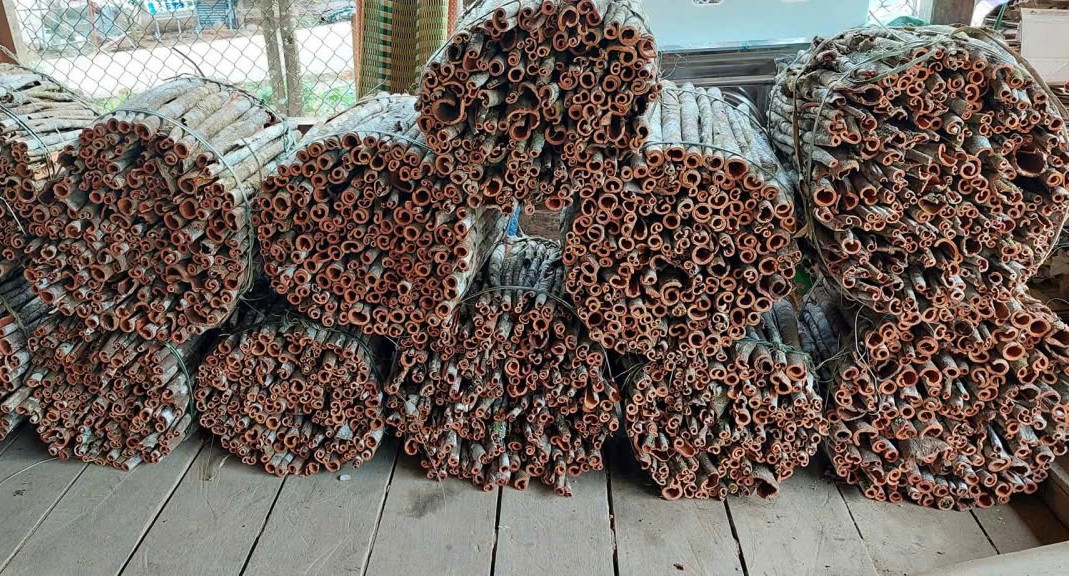
The geographical indication dossier records that Trà My cinnamon has a characteristic spicy, pungent flavor and a remarkable essential oil content. Specifically, the essential oil content is recorded at 8.93 - 10.91% by volume/mass for bark and 8.30–10.26% for branch bark; the cinnamaldehyde content in the essential oil is also high according to the criteria published in the dossier. These are technical data for Trà My cinnamon products from the protected area, not specific test results for each batch of cinnamon in Trà Leng today.
On a broader scale, information published by the government in July 2024 indicated that the cinnamon cultivation area of Quảng Nam province (old) at that time was estimated at 5,993 hectares. This is provincial-level data, reflecting the scale of the raw material area in the period before administrative boundary changes, not the specific area of Trà Leng commune.
These data show that cinnamon is a valuable raw material for the region. Improving the quality of preliminary processing, diversifying products, and developing deep processing are directions that need attention to increase value for cinnamon growers.
From cinnamon bark to essential oil - increasing value through processing
Cinnamon essential oil can be produced from the essential oil-containing parts of the tree, including cinnamon bark, leaves, and branches. Depending on the type of raw material and product requirements, processing facilities choose an appropriate process, with steam distillation being common. In this process, steam carries volatile compounds from the raw material; the mixture is then cooled to collect the condensate and separate the essential oil.
To create quality products, raw materials need to be selected, classified, and properly treated before distillation. Factors such as moisture content, raw material size, distillation time, equipment, and storage conditions can all affect the yield and characteristics of the essential oil. Therefore, to develop stable products, production facilities need clear technical procedures and quality control according to applicable standards.
Developing essential oil linked to the Quế Trà Leng value chain
For essential oil to truly become a commercially valuable product, the development process needs to go beyond distillation. From the cultivation area to the processing facility, quality control, packaging, brand building, and distribution need to be connected into a relatively complete chain. §15§15 First, the locality can survey the quantity of cinnamon bark, leaves, and branches that can be supplied seasonally; and at the same time, assess the need to invest in distillation equipment of appropriate scale. Organizing linkages between cinnamon growers, cooperatives, and processing units will help ensure raw material supply, limit small-scale production, and facilitate more uniform quality control.
Trước hết, địa phương có thể khảo sát lượng vỏ, lá và cành quế có khả năng cung ứng theo mùa; đồng thời đánh giá nhu cầu đầu tư thiết bị chưng cất quy mô phù hợp. Việc tổ chức liên kết giữa hộ trồng quế, tổ hợp tác, hợp tác xã và đơn vị chế biến sẽ giúp chủ động nguyên liệu, hạn chế tình trạng sản xuất nhỏ lẻ và tạo điều kiện kiểm soát chất lượng đồng đều hơn.
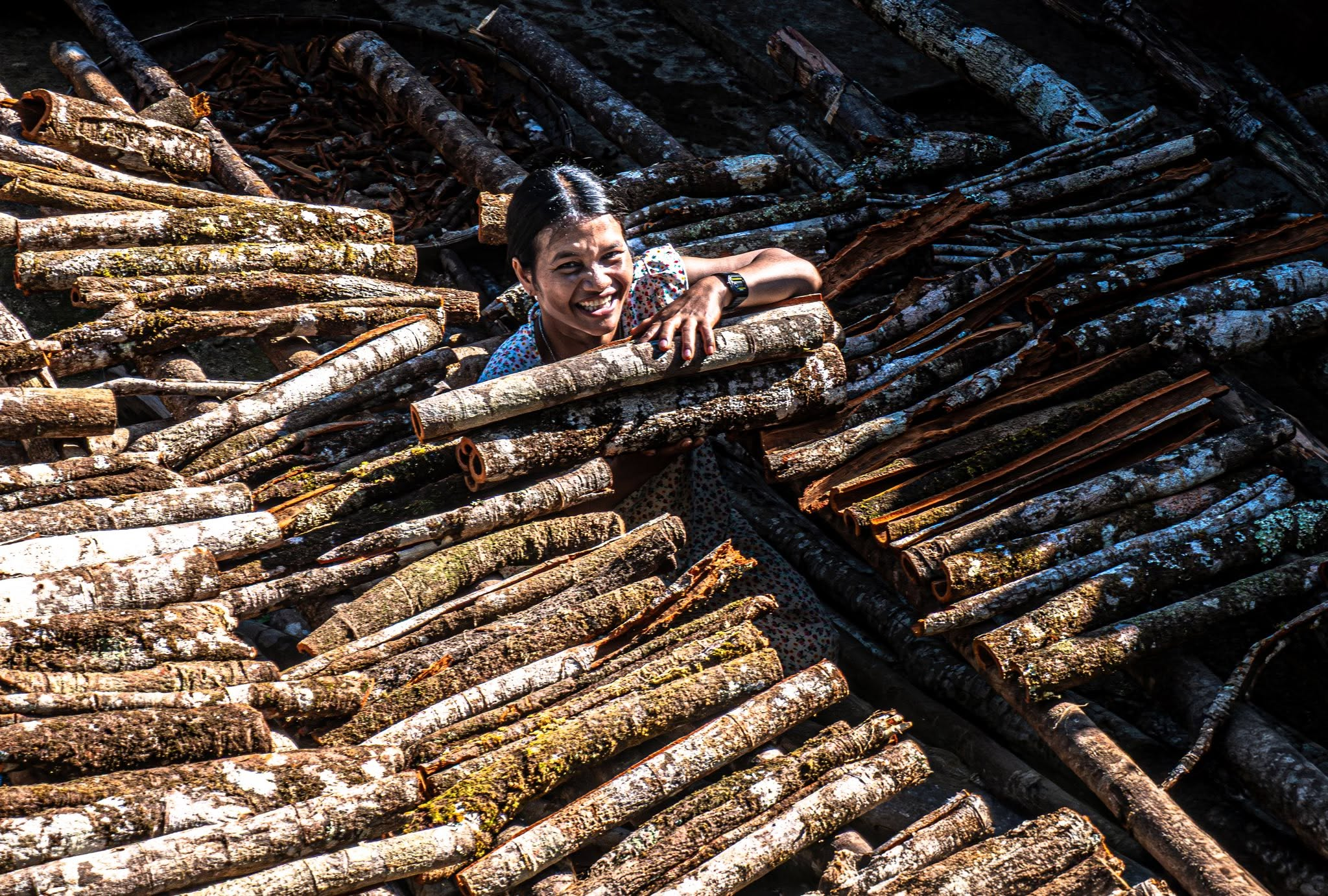
In parallel, attention should be paid to testing ingredients, safety, storage conditions, and traceability information. Cinnamon essential oil can be developed as a raw material for suitable industries such as flavors, cosmetics, or personal care products, but each intended use needs to meet relevant technical requirements and regulations. Do not promote medicinal uses without sufficient evidence and legal basis.
When the product meets quality requirements, investing in packaging, brand identity, and origin stories will help improve market access. Essential oil named Quế Trà Leng needs to be associated with clearly defined raw materials, transparent production processes, and appropriate quality control mechanisms to protect the reputation of indigenous products.
Elevating cinnamon products, opening up more opportunities for the local economy
Processing essential oil from cinnamon is a potential direction, but its long-term effectiveness depends on organizing production suitable for Trà Leng's conditions. Issues to consider include the scale of the raw material area, distillation technology, capital, operating personnel, quality standards, and consumption markets. Testing on a small scale and evaluating efficiency before expanding will help limit investment risks.
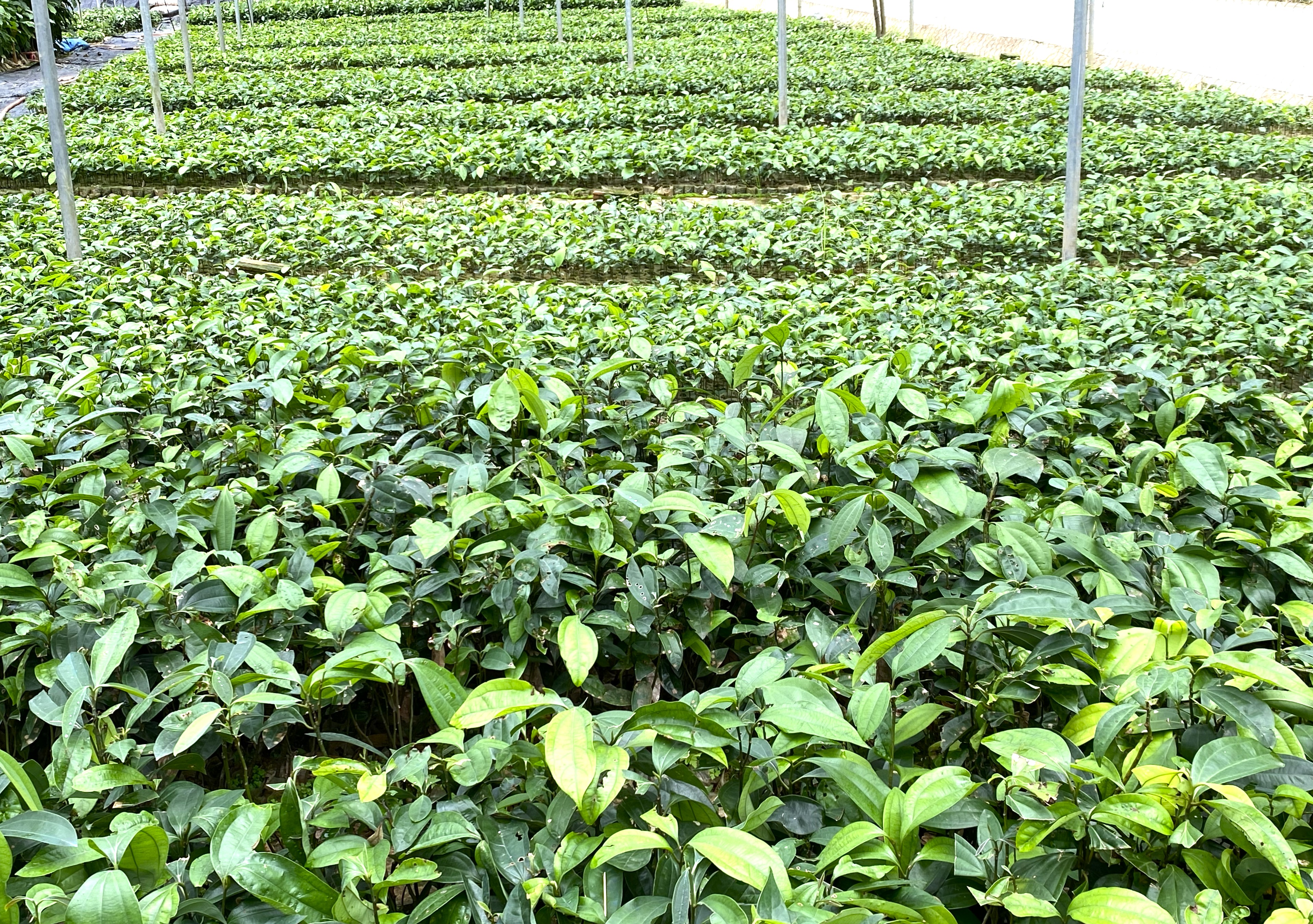
If effectively implemented, the cinnamon product chain can create more jobs in raw material collection, preliminary processing, processing, and packaging; and at the same time expand opportunities for people to participate more deeply in the value creation process. This is also the basis for connecting cinnamon products with the OCOP program and local agricultural product promotion and community tourism activities when all conditions are met.
From cinnamon bark to essential oil is a journey of transforming how a familiar product's value is exploited. For Trà Leng, this direction needs to be built on the foundation of raw material quality, appropriate technology, and the linkage between growers and processing and consumption units. When each stage is adequately invested, Quế Trà Leng will have more opportunities to assert its value in the market, contributing to improving livelihoods and developing the indigenous economy sustainably.