Trà Leng Cinnamon – From Forest Specialty to Livelihood Pillar for the People
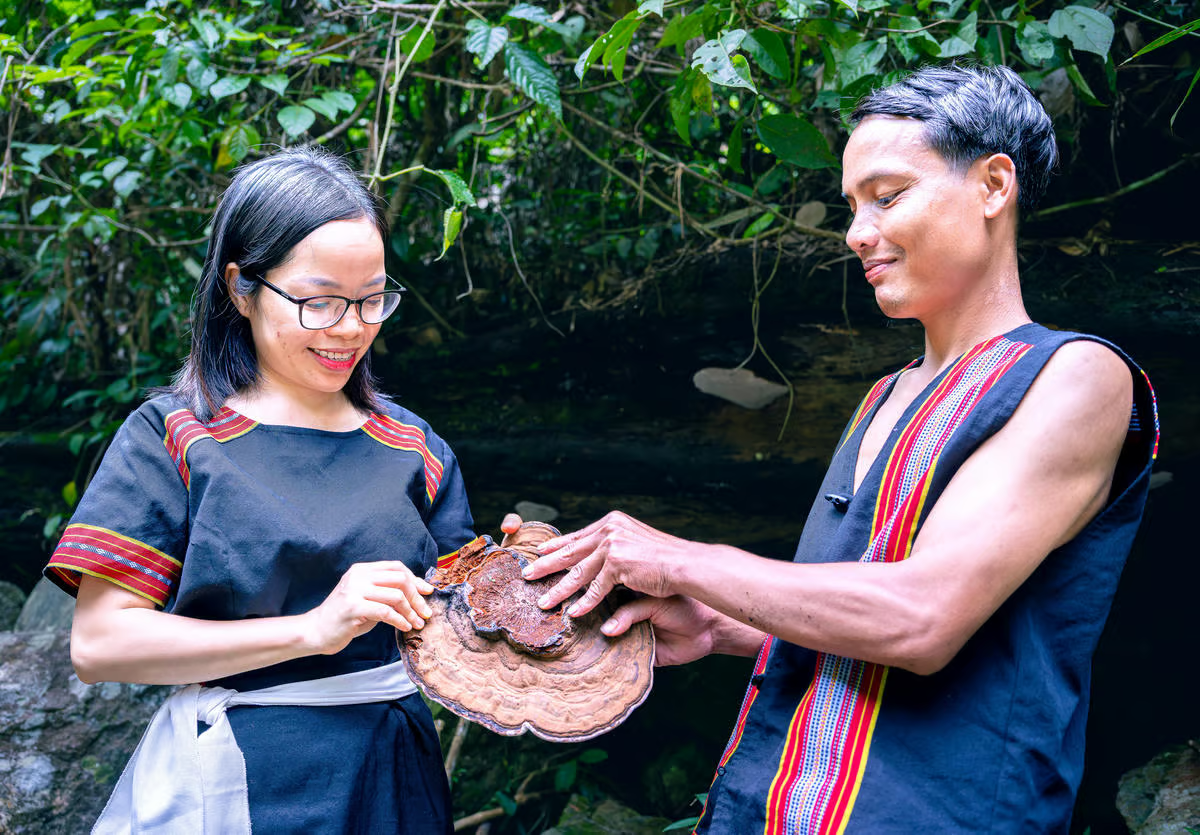
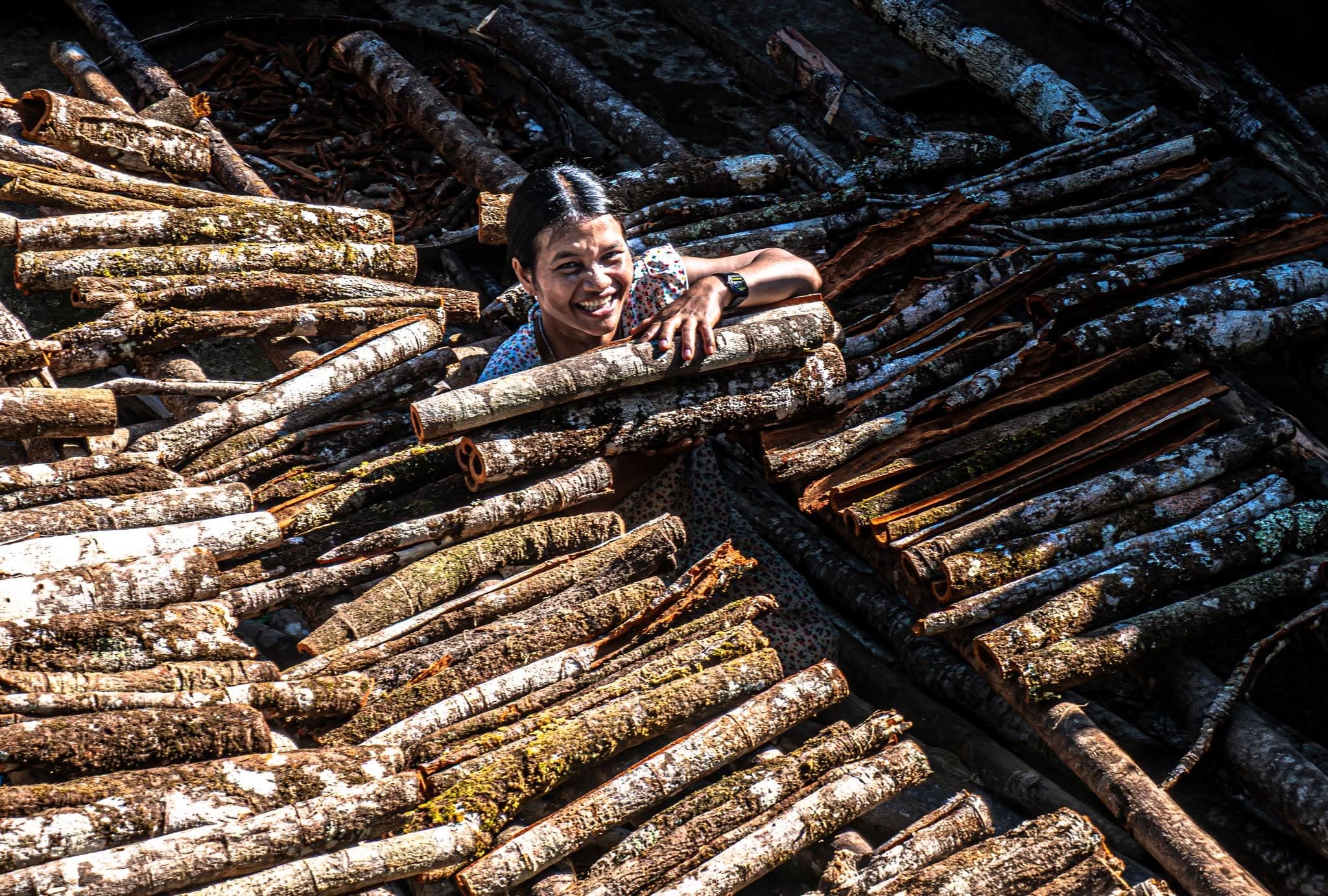
Amidst the vast forests of Trà Leng, the cinnamon tree has long been a part of life, intertwined with the daily rhythms, farming practices, and memories of many generations of mountain dwellers. For the Ca Dong, Xơ Đăng, and Mơ Nông ethnic groups in Trà Leng, cinnamon is not merely a crop that brings income, but also a precious family asset, a livelihood preserved, cultivated, and passed down through the years.
From the soil conditions, climate, to the natural altitude of the Trà Leng mountains, the cinnamon tree finds a suitable environment to grow and develop, creating its unique aroma, warm spicy taste, and distinctive value that is hard to replicate. These factors have contributed to shaping the brand of Quế Trà Leng as a typical specialty of the highlands, while also opening up a direction for agricultural economic development linked to local identity.
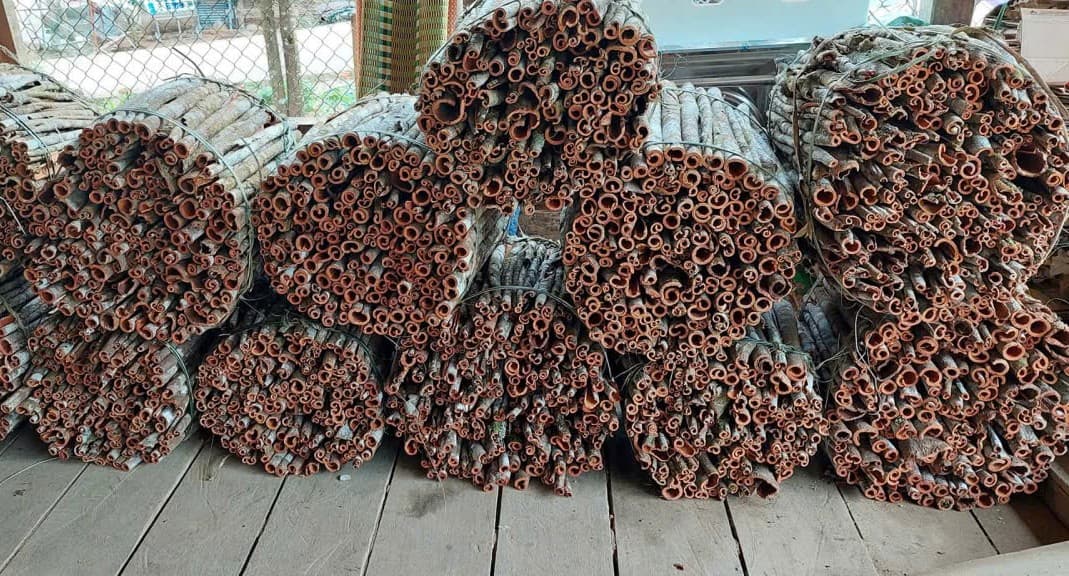
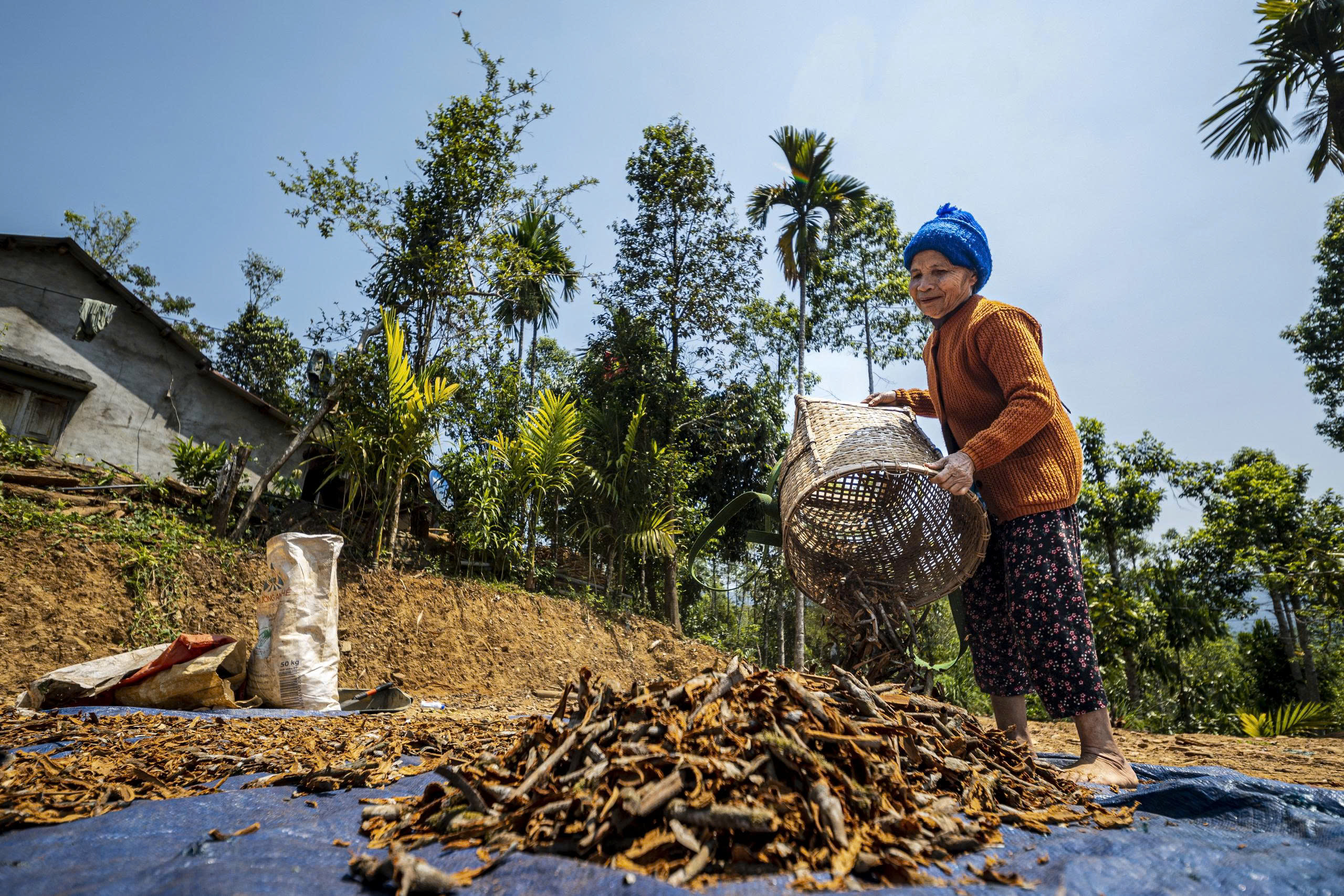
For many years, the cinnamon tree has become an important source of income for many households. From planting, caring, harvesting to preliminary processing, cinnamon contributes to creating jobs, helping people stay rooted to their land and forests, and gradually improving their income. In Trà Leng's development journey, cinnamon is therefore not just an agricultural product but also a “support” for the locality to build a green, indigenous economic model linked to forest resources and mountain culture.
From Raw Material to OCOP Products: When the Cinnamon Tree is Told in Many Different Ways
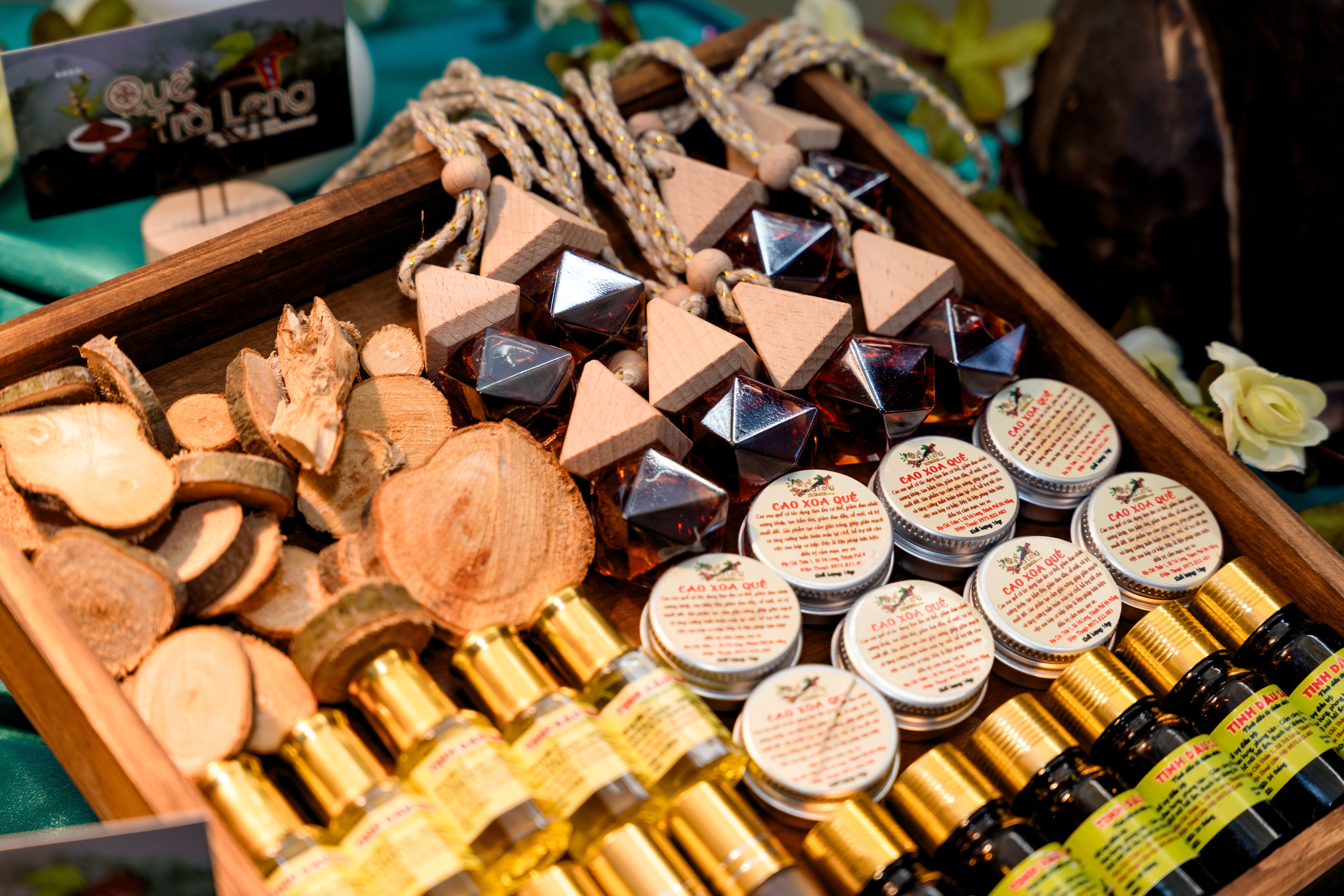
If cinnamon was previously known mainly as bark, sticks, or raw material for trade, in recent years, the product development mindset in Trà Leng has gradually shifted towards increasing value. From the cinnamon tree, many products with higher applicability, aesthetics, and commercial value have gradually formed, expanding the scope of exploiting local resources instead of just selling raw materials.
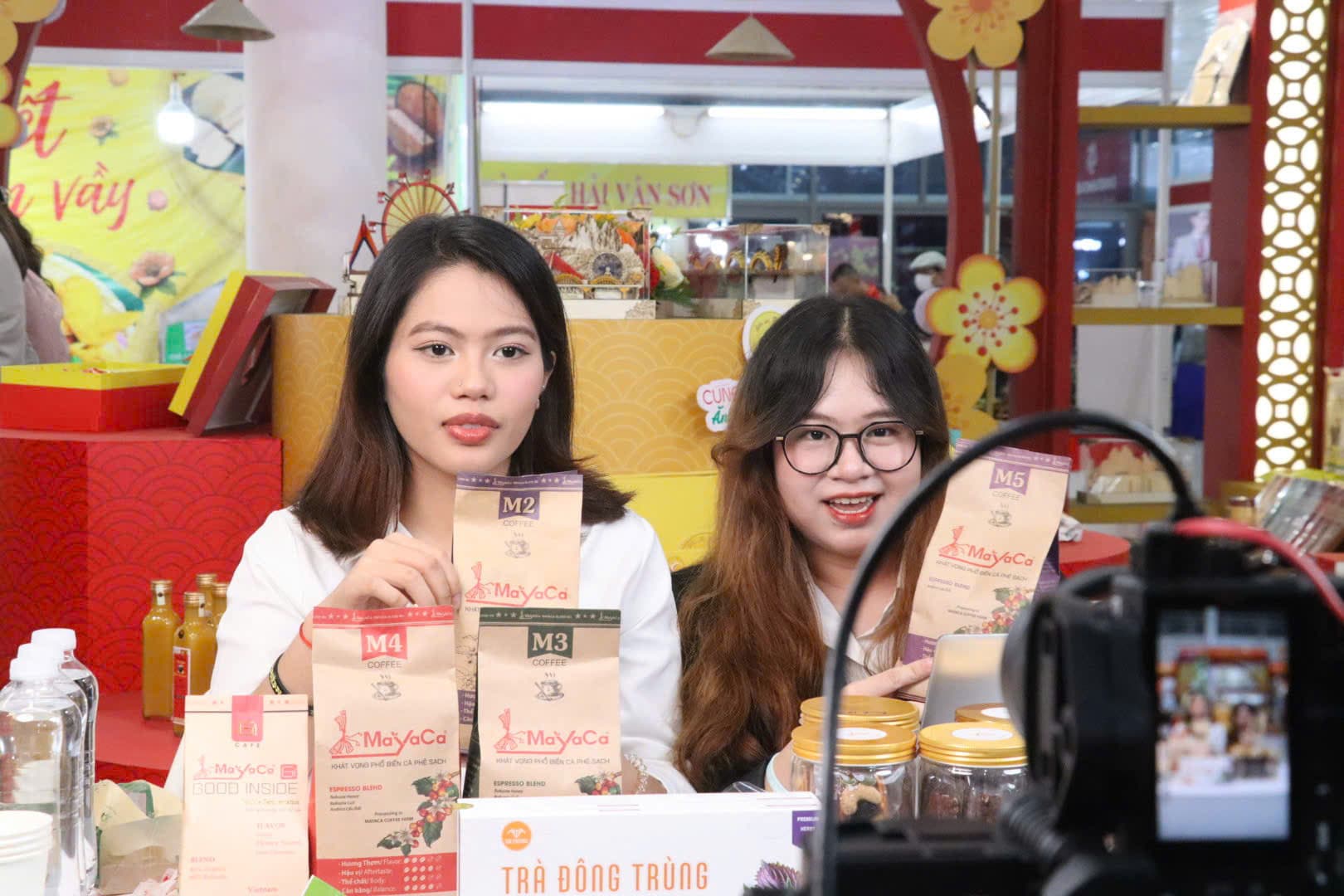
These can be cinnamon products for daily life, gifts, consumption, display, or deep processing; they can also be items developed according to OCOP orientation, focusing more on packaging, quality, product story, and market accessibility. When cinnamon is no longer just a “specialty of the mountains and forests” but becomes a branded product with its own identity and story, the economic value it brings also expands accordingly.
It is worth noting that the journey of building OCOP products from cinnamon is not only about production. It is also a process of changing the perception of local agricultural products: from viewing cinnamon as a single crop to considering it as a foundation for developing a diverse product chain. The cinnamon tree can therefore appear in many different forms, from consumer products to souvenirs, from commercial goods to cultural storytelling material for tourists. Each direction contributes to enriching the value of Trà Leng cinnamon, while creating opportunities for local products to get closer to a broader market.
OCOP – How Trà Leng Preserves Identity in Economic Development
One of the greatest meanings of developing OCOP products from the cinnamon tree is helping Trà Leng gradually connect economy and culture, livelihood and identity. Behind each OCOP product is a story about the land, about the people, about indigenous knowledge, and how mountain people create value from their homeland's resources.
In Trà Leng, cinnamon is closely linked to community life. The scent of cinnamon has passed through many generations, associated with harvest seasons, stories of livelihood, ways of life amidst the vast forests, and the aspiration to rise from a land that has experienced many difficulties. When the cinnamon tree is developed into an OCOP product, its value lies in its economy and its ability to represent the local image. This is how Trà Leng introduces its identity through products, so that every item produced carries the imprint of the mountains and forests, of the community, and of a transforming land.
In the long term, developing OCOP from cinnamon also opens up an important direction for community tourism and green economy. A cinnamon product that is well-invested in quality, design, and story will have the opportunity to reach a wider range of consumers, and at the same time become an experience for tourists: from learning about the raw material area, how to harvest, preliminary processing, to experiencing the scent of cinnamon in Trà Leng's cultural space. At that time, OCOP products become an output for agriculture, and also a bridge to promote the local image, attract tourism, and enhance value for the entire production chain.
From the Cinnamon Tree, Trà Leng is Expanding the Development Space for the Indigenous Economy
Looking at the cinnamon tree, it can be seen that Trà Leng is gradually choosing a more sustainable direction: economic development from indigenous resources, while linking with cultural values, community livelihoods, and local brand stories. In this journey, OCOP products play an important “transition” role, helping Trà Leng cinnamon go further, access the market better, and create more value for the people.
From a familiar plant of the mountains and forests, cinnamon is now recognized as a development resource. Each product made from cinnamon contributes to increasing income for the people, while affirming Trà Leng's potential in building agricultural product brands imbued with highland identity. When the cinnamon tree is elevated to an OCOP product, it is also when a land is telling its development story in its own way: starting from indigenous resources, passing through human hands, and aiming for sustainable values for the future.