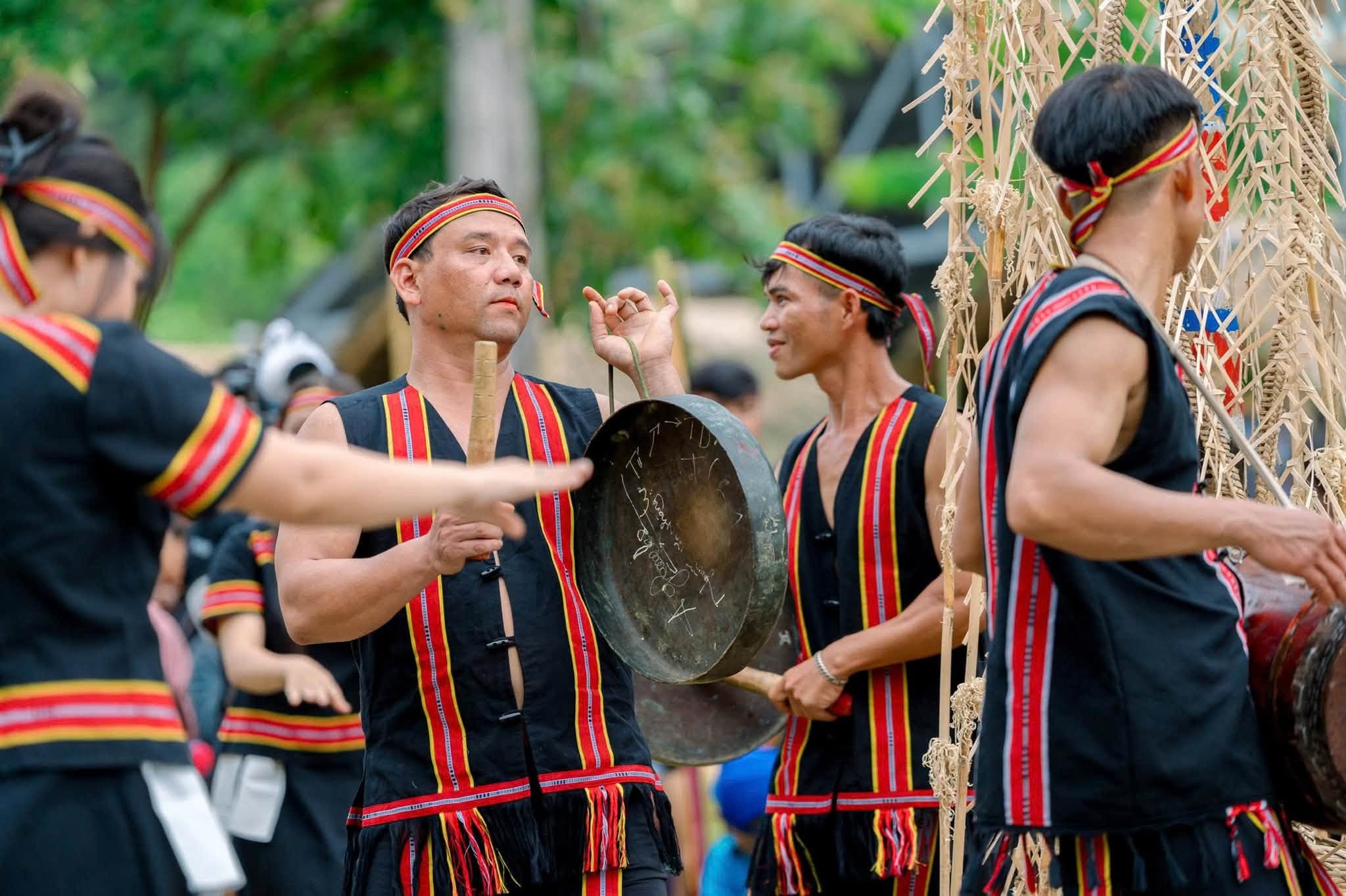
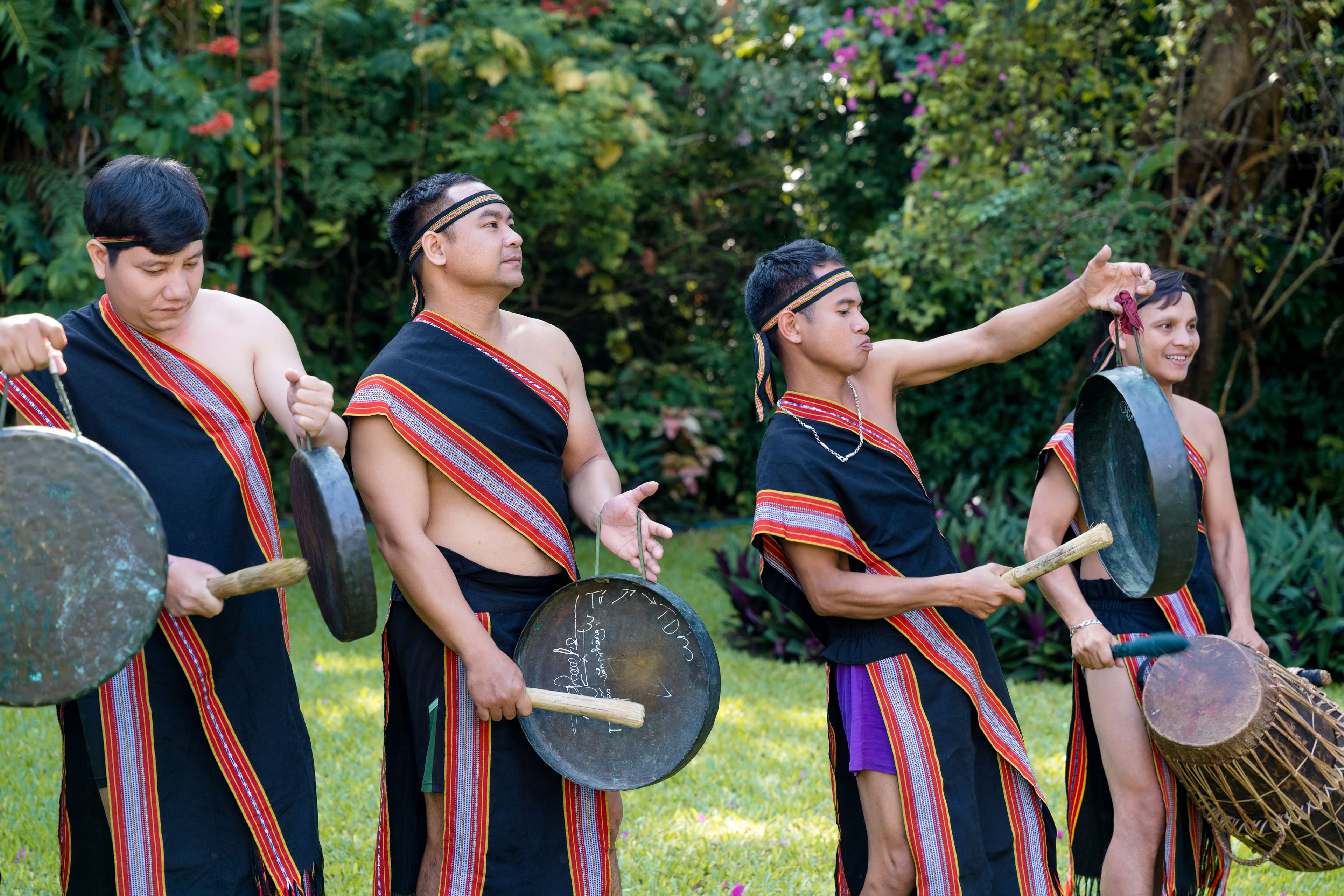
Gongs are not just traditional musical instruments but also memories, the cultural voice of the ethnic communities living in Trà Leng. Amidst the changes of modern life, preserving the cultural space of gongs is becoming one of the important efforts to conserve the identity of the Ca Dong, Xơ Đăng, and Mơ Nông people in the highlands of Đà Nẵng.
Gongs – The Soul of Trà Leng People's Cultural Life
For generations, the sound of gongs has been associated with rituals, festivals, and community activities of the people of Trà Leng. In the belief of the ethnic groups, each gong carries its own spiritual value, serving as a bridge between humans and ancestors, deities, and nature. Not only are gongs musical instruments used in important events, but they are also considered sacred symbols, reflecting the spiritual life and worldview of the ethnic communities living here.
The sound of gongs resonates during the new rice celebration, weddings, or community gatherings. Each ritual has its own gong pieces, rhythms, and performance styles, conveying different messages such as gratitude to deities, prayers for bountiful harvests, or joy for important village events. This sound is not merely a melody but also contains stories about the history, customs, and life of a community that has been connected to the mountains and forests for many generations.
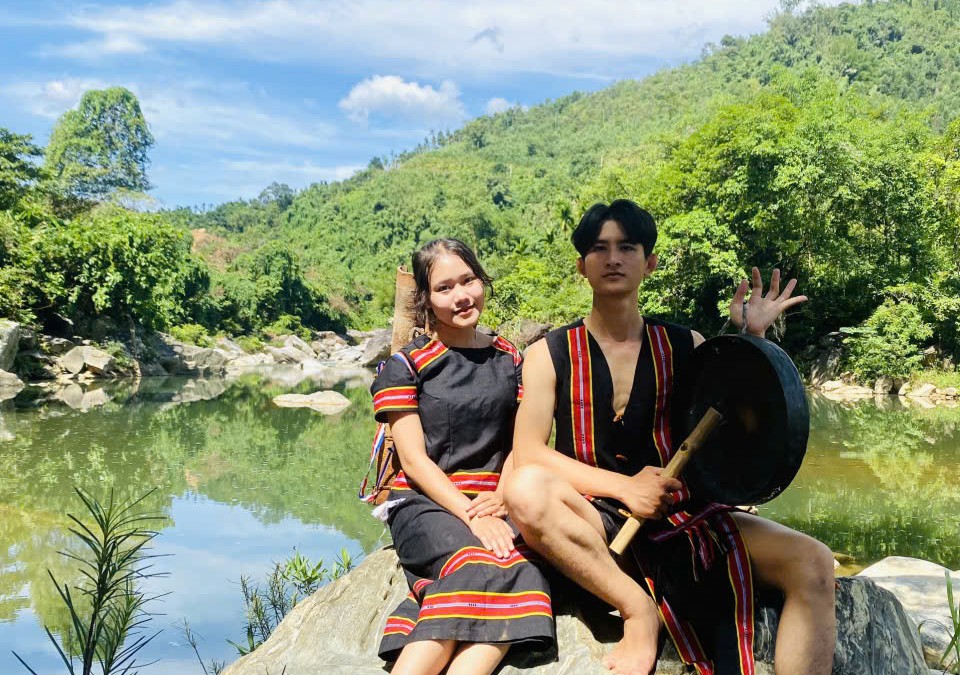
During traditional festivals, the sound of gongs blends with dances, folk songs, and flickering firelight, creating a unique cultural space. It is a time when everyone gathers, shares joy, strengthens community bonds, and passes on precious cultural values to the younger generation. These moments have contributed to nurturing the unique identity of Trà Leng over many years.
When the Sound of Gongs Faces the Risk of Disappearing
The development of modern society brings many opportunities but also poses numerous challenges to the preservation of traditional culture for the ethnic groups in the highlands of Trà Leng. Nowadays, young people have more access to technology, social media, modern entertainment, and new cultural trends from outside. This expands knowledge and development opportunities, but at the same time, it widens the gap between the younger generation and traditional cultural values. Meanwhile, learning to play gongs is not something that can be done in a short time; it requires perseverance, practice time, and a genuine passion for ethnic culture.
Many elderly artisans have expressed concern as the number of young people who understand and are proficient in gongs is decreasing. They worry that if there are no successors, ancient gong pieces passed down through generations, rituals associated with spiritual life, and unique performance skills of each ethnic group will gradually be forgotten over time. When artisans are no longer healthy enough to teach, the risk of heritage loss becomes even more apparent.
In addition, the number of gong sets preserved in the community today is not as abundant as before. Some gong sets have deteriorated due to time, been damaged or lost, while restoring and purchasing new sets is often costly, exceeding the means of many households. This directly affects the maintenance of gong teams in villages and hamlets, as well as the organization of community cultural activities.
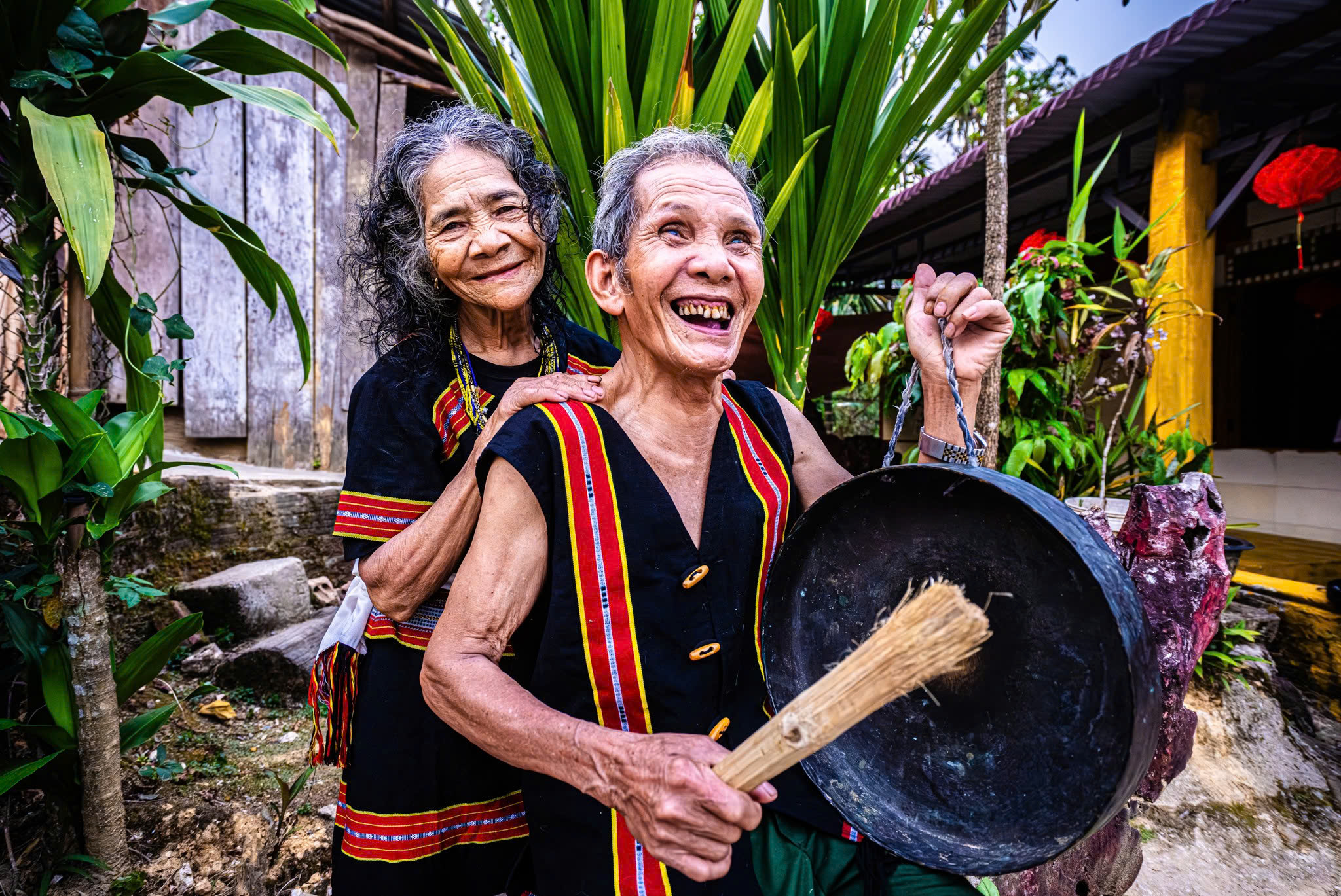
Teaching Gongs to the Younger Generation – A Long-Term Solution for Heritage Preservation
To ensure the sound of gongs continues to echo through the vast mountains, many conservation activities have been implemented in Trà Leng in recent years. This is considered an important solution to maintain the vitality of a traditional cultural form facing many challenges from modernization and changes in community life.
Gong teaching classes should be organized in villages and hamlets with the participation of local artisans and youth. Through a "hands-on" approach, children learn how to play gongs, feel the rhythm, and better understand the cultural significance of each gong piece. Many elderly artisans not only guide performance techniques but also recount stories associated with each ritual and traditional festival, helping the younger generation understand their roots more deeply.
In addition to learning to play gongs, children also learn about the role of gongs in community life, from new rice celebrations, weddings, to important village events. Thus, learning gongs is not just about musical skills but also becomes a process of acquiring and preserving traditional cultural values passed down through many generations.
Integrating Gongs into Festivals and Community Tourism Activities
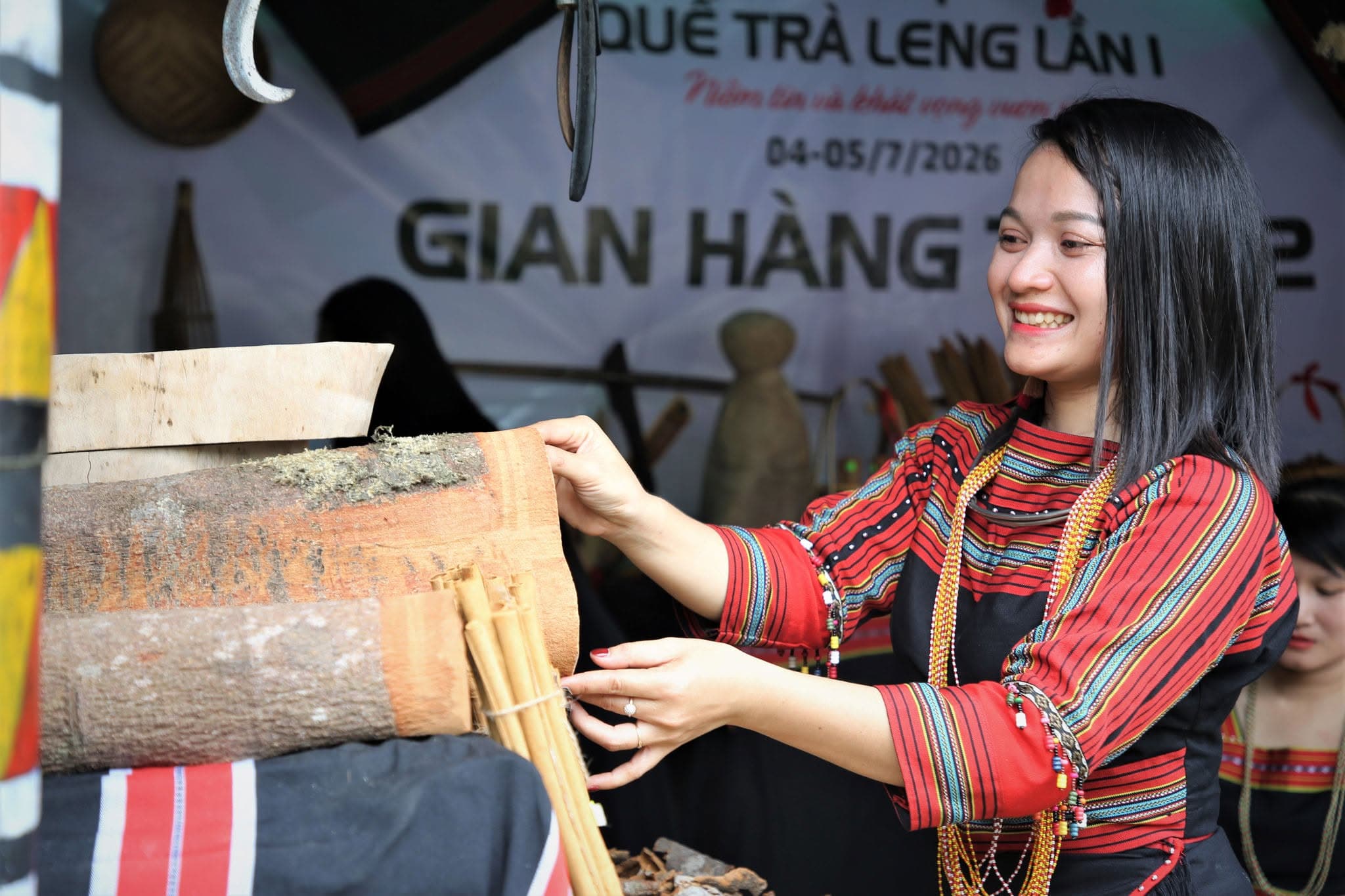
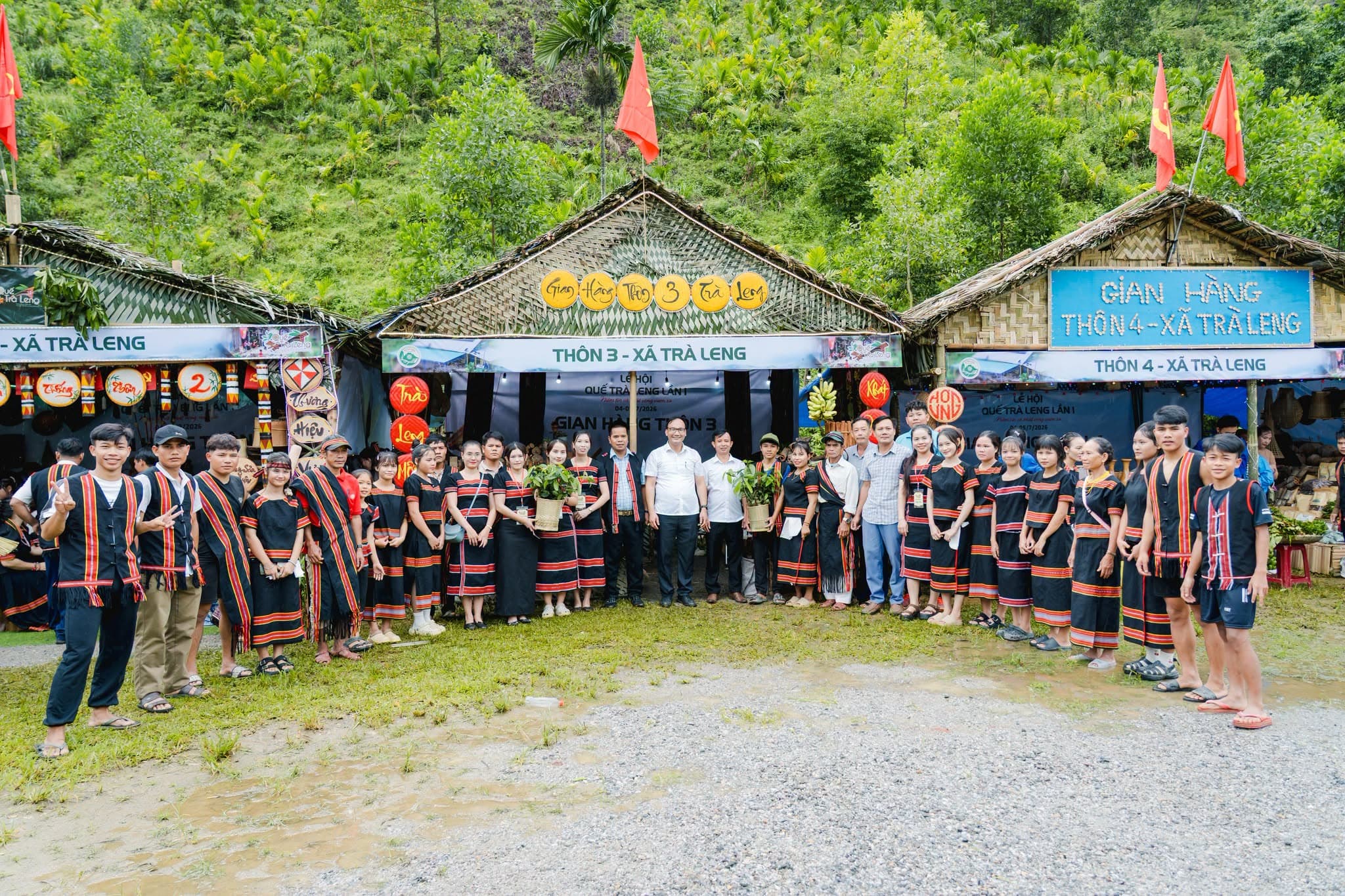
One effective approach currently is to link gong preservation with cultural tourism development. In Trà Leng, many cultural exchange programs, traditional festivals, and community tourism activities have made gong performances a highlight attracting tourists. Through performances rich in local identity, visitors have the opportunity to get closer to the cultural life of the highland ethnic groups.
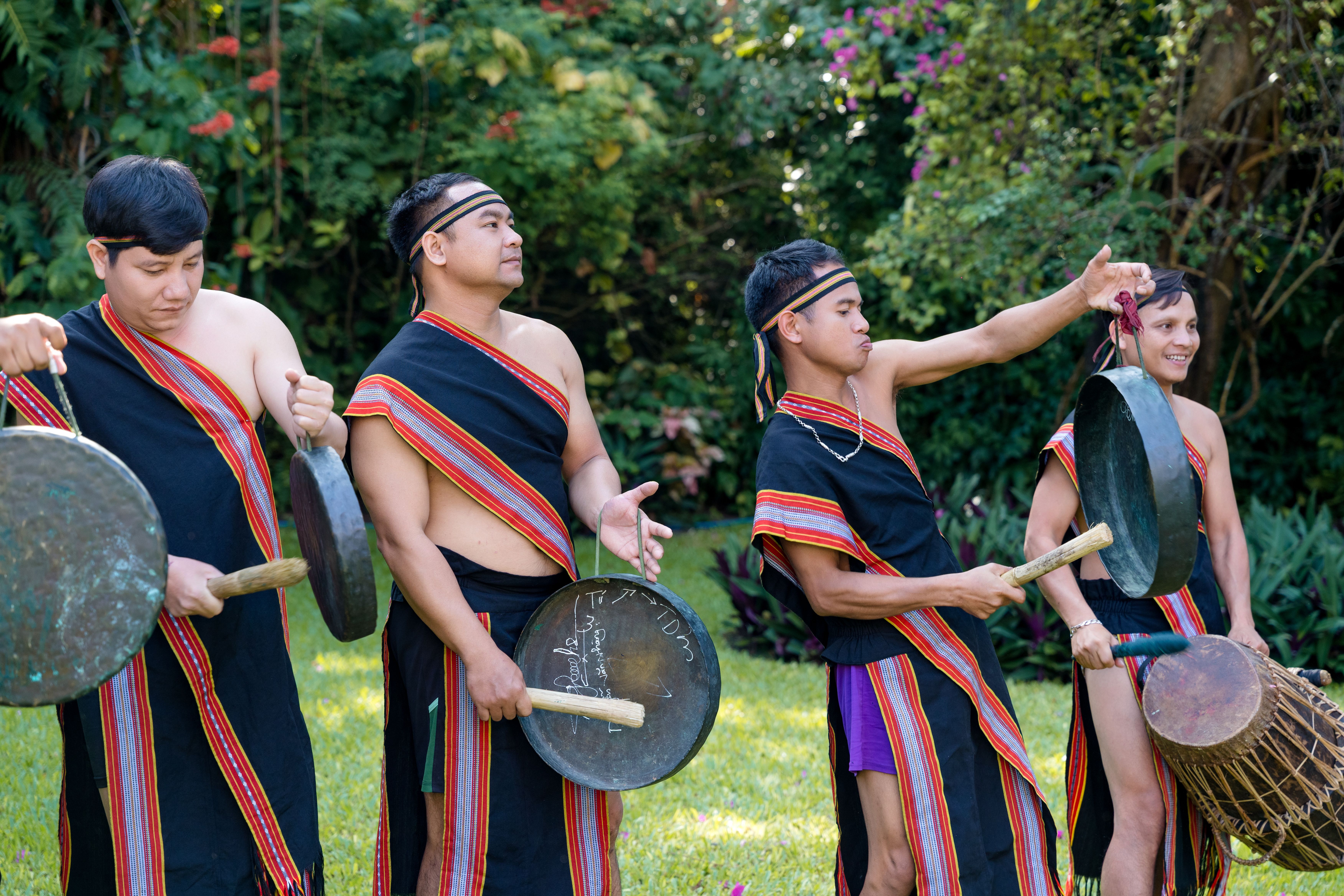
Integrating gongs into tourism products not only contributes to promoting Trà Leng culture but also creates further motivation for the community to preserve and promote the value of its heritage. When culture provides livelihoods for the people, conservation efforts also become more sustainable.