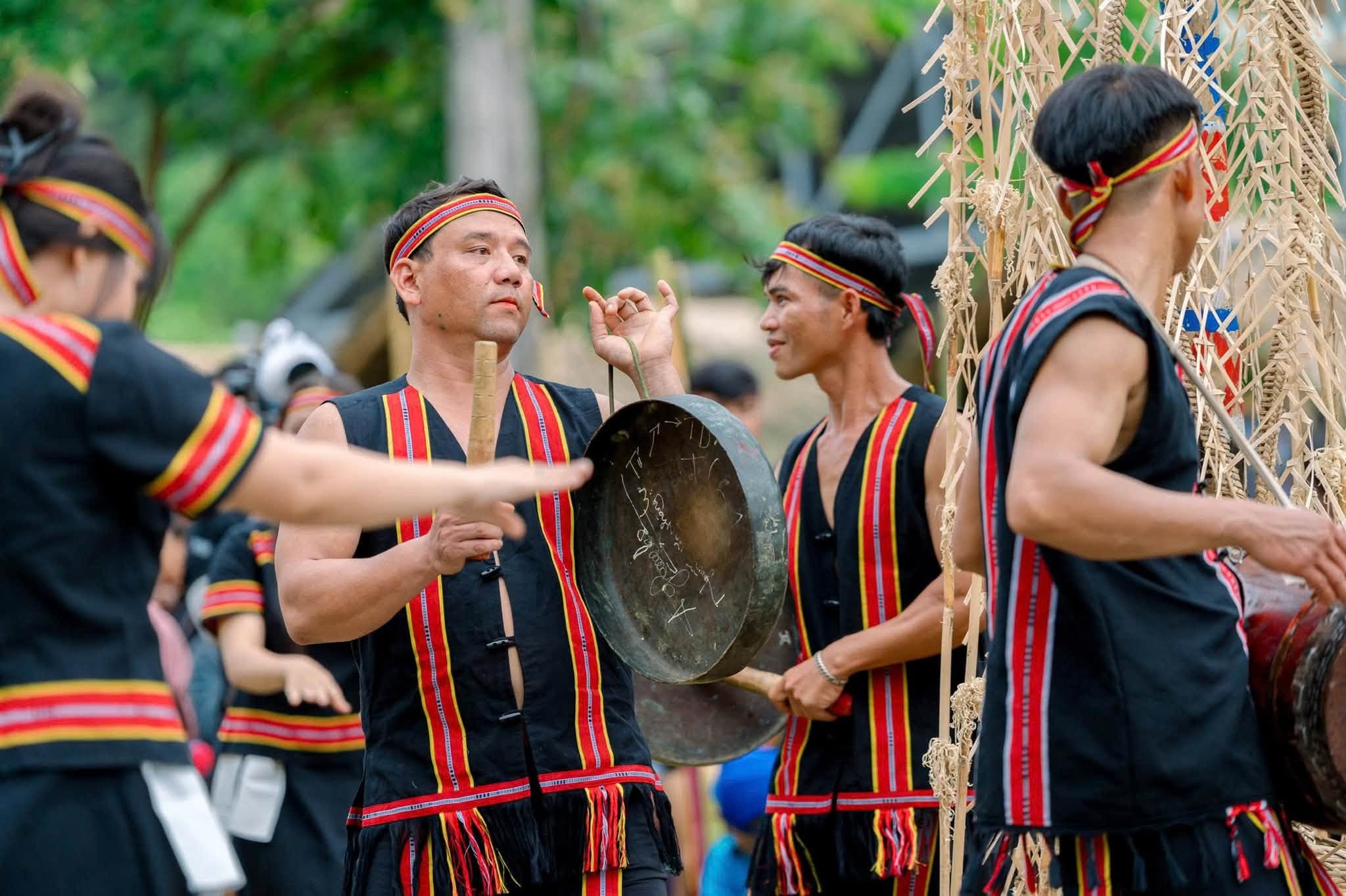
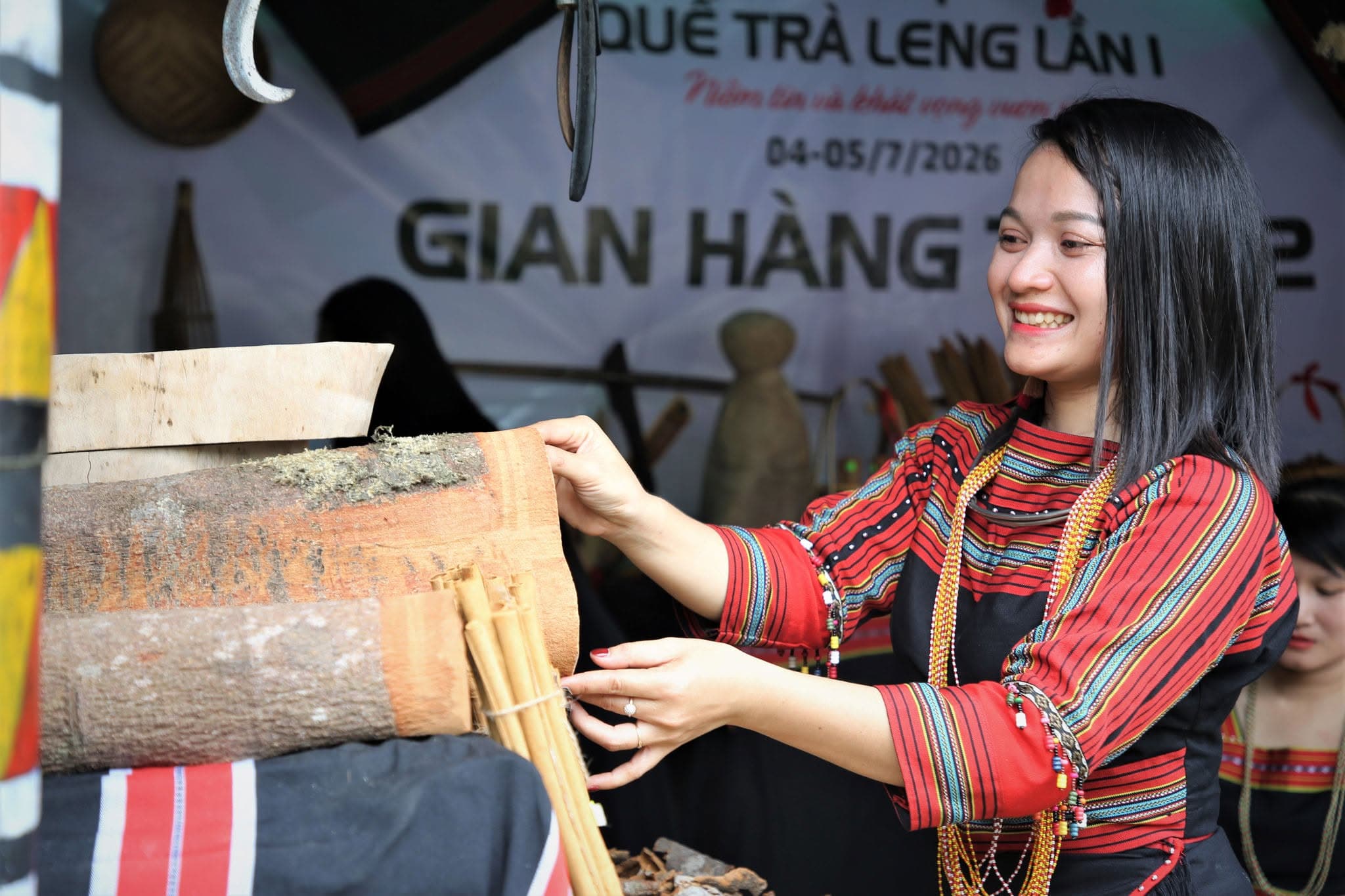
In the misty land of Trà Leng, formerly part of Quảng Nam, the cinnamon tree holds a meaning far beyond that of a common livelihood crop. This plant, reaching skyward amidst the vast forest, has permeated the spiritual life, customs, and countless stories cherished by the Ca Dong, Xơ Đăng, and Mơ Nông people from generation to generation.
Beneath its deep green canopy lie invaluable memories of origin, sacred maternal love, and beliefs that teach people to cherish the values of Mother Nature.
The Origin of a Treasure Bestowed by the Forest God upon the Village
The memories of the village elders on Ngọc Linh mountain always carry the oral histories of the primordial era of village establishment. In those days, cinnamon trees quietly grew like wild grass, hidden deep within the ancient primary forests. Amidst the myriad difficulties of primitive life, the indigenous ancestors accidentally discovered a type of rough bark that emitted a strangely warm and strong aroma, possessing the power to soothe severe illnesses.
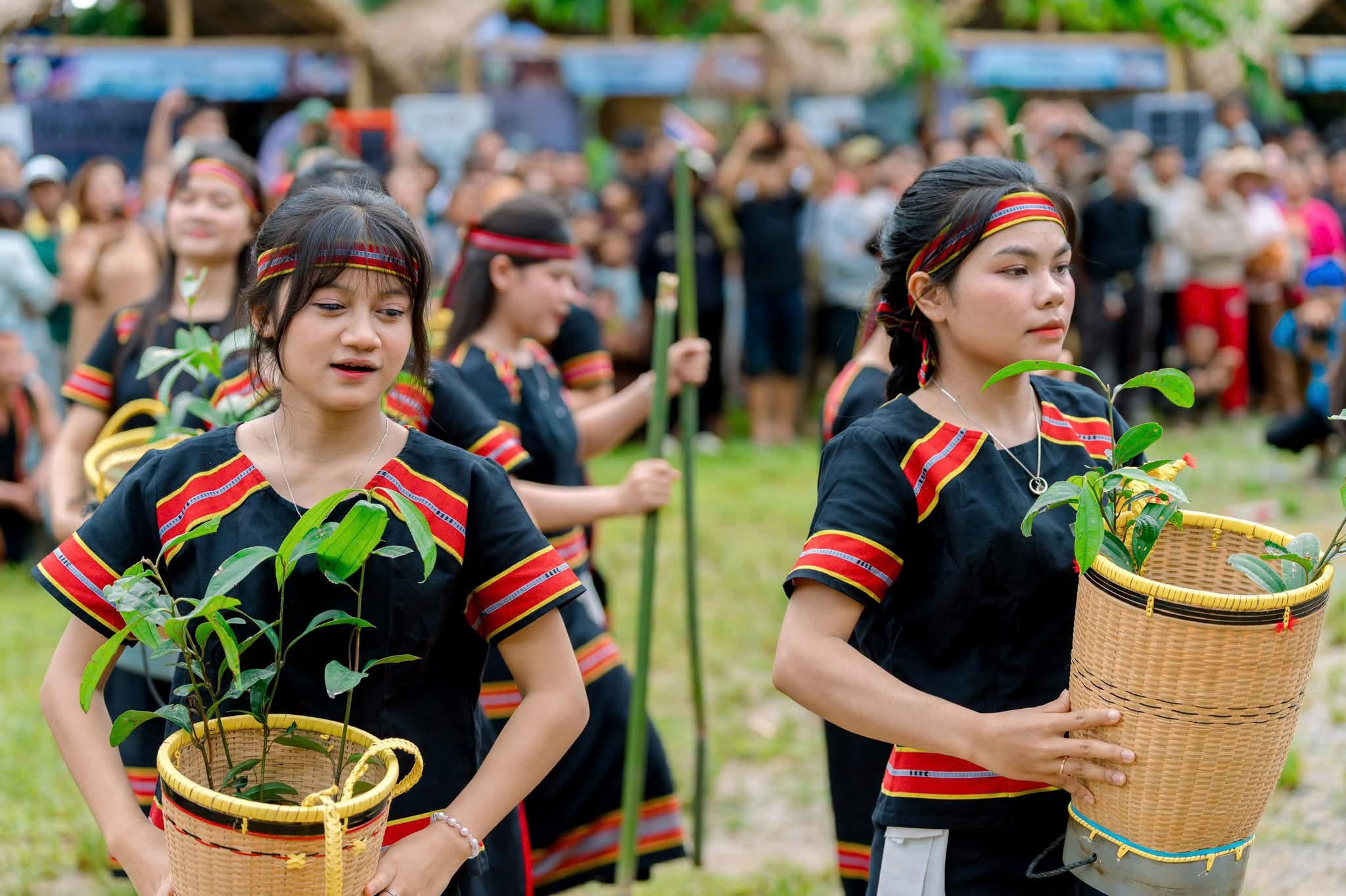
Recognizing this precious value, the pioneers carefully transplanted each green sprout from the deep forest, bringing them back to plant in their home gardens. Through layers of time and countless historical ups and downs, from a few small initial trees, they grew, their roots deeply embedded in the mother earth, forming vast hills that shielded the villages from storms. Now, any mountain dweller proudly honors this vibrant plant as a priceless gem that the great forest has graciously bestowed to protect its people.
Love Crystallized into a Sacred Inheritance
In the spiritual life of the people of Trà Leng, there is a unique cultural beauty passed down through hundreds of farming seasons, celebrating the boundless love of parents. The people always believe that the cinnamon tree is the most precious dowry, carrying countless hopes and abundant blessings entrusted to future generations. From the moment a tiny life cries out at birth, the father will quietly take his hoe to the hill and plant a lush green patch of young cinnamon in the rich soil.
These saplings will bravely bathe in the sun and rain, silently growing alongside the peaceful childhood years of the children. Until the day the children are grown and decide to move out, the parents will lead them to the hill, handing over the entire vast cinnamon field as a solid launching pad for them to confidently step into a new life. The Ca Dong people's proverb is always deeply etched in their minds: parents diligently cultivate to leave the cinnamon trees for their children, and once one holds a cinnamon hill in hand, one has a whole sky of prosperity and warmth.
Beliefs Protecting All Things and the Presence of Ancient Cinnamon Trees
The religious culture of the highland people always places full faith in the manifestation of gods who govern each mountain, stream, and sacred forest. They honor the cinnamon tree with absolute reverence, believing that beneath its rough bark are not merely inanimate wood fibers, but also the sacred soul of heaven and earth. The consciousness of protecting nature is expressed through the act of only stripping bark for livelihood from trees that have reached perfect maturity.
The people always show deep awe and respect for ancient cinnamon trees, hundreds of years old, standing firm through generations. The preservation of these symbolic trees and the entire headwater forest ecosystem has been officially codified into ironclad laws in the customary rules of each village. Any individual who dares to trample on common rules, destroy ancient forests, or exploit indiscriminately will have to bow down and bear the most severe punishments from the council of village elders, serving as a deterrent to preserve the green for future generations.