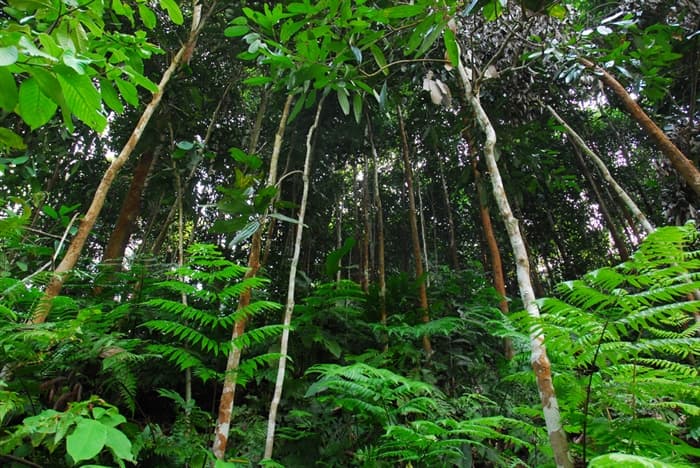
Amidst the sprawling green forests of Trà Leng, cinnamon trees have been intertwined with the lives of the people for many generations. The scent of cinnamon followed the people to the fields, through harvest seasons, and became a part of the memory of this vast land.
Today, along with the new development orientation of the locality, cinnamon trees are expected to become the center of the "forest canopy economy" model, which is a harmonious direction between economic development, natural resource protection, and long-term livelihood preservation for the community.
From the value of cinnamon trees to sustainable development
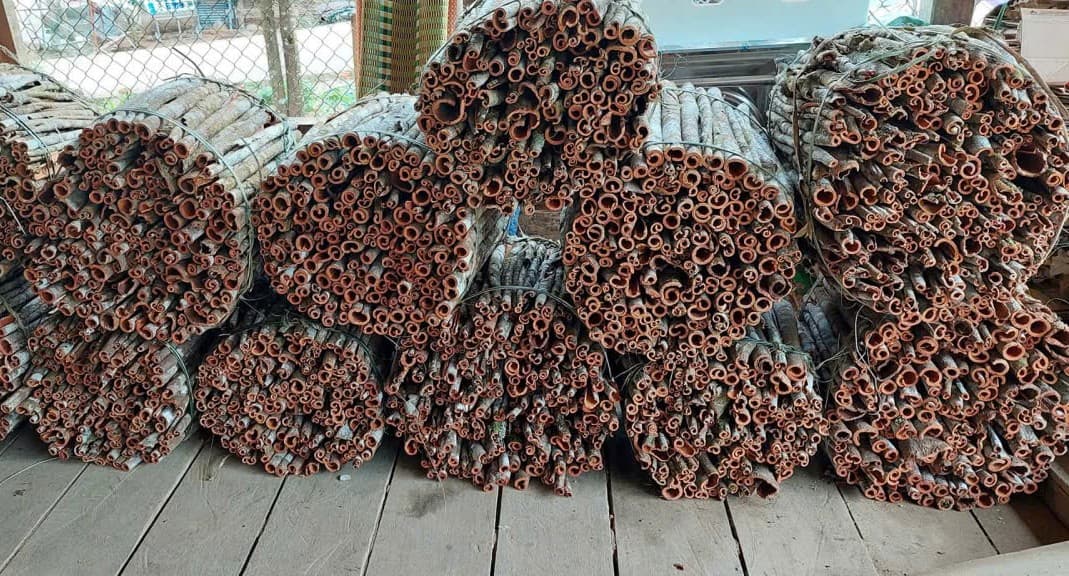
Trà Leng possesses special natural conditions with a cool climate, high humidity, and vast natural forests. This environment has created the unique quality of Quế Trà Leng (Trà Leng Cinnamon) - one of the characteristic products of the mountainous region west of Da Nang city.
For many years, cinnamon trees have brought significant income to many households. However, the value of cinnamon trees will be further enhanced when developed into a complete value chain, from raw material areas and deep processing to brand building and expanding consumption markets.
That is also why Trà Leng is gradually moving towards the "forest canopy economy" model. Instead of exploiting resources in a short-term manner, the locality identifies forests as the foundation for long-term development. Cinnamon trees are planted, cared for, and developed in a natural environment, contributing to maintaining forest cover, creating livelihoods for people, and opening up many opportunities for developing related industries.
Forest Canopy Economy - When forest protection is linked to people's livelihoods
The "forest canopy economy" is a development model based on the principle of rational exploitation of the values brought by the forest ecosystem, while maintaining and protecting natural resources. For Trà Leng, cinnamon trees are one of the important foundations for realizing this orientation.
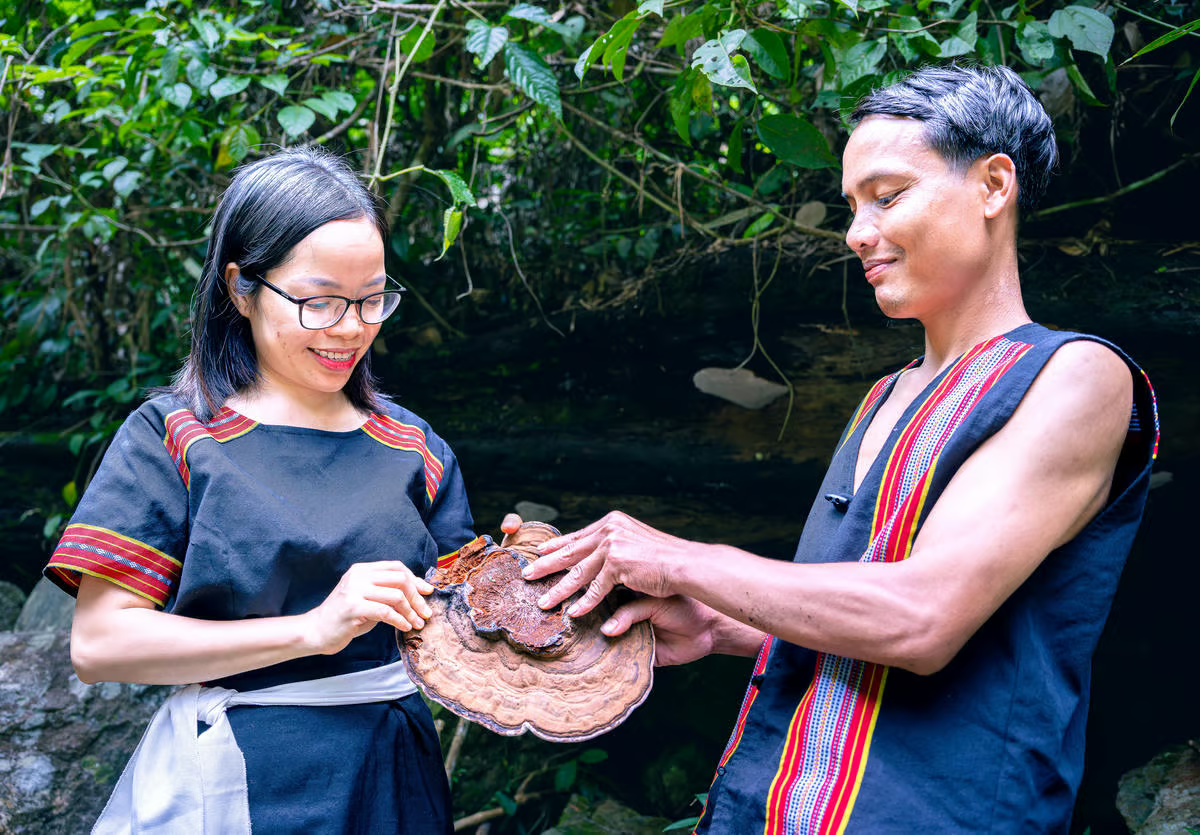
When cinnamon trees are cared for and developed under the forest canopy, people have more motivation to preserve the existing forest area. Each protected forest also means preserving water sources, protecting soil, maintaining biodiversity, and creating a favorable environment for many medicinal plants to grow.
Besides the value from cinnamon bark, many other parts of the tree such as leaves, branches, or wood can also be exploited to produce essential oils, handicrafts, and many value-added products. The comprehensive utilization of cinnamon trees contributes to improving economic efficiency, reducing waste of raw materials, and creating more jobs for local people.
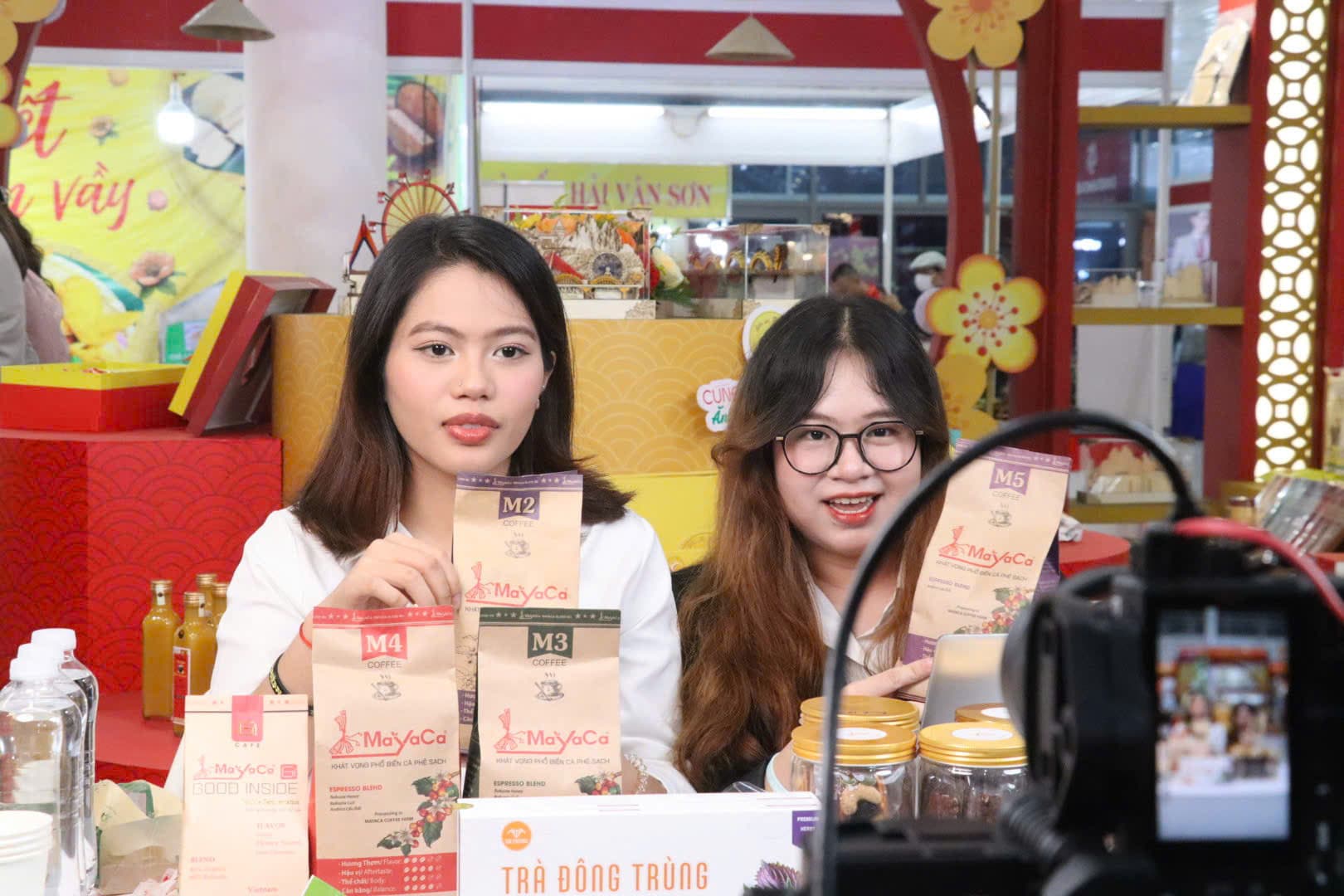
This orientation also opens up opportunities for cooperatives, businesses, and people to jointly build a sustainable value chain, gradually bringing Quế Trà Leng products to markets with high requirements for quality and traceability.
Joining hands to build a green future for Trà Leng
The "forest canopy economy" is not just a development model but also a long-term vision for Trà Leng. When cinnamon trees are placed at the center of the development strategy, many other fields also have conditions to develop together, such as experiential tourism, OCOP products, medicinal processing, essential oils, and handicrafts imbued with local identity.
In recent times, Trà Leng has actively connected with research agencies, businesses, and domestic and international partners to seek solutions to enhance the value of cinnamon trees. Activities such as surveying raw material areas, researching product quality, orienting deep processing, and brand building are creating more momentum for cinnamon trees to develop in a modern, sustainable, and highly competitive direction.
The dream of building a "forest canopy economy" will take time to gradually realize. However, with the companionship of the people, government, scientists, and businesses, Trà Leng is laying the foundation for a harmonious development direction between economy and nature. Every forest preserved, every cinnamon tree cared for today will contribute to creating a green future, where the value of the forest continues to be preserved and spread along with the development of the Trà Leng land.