When buying cinnamon, many people often only pay attention to the aroma or external appearance. However, to choose high-quality cinnamon, especially cinnamon with good essential oil content, it is necessary to understand the cinnamon variety, the position of the bark on the tree, and even the harvesting and preservation methods after harvest.
In Vietnam, Trà Leng cinnamon is considered one of the most outstanding cinnamon regions due to its high-altitude climate, high humidity, and natural growth conditions under the forest canopy. This is also the type of cinnamon chosen by many for medicinal purposes, essential oils, and health care products.
Cinnamon variety determines essential oil quality - Quế Quan is often spicier and more fragrant
Currently, Vietnam has two popular groups of cinnamon: Quế Quan and Quế Yên Bái. Among them, Quế Quan includes regions such as Trà My, Trà Bồng, and Trà Leng. This group of cinnamon is famous for its thick essential oil layer, deep aroma, and distinct warm spicy taste. If compared at the same age, Quế Yên Bái usually grows faster. However, Quế Quan has a richer essential oil content and retains its fragrance longer after drying.
That's also why Trà Leng cinnamon is often used in the production of:
Pure cinnamon essential oil
Premium cinnamon powder
Cinnamon-based medicinal herbs
Cinnamon tea
Many long-time practitioners say that just by gently breaking a stick of Trà Leng cinnamon, you can feel the spicy aroma spreading very quickly.
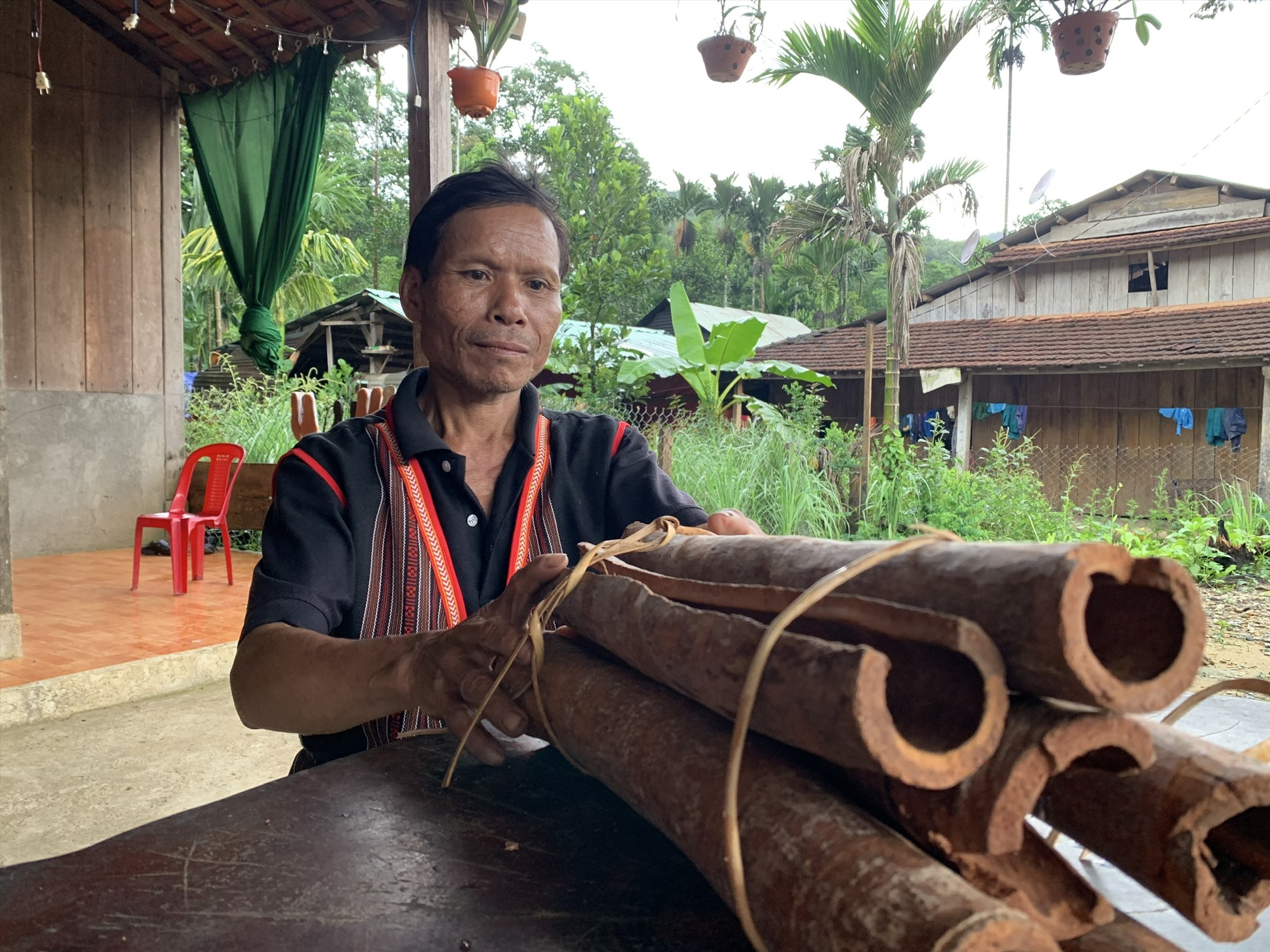
Trà Leng residents bundling cinnamon. (Photo: Archive)
The closer the cinnamon bark is to the base of the tree, the more valuable it is - The part containing the most essential oil
Not all parts of the bark on a cinnamon tree have the same quality. According to the experience of people in the cinnamon region, the closer the bark is to the base of the tree, the higher the essential oil content. Areas near the base often have a thicker oil layer, better color, and a richer aroma.
In particular, the crotch of the tree is where the most essential oil is concentrated. This is also the part of cinnamon often chosen for medicinal purposes or for distilling high-grade cinnamon essential oil.
Conversely, cinnamon from small branches will have lower oil content, thinner bark, and reduced spiciness. However, cinnamon branches and leaves are still utilized to produce cinnamon incense, potpourri, or fragrance ingredients.
Harvesting at the right time helps cinnamon retain its fragrance - The secret of long-time cinnamon growers
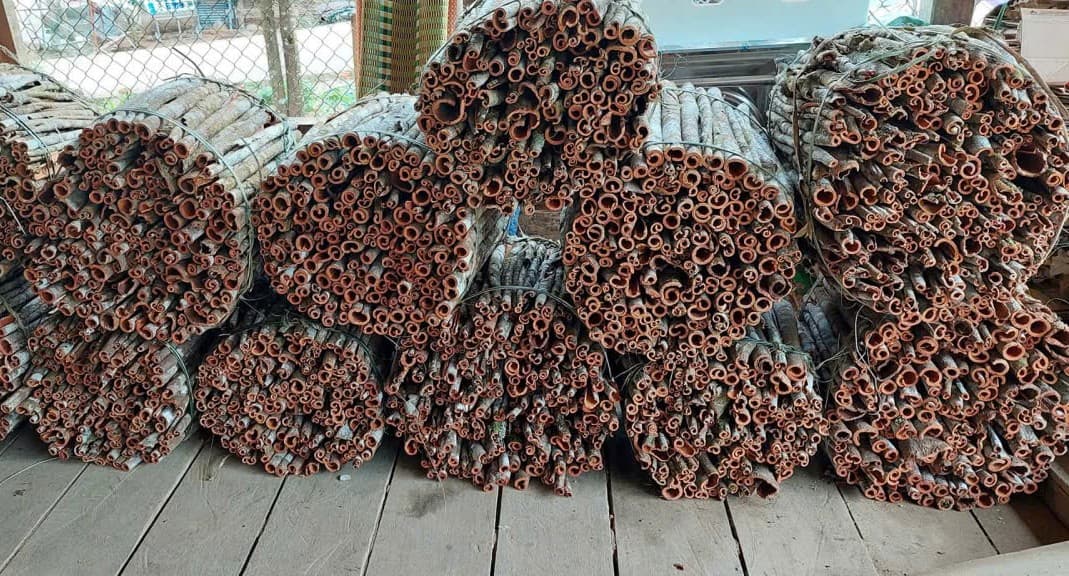
A quality cinnamon tree depends not only on the variety but also on the harvesting technique. Trà Leng residents often cut a ring around the base about 10 days beforehand to allow essential oils to concentrate more in the bark. This method makes the bark easier to peel and reduces tearing during harvest.
After peeling, the cinnamon is soaked in water, kept moist, and then scraped clean of the outer layer before being sun-dried. The drying process must be long enough for the cinnamon to reach the standard dryness while retaining its natural color and aroma.
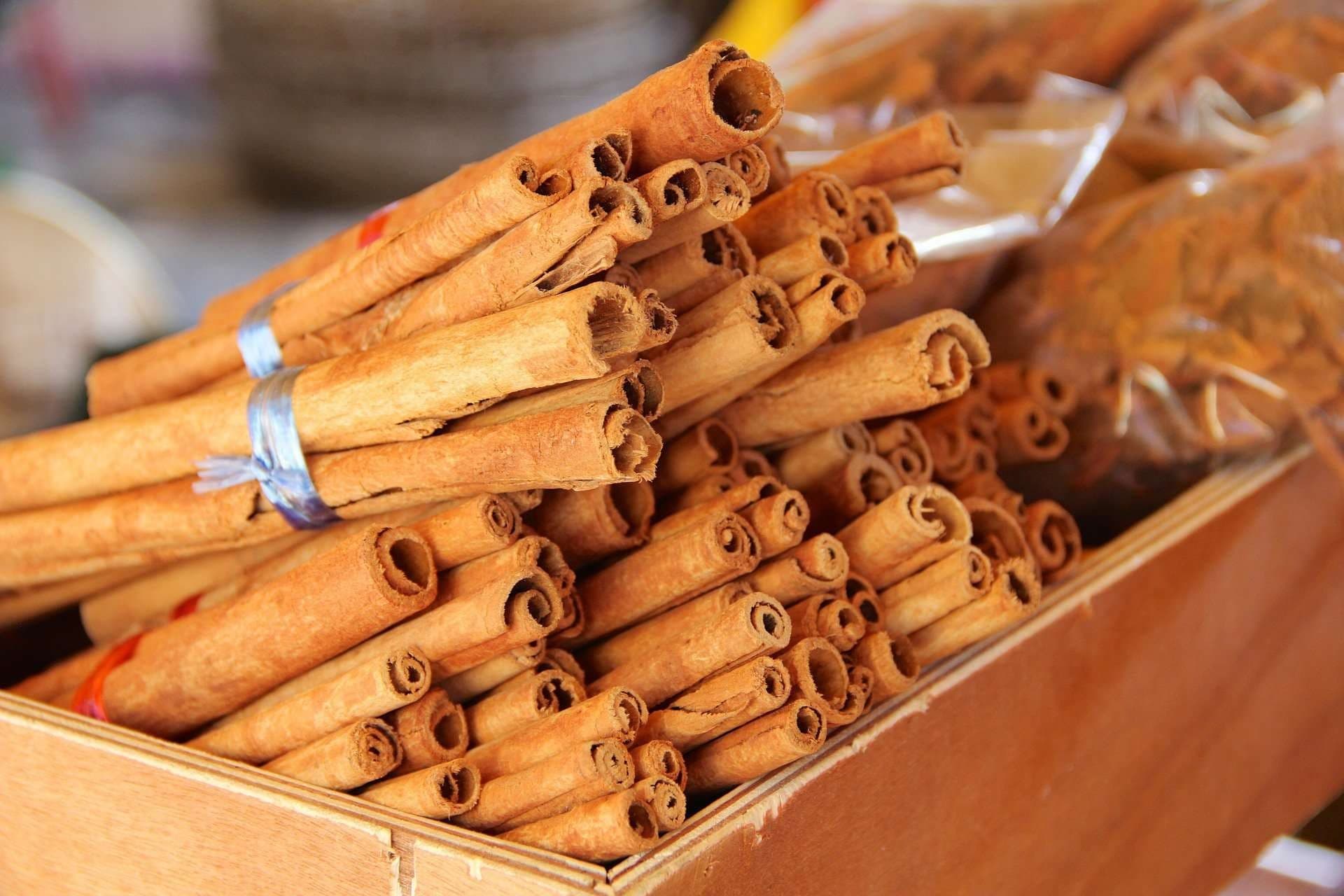
A quality cinnamon stick usually has:
Dark reddish-brown color
Mold-free surface
A natural, light oily layer
A distinct spicy aroma when held in hand
These are the signs that help distinguish good cinnamon from lower-quality types on the market.