Cinnamon is one of the most popular spices and medicinal herbs used in daily life. Cinnamon appears in many dishes, and is also used to brew tea, make essential oils, process medicinal ingredients, and produce health care products. Due to increasing demand, the market now sees many low-quality or adulterated cinnamon products, making it difficult for consumers to choose.
Knowing how to distinguish real from fake cinnamon helps ensure product quality and protects consumer health. Below are some simple ways to help consumers identify real cinnamon on the market.
Some signs to identify authentic cinnamon
1. Identify by scent
Scent is the easiest sign to recognize real cinnamon.
High-quality cinnamon, especially cinnamon with a high essential oil content, often has a strong, warm, and quickly spreading aroma as soon as the packaging is opened or a stick of cinnamon is broken. The scent of real cinnamon feels natural, pleasant, and lingers for a long time.
Conversely, fake or low-quality cinnamon often has a faint scent, lacks depth, or has an unusual pungent smell due to the use of artificial fragrances. Some products, if stored for a long time, will quickly lose their aroma or develop a musty smell due to improper storage.
For powdered cinnamon, if you don't perceive the characteristic aroma or if the aroma is too strong when opening the package, consumers should consider the product's quality.
2. Observe the color and shape of cinnamon
Besides the scent, the external appearance also helps to identify the quality of cinnamon to some extent.
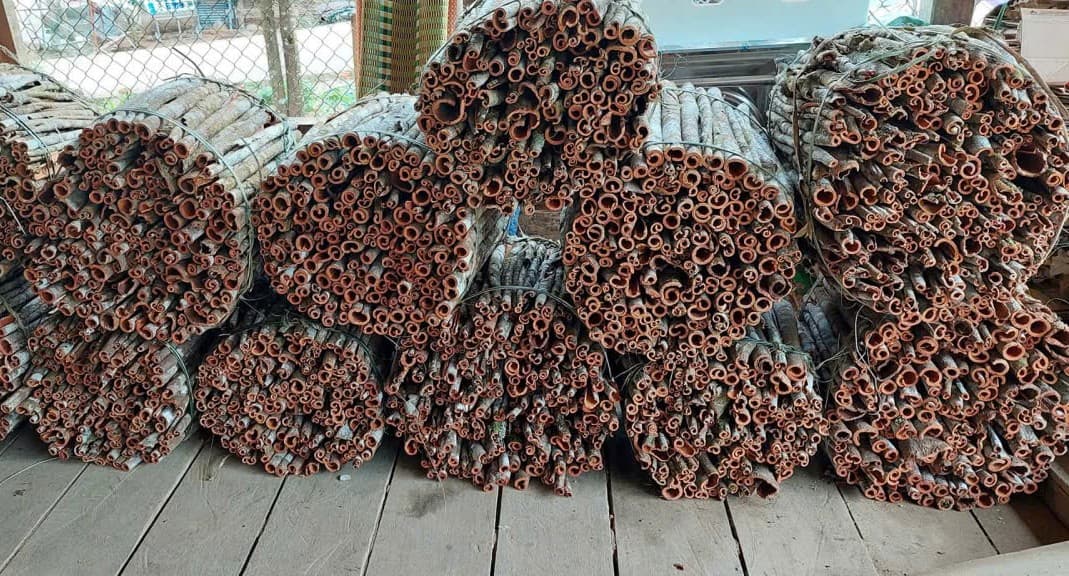
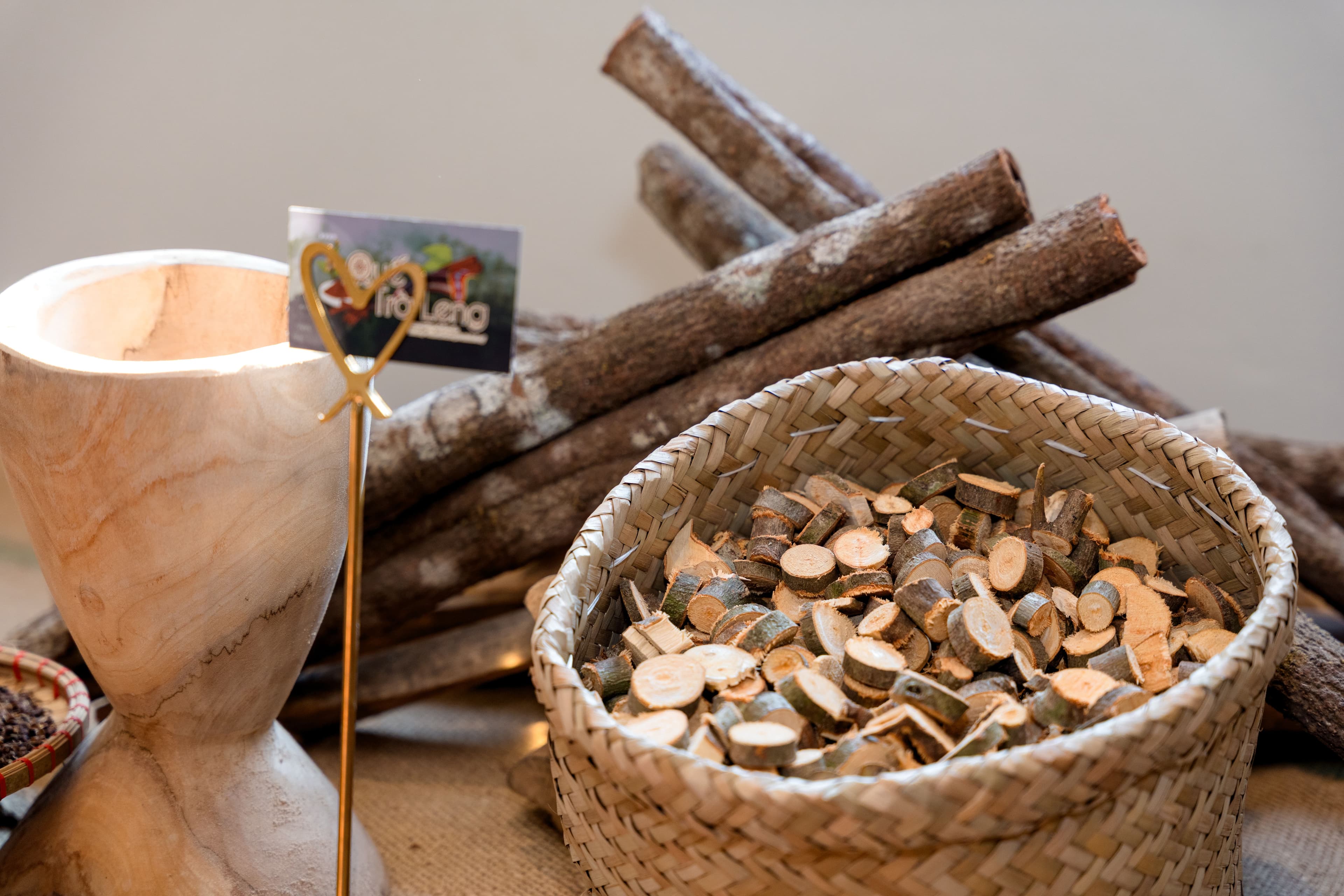
For cinnamon sticks or quills, real cinnamon bark usually has a relatively thick texture, with a natural reddish-brown or dark brown color. The surface of the cinnamon bark has many rolled layers, and when cut across, the essential oil concentrated inside can be seen.
When breaking real cinnamon, the broken surface often has a uniform color and emits a distinct aroma. The cinnamon stick is hard but not too brittle, with a certain flexibility due to its natural essential oil content.
In contrast, low-quality cinnamon often has uneven color, thin bark, is easily crumbly, or too dry. Some types are even dyed to mimic real cinnamon but lack the corresponding aroma.
3. Check the natural essential oil content
Essential oil is the factor that determines the value of cinnamon.
High-quality cinnamon usually contains a high essential oil content. When lightly scratching the surface with a fingernail or breaking a cinnamon stick in half, users can perceive a stronger aroma at the point of impact.
For powdered cinnamon, when mixed with hot water, real cinnamon will release a distinct aroma that lasts for a long time. If the product has almost no smell or the smell dissipates quickly after a few minutes, it is likely of low quality or has been adulterated.
Many experienced consumers often prioritize cinnamon with high essential oil content because this factor reflects the true quality and value of the product.
Be cautious with cheap powdered cinnamon
Powdered cinnamon is the most difficult product form to distinguish between real and fake because it has undergone a fine grinding process. Currently, there are powdered cinnamon products on the market that are mixed with wood powder, bark powder, or other ingredients to reduce costs. This makes it difficult for consumers to assess quality with the naked eye.
When choosing powdered cinnamon, prioritize products with clear origins, fully packaged with information about the manufacturer, raw material area, and shelf life. In addition, the color of real cinnamon powder is usually natural golden-brown or reddish-brown, not unusually dark or too light.
Choosing products from cinnamon regions with established brands and geographical indications is also a way to help reduce the risk of buying low-quality goods.
Choose cinnamon with clear origins
Currently, one of the most effective ways to avoid buying fake cinnamon is to choose products from reputable raw material areas and reliable manufacturers.
Products with clear origins, quality controlled from cultivation to processing, usually ensure higher essential oil content, safety, and usability. Products certified OCOP, with geographical indications, or transparent traceability information also help consumers feel more secure when choosing.
Thus, distinguishing real and fake cinnamon plays an important role in its use. By paying attention to the scent, color, essential oil content, and product origin, consumers can completely choose high-quality, safe cinnamon products that provide the best use value.