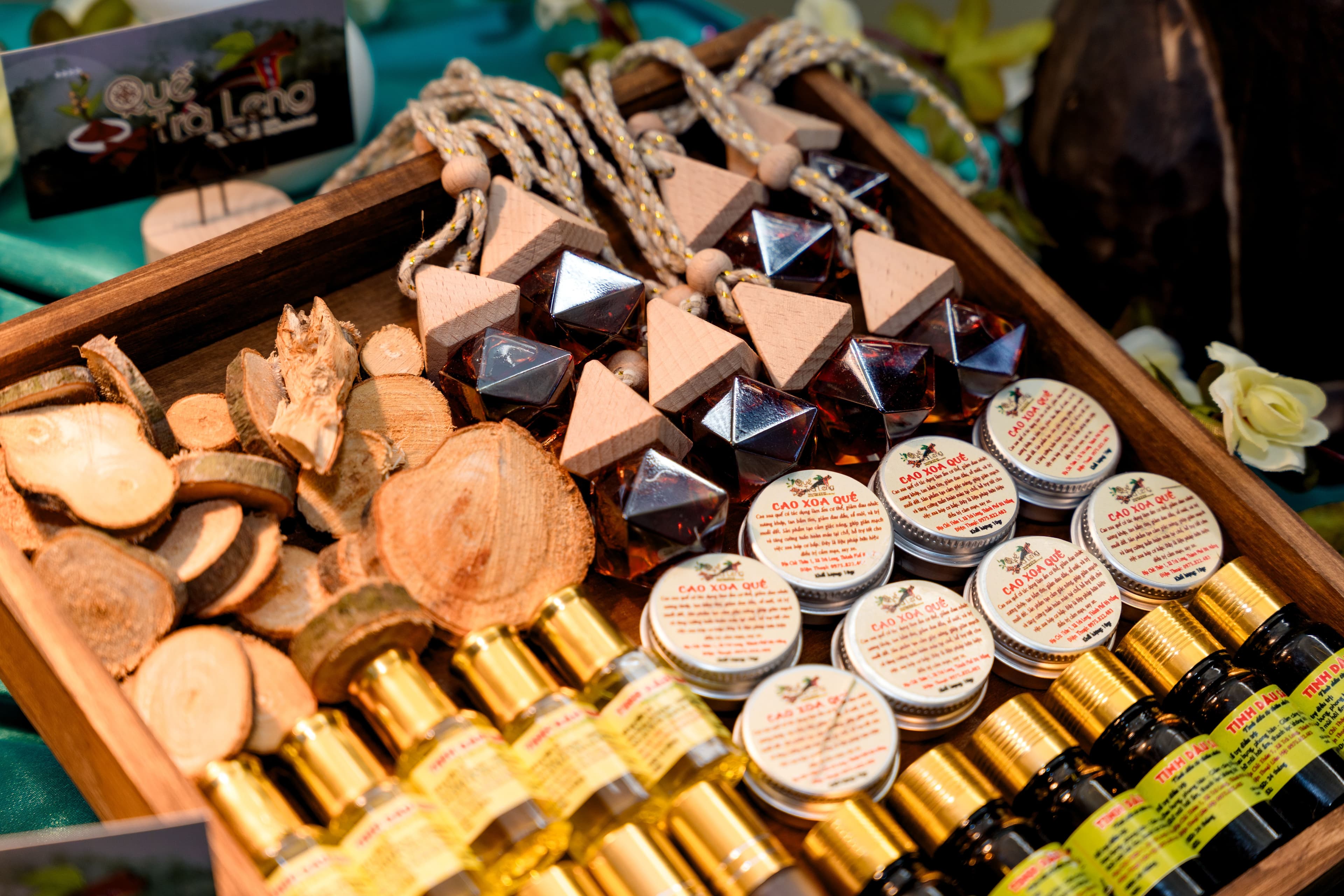
The “One Commune One Product” (OCOP) program is becoming one of the most systematic and sustainable rural economic development policies in Vietnam. Beyond merely standardizing agricultural products, OCOP is viewed as a development model based on local strengths, combining economy, culture, and indigenous knowledge. For Trà Leng—a mountainous region rich in forest resources and cultural identity—OCOP opens an important path, helping to transform traditional values into measurable economic values that can be expanded in the market.
Starting from a foundation of forest-based products such as cinnamon, honey, medicinal herbs, and local specialties, Trà Leng is gradually integrating deeper into the OCOP value chain. This process not only enhances the economic value of the products but also contributes to reshaping production methods, market thinking, and the organizational capacity of the local community. More importantly, OCOP is creating a mechanism for the traditionally self-sufficient values of the highlands to integrate into the commodity economy in a professional and sustainable manner.
OCOP contributes to elevating the value of local products
In previous years, most products from Trà Leng were produced on a household scale, characterized by small volumes and primarily serving narrow exchange needs. Despite the advantage of natural quality, especially forest products like cinnamon and honey, the economic value of these products had not been exploited to their full potential due to a lack of standardization, branding, and distribution systems.
The OCOP program has created a clear framework of standards, helping producers gradually approach a modern commodity production mindset. Through evaluation criteria such as product quality, food safety, traceability, packaging and labeling, and marketability, OCOP compels production facilities to comprehensively upgrade everything from technical processes to product management. This is a structural transformation that changes not only the final output but also the way production is organized at the community level.

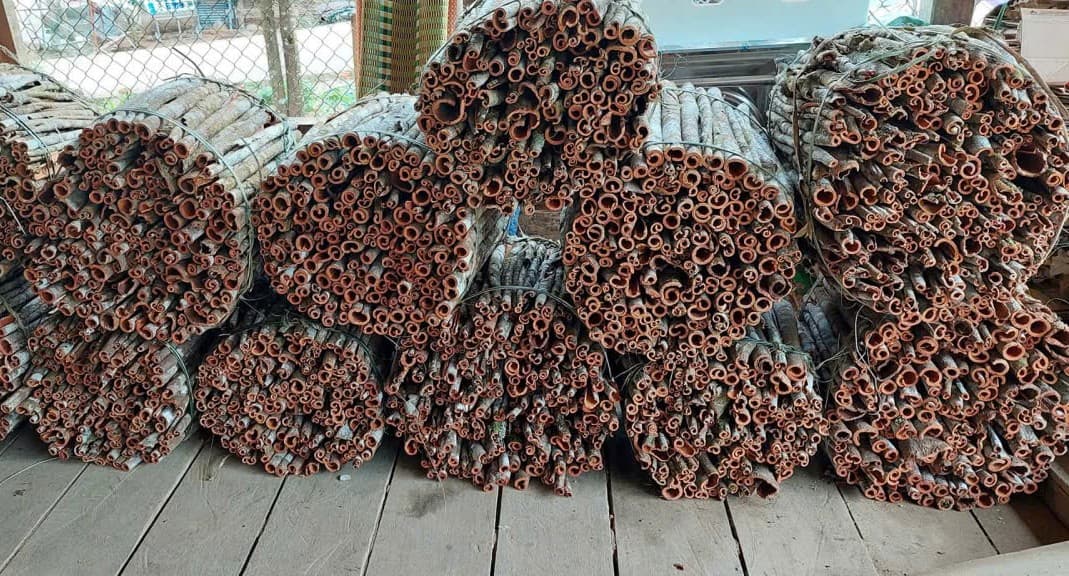
Currently, several typical products from Trà Leng, such as cinnamon sticks, cinnamon essential oil, and forest honey, have been recognized as meeting OCOP standards. Being OCOP-rated is not just a certification of quality but also a form of "repositioning" the product in the market. Products are no longer seen merely as raw commodities but as products with a story, a clear origin, and higher added value.
From a development economics perspective, upgrading products according to OCOP standards helps shift value from "quantity" to "quality and brand." This is particularly important for mountainous areas like Trà Leng, where the competitive advantage lies not in large-scale production but in the uniqueness of resources and indigenous knowledge. As product value increases, residents' incomes are improved in a more stable and sustainable direction, gradually reducing dependence on the extraction of raw resources.
From OCOP products to market expansion opportunities
One of the most significant impacts of OCOP is the expansion of the market space for local products. While Trà Leng's products were previously consumed mainly within the district or through intermediary traders, OCOP has now created a "gateway" for products to reach larger markets at the provincial, regional, and even national levels.
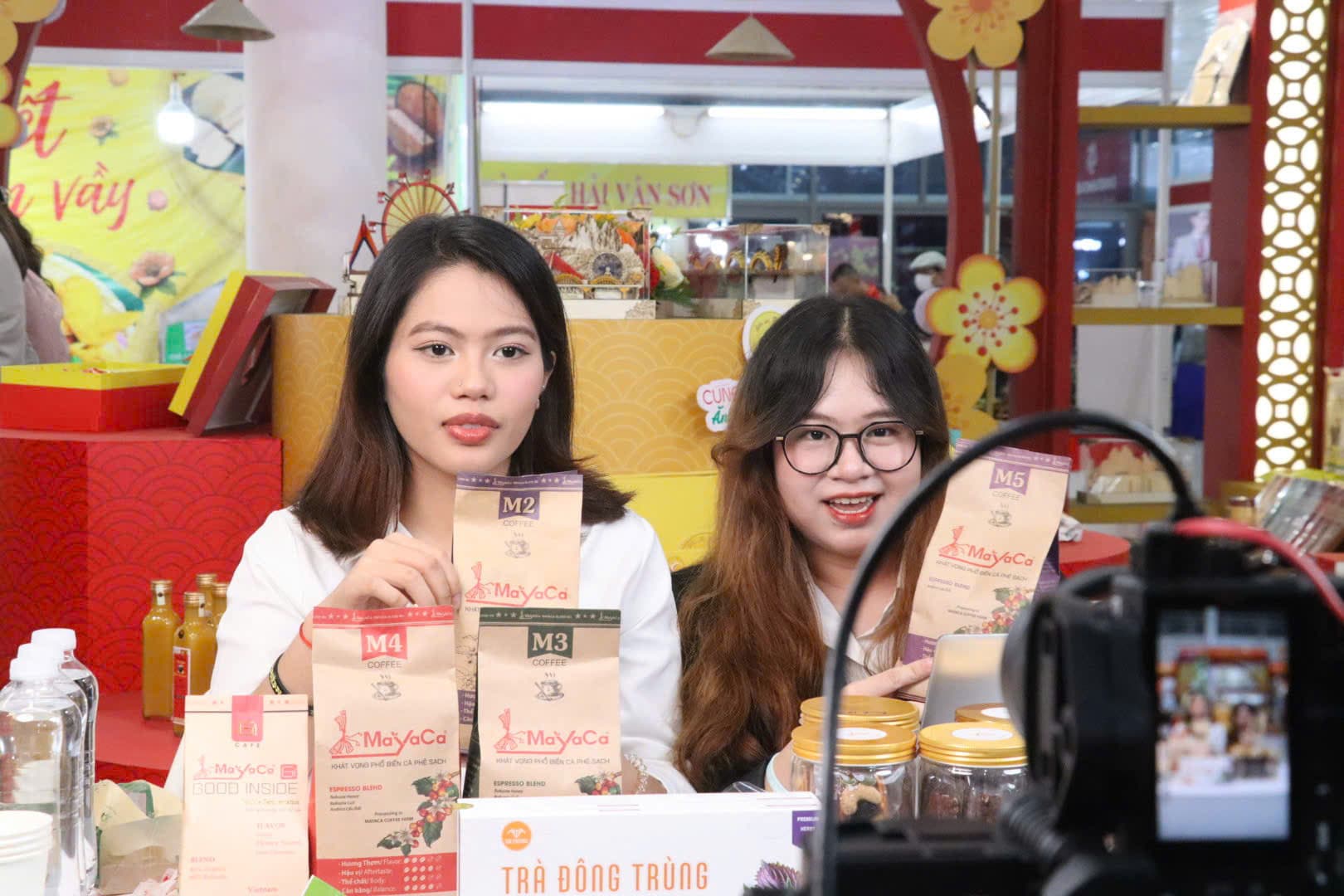
Through trade promotion activities, agricultural fairs, supply-demand connection programs, and promotional events organized by Da Nang city and relevant agencies, Trà Leng's OCOP products have the opportunity to directly reach distribution enterprises, supermarket systems, and urban consumers. This is a crucial transition from a traditional sales model to an open market model, where products must compete based on quality, brand, and the ability to meet modern consumer needs.
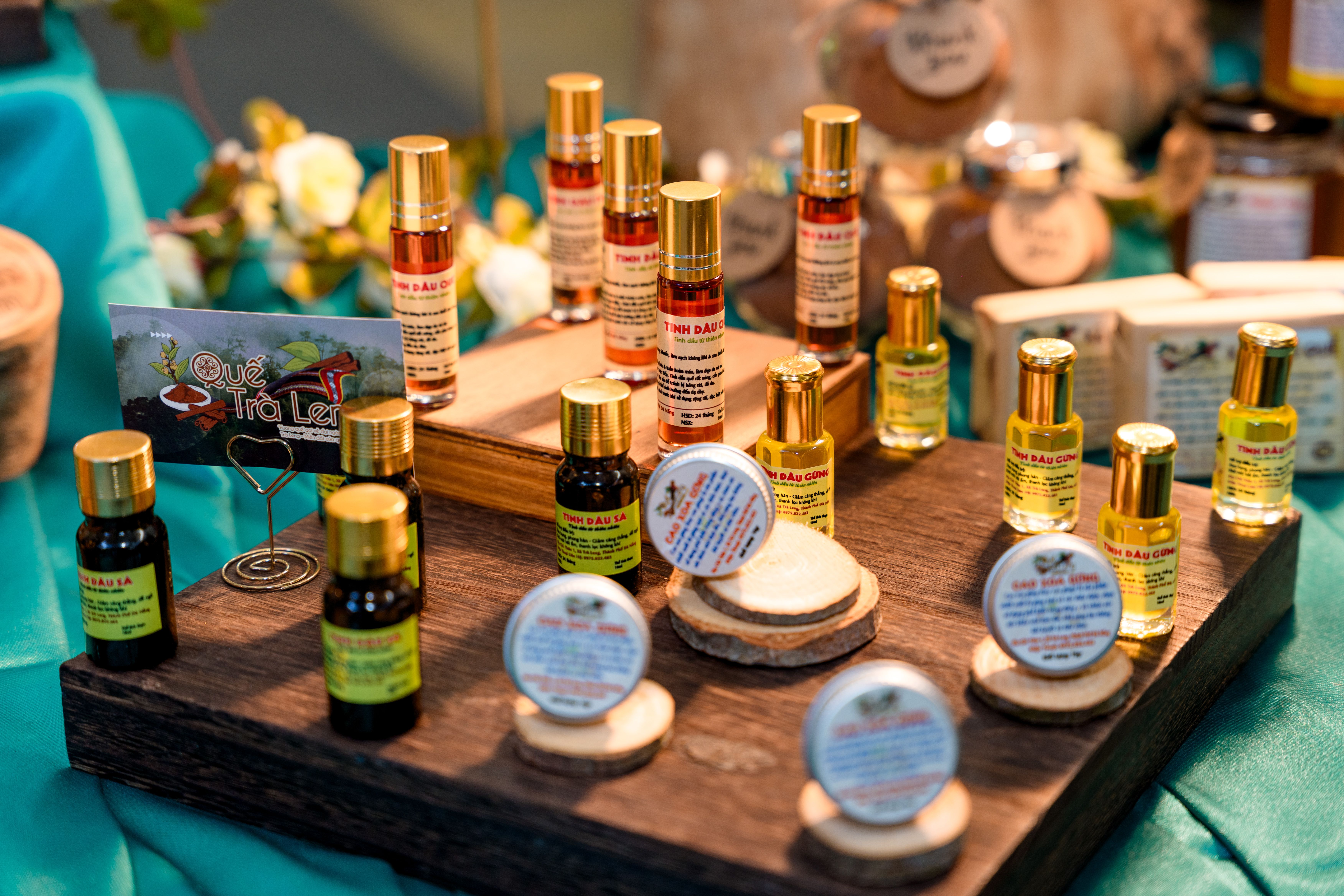
Additionally, the growth of e-commerce is creating a promising new distribution channel. Bringing OCOP products onto digital platforms not only helps reduce intermediary costs but also shortens the geographical distance between the production area and the consuming market. For Trà Leng, this is especially meaningful as the mountainous terrain has traditionally been a major barrier to logistics and goods distribution.
For the cinnamon product group, OCOP also opens the possibility for deep development along the value chain. Instead of selling only raw cinnamon, the locality can develop deeply processed products such as essential oils, cinnamon powder, healthcare products, medicinal materials, and tourism gifts. This direction aligns with modern consumer trends while optimizing the value of forest resources in a more sustainable way.
OCOP creates a foundation for economic development linked to local identity
One of the core values of OCOP is its ability to connect economic development with the preservation of cultural identity. Each OCOP product is not just an economic commodity but also a "cultural representative" of the locality, reflecting natural conditions, production customs, and community knowledge.
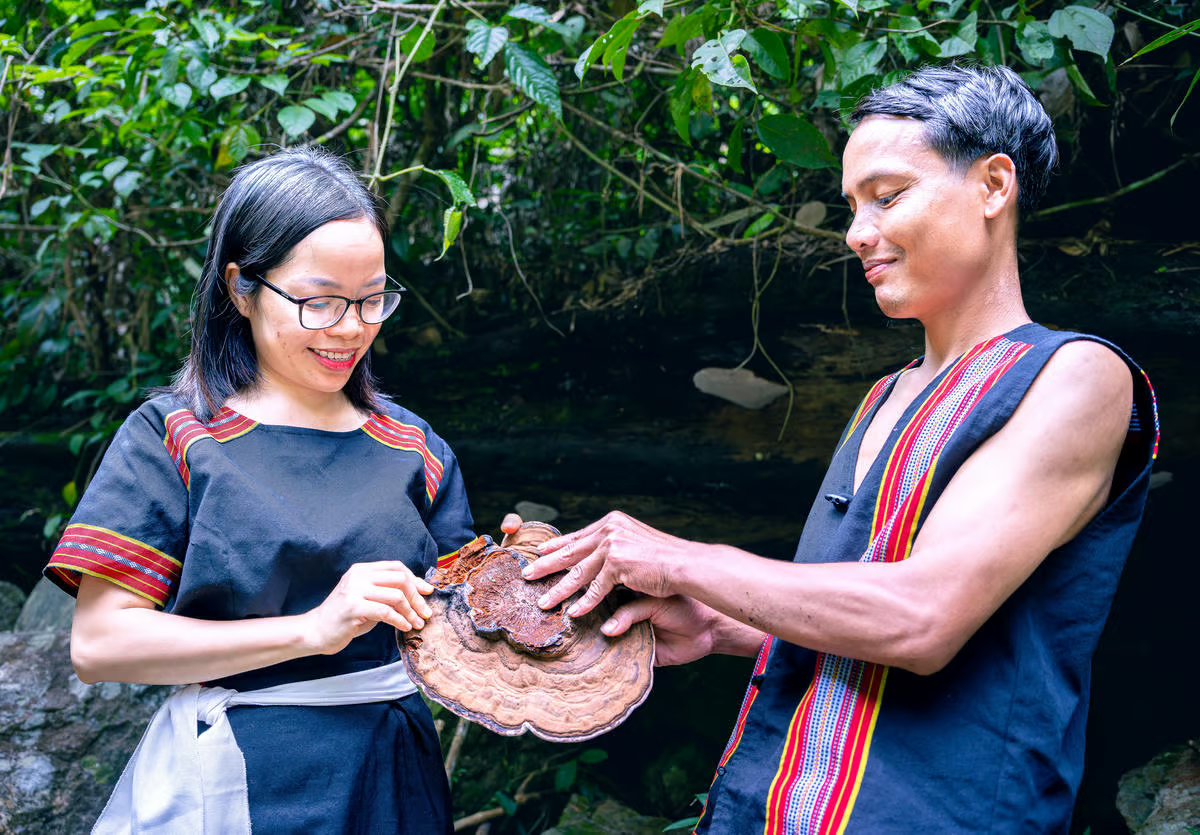
For Trà Leng, this is clearly demonstrated through products derived from cinnamon forests, honey, and medicinal herbs. Each product is linked to a specific natural ecosystem and a system of indigenous knowledge accumulated over many generations. When these elements are integrated into OCOP products, the value lies not only in the product's utility but also in its cultural value and story of origin.
In the context of the growing trend of community-based tourism, OCOP products also serve as a bridge between tourists and the locality. Products brought home after a trip are not just consumer goods but "material memories" of the land experienced. This helps increase the ripple effect of the products and simultaneously promotes the development of tourism linked to agriculture and indigenous culture.
In the future, as the OCOP ecosystem in Trà Leng continues to expand and upgrade, the locality will have the conditions to form an integrated development model combining agriculture, forestry, tourism, and services. This is a direction consistent with sustainable development trends, where economic growth goes hand-in-hand with environmental protection and the preservation of cultural identity.
OCOP is therefore not just a product development program, but a regional development strategy based on internal strengths. For Trà Leng, this is the opportunity to transform potential into real value, bringing the treasures of the great forest to a wider market while maintaining the unique identity of a land rich in tradition and development potential.