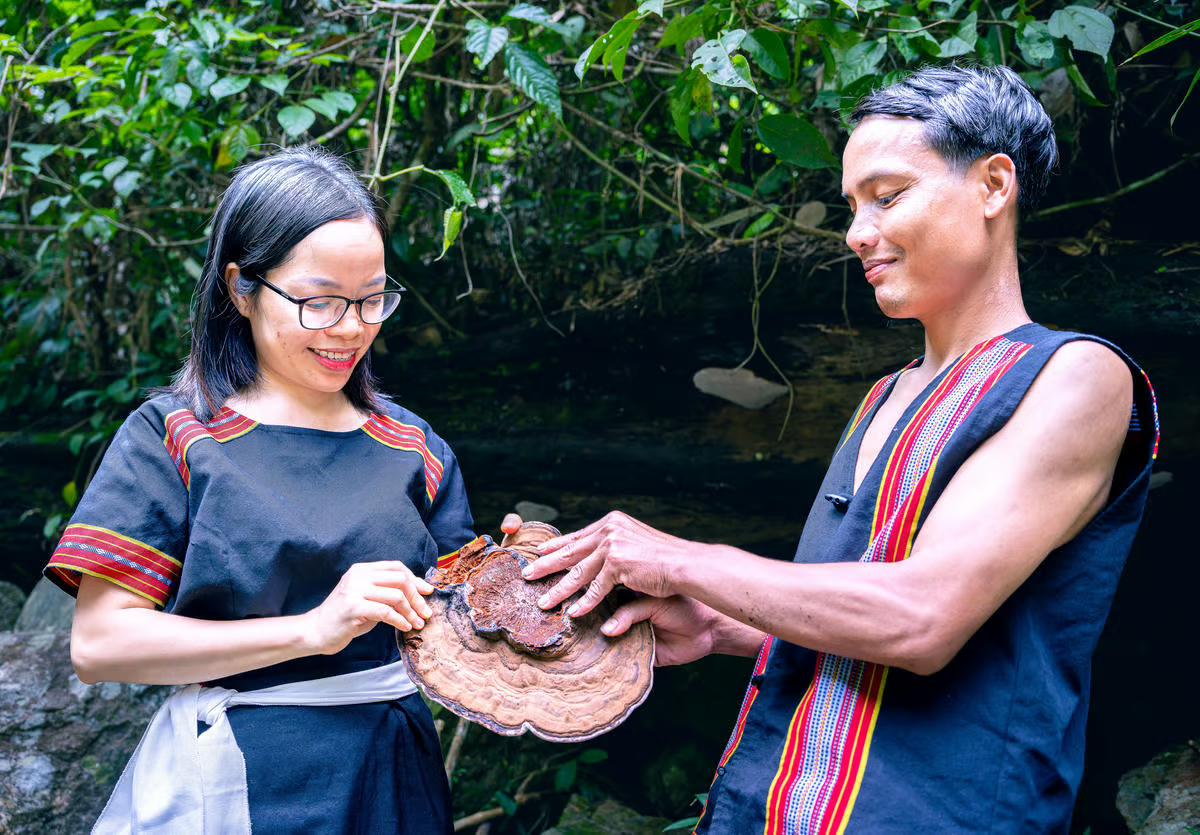
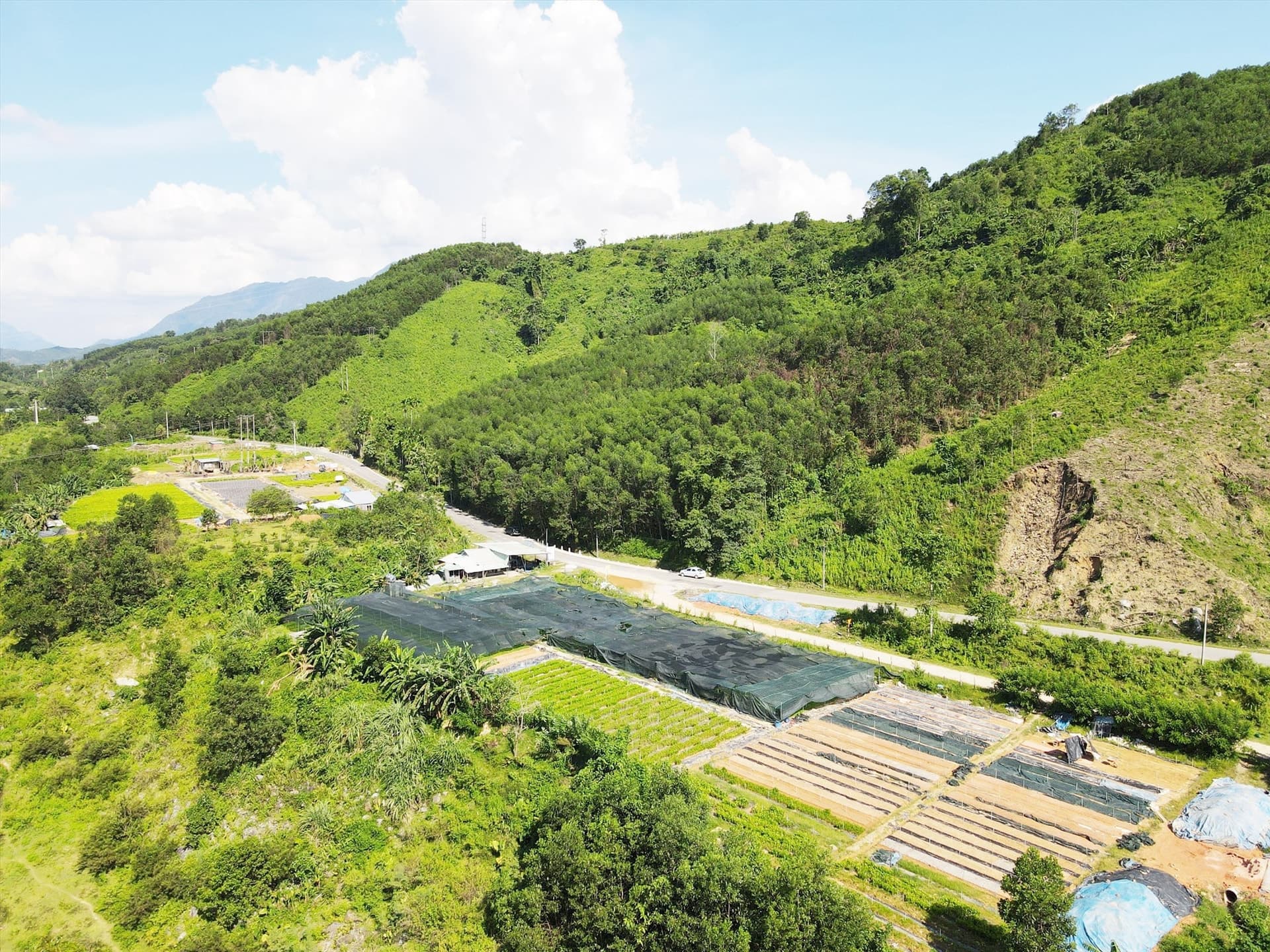
Amidst the mountains of Tra Leng, many traditional crafts are still maintained by the people as an indispensable part of daily life. Each craft not only generates income but also preserves production experiences, living customs, and indigenous knowledge passed down through many generations. From cinnamon cultivation, Ngoc Linh ginseng farming to traditional weaving, all contribute to the unique identity of this land.
Cinnamon cultivation – a long-standing livelihood for the people of Tra Leng
Cinnamon is one of the plants that has been associated with the people of Trà Leng for a long time. Thanks to suitable climate and soil conditions, cinnamon trees thrive and become an important source of income for many households.
From selecting seeds, planting trees to caring for and harvesting, all require experience accumulated over many years. People often choose suitable hillside areas to plant cinnamon, while applying traditional care methods to help the trees grow healthy.
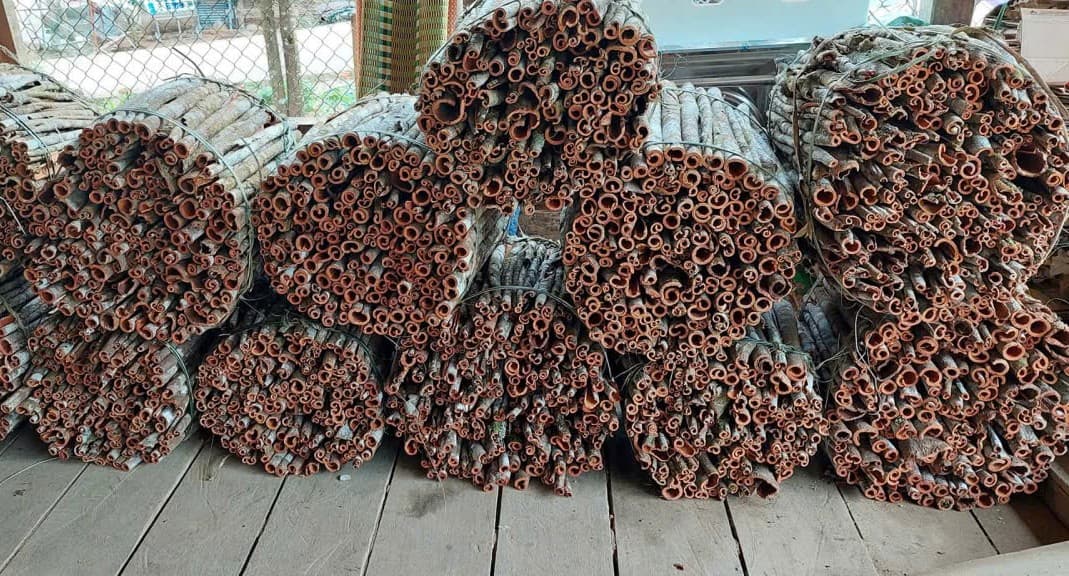
When it reaches harvesting age, the cinnamon bark is carefully peeled to ensure quality. In addition to cinnamon bark, many other parts of the tree are also utilized for production and processing. Thanks to its stable economic value, cinnamon cultivation has contributed to improving the lives of many local families.
Not only does it have economic significance, but the cinnamon forests are also associated with the memories and lives of many generations of Trà Leng people. Therefore, maintaining cinnamon cultivation is also a way to preserve a part of this land's identity.
Ngoc Linh Ginseng cultivation – the pride of the high mountains
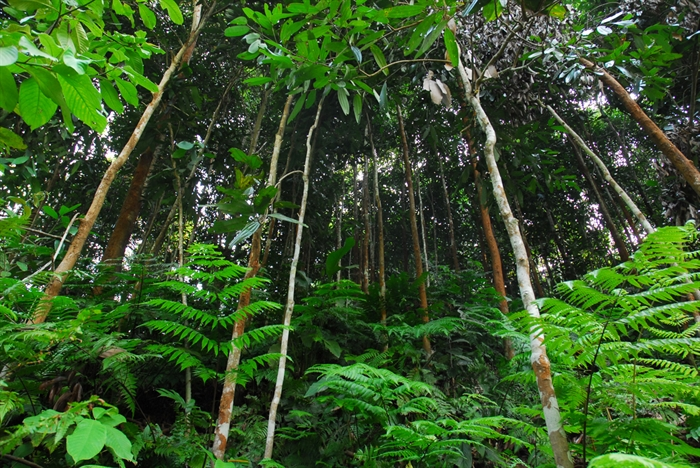
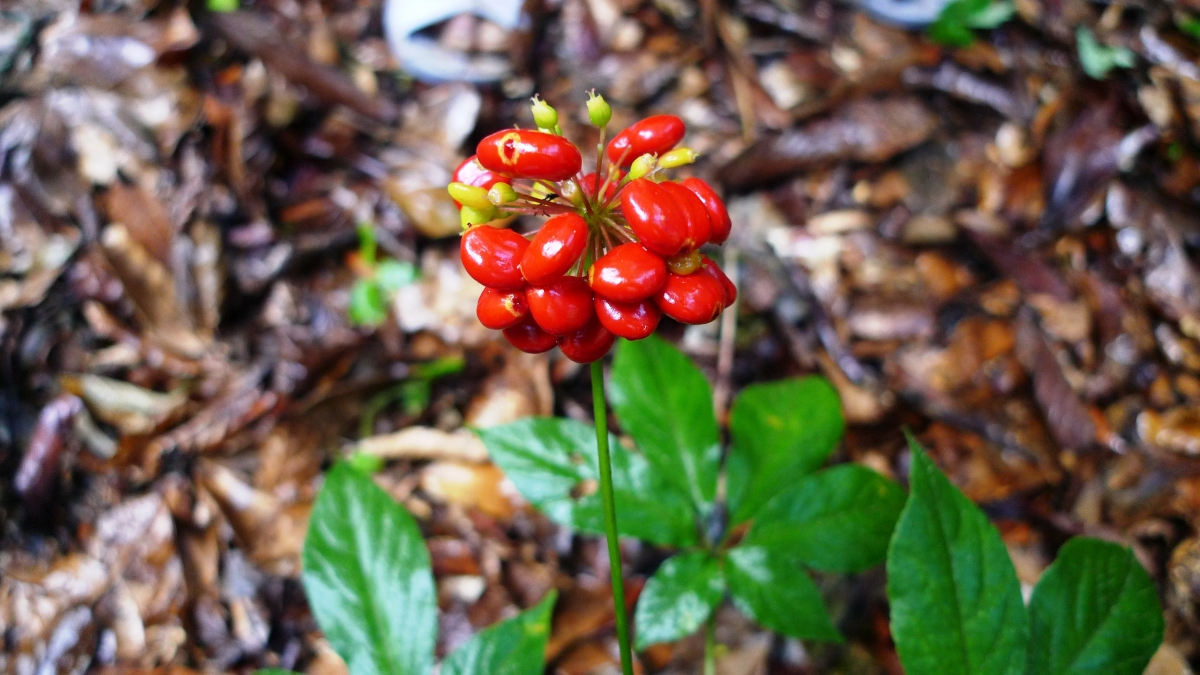
Ngoc Linh ginseng is considered one of the precious products of the mountainous region of Quang Nam. In Tra Leng, ginseng cultivation is being developed by many households under the natural forest canopy. Unlike many other crops, Ngoc Linh ginseng requires very specific growing conditions. The plant needs a high humidity environment, stable temperature, and a well-protected forest ecosystem.
Therefore, people not only learn how to grow ginseng but also have to preserve the forest to ensure the plant's development conditions. The process of caring for ginseng requires patience because the plant needs many years to be harvested. During that time, growers must regularly check and protect the plants from environmental impacts and pests.
Today, Ngoc Linh ginseng cultivation not only brings economic value but also contributes to raising awareness about forest protection and sustainable development. This is also one of the crafts that is creating a unique mark for Trà Leng on the tourism and agricultural map of the region.
Weaving – the handcrafted beauty of the highland people
In addition to forest-related crafts, traditional weaving is still maintained by many people in Tra Leng. This is a handicraft that uses readily available natural materials such as bamboo, rattan, and lồ ô (a type of bamboo).
From the skillful hands of artisans, simple materials are transformed into many products for daily life such as back baskets (gùi), winnowing trays (nia), sieves (nong), baskets (rổ, sọt), and other labor tools. Each product goes through many stages from selecting raw materials, splitting strips, processing materials, to completing the weaving.
In the daily life of the highland people, the gùi (back basket) is a familiar and particularly important item. Gùi are used to carry agricultural products, firewood, food, and many other items in daily activities. Therefore, the technique of weaving gùi is always considered a traditional skill that needs to be preserved.
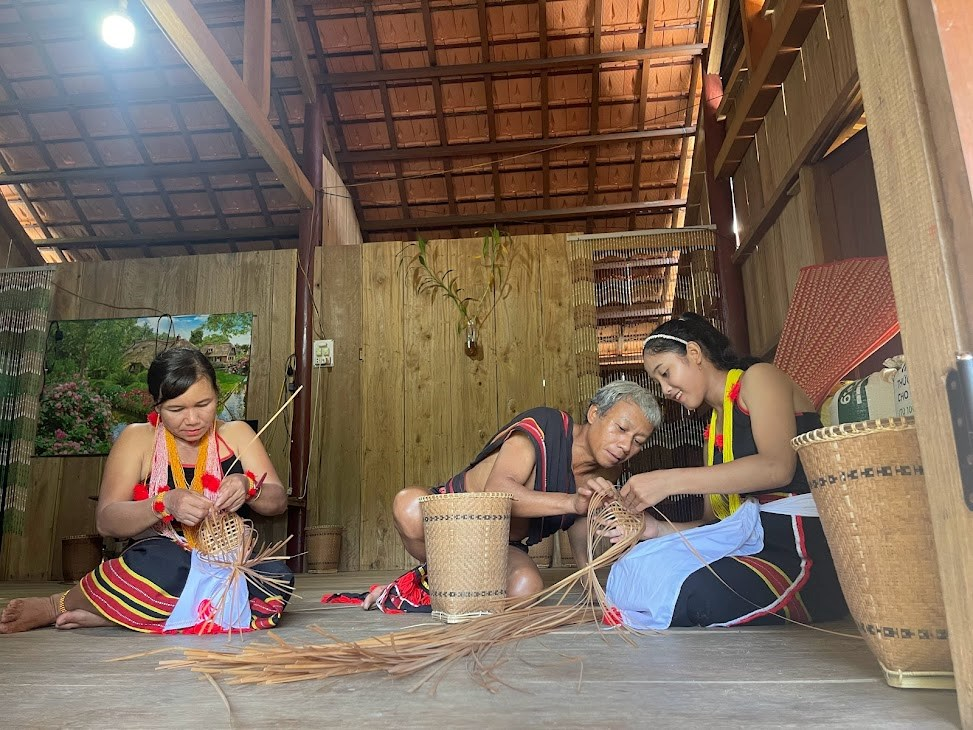
Today, even though industrial products are increasingly popular, many families still maintain weaving as a way to preserve ethnic culture. Elders often teach techniques to their children and grandchildren so that the craft does not fade away over time.
Preserving traditional crafts is preserving Tra Leng's cultural identity
Each traditional craft in Trà Leng is associated with the history of formation and development of the local community. Cinnamon cultivation reflects long-standing farming experience, Ngoc Linh ginseng cultivation demonstrates a close connection with the forest, and weaving preserves the skill and creativity of the highland people.
In the context of modernization, preserving traditional crafts not only helps create livelihoods but also contributes to maintaining the unique cultural values of the locality. Through community activities, product promotion programs, and experiential tourism development, many traditional crafts are getting more opportunities to continue to exist and develop.
These crafts, passed down from generation to generation, are proof of the enduring vitality of Tra Leng's culture. Preserving traditional crafts today is also a way to protect precious values for future generations.