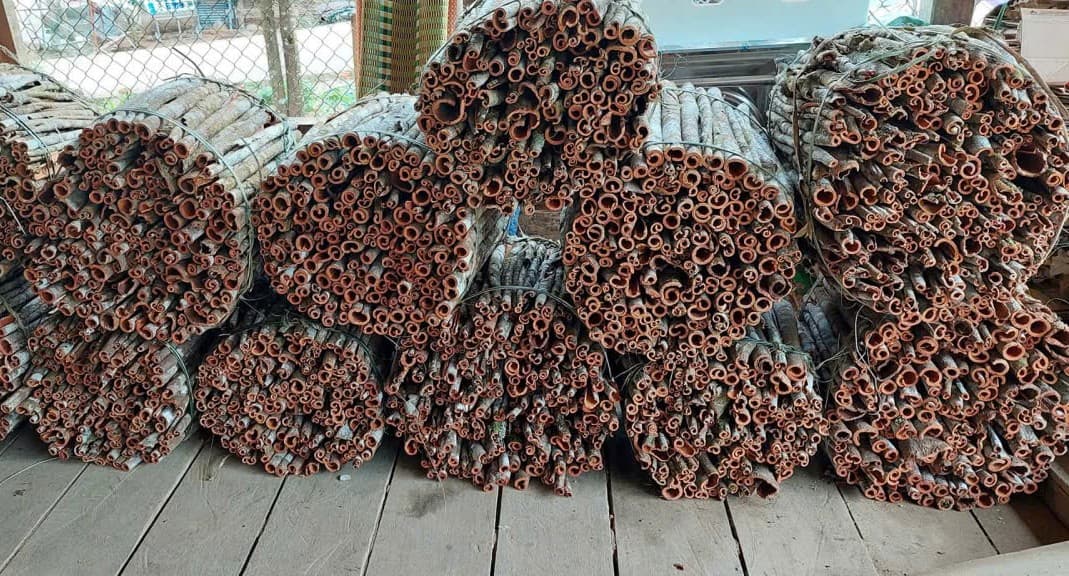
When mentioning Quế Trà Leng, many people immediately think of its thick, fragrant, and economically valuable cinnamon bark. However, for the highlanders of Trà Leng, the cinnamon tree not only provides income from its bark, but almost every part of the tree can be utilized for production and daily life.
From cinnamon leaves and branches to cinnamon wood, each part of the tree holds unique value, contributing to economic efficiency and creating additional livelihoods for local people.
Cinnamon leaves – a raw material for essential oil production
After tending, pruning, or harvesting cinnamon, the leaves are often collected by local people for essential oil production. This is an abundant raw material because cinnamon trees can be harvested for leaves periodically throughout their growth without significantly affecting the tree's development.
Cinnamon leaves contain natural essential oil with the characteristic warm and strong fragrance of Quế Trà Leng. Through steam distillation, essential oil is extracted from the leaves and used in various fields. Thanks to the increasing demand for natural products, cinnamon essential oil is becoming one of the products with the potential to increase value for the local cinnamon industry.
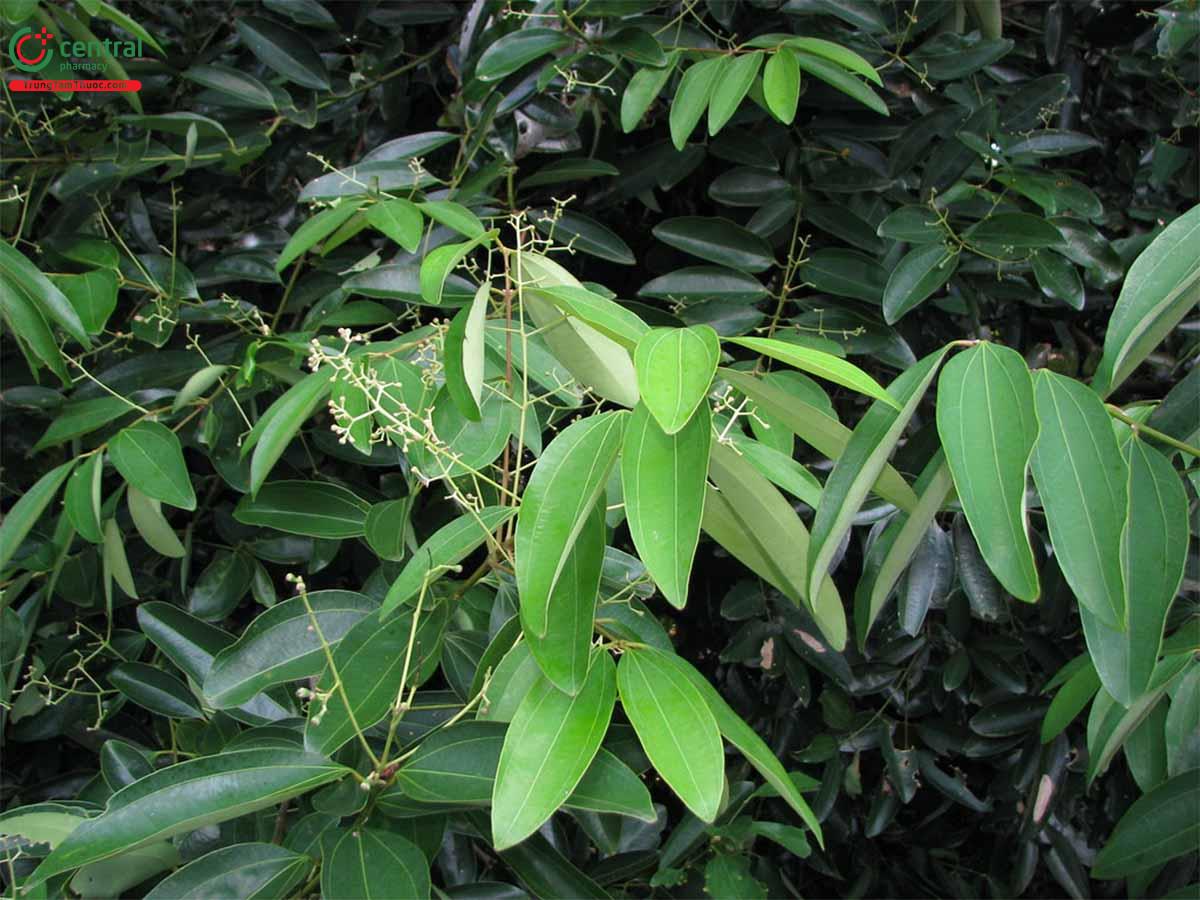
Not only does it provide additional income, but utilizing cinnamon leaves also helps improve the overall efficiency of cinnamon tree exploitation. Instead of relying solely on income from cinnamon bark after many years of care, people can create additional economic value from other parts of the tree throughout the cultivation cycle. This contributes to reducing waste of raw materials, increasing resource utilization efficiency, and moving towards a more sustainable development model for the Quế Trà Leng region.
How are cinnamon branches and by-products utilized?
In addition to cinnamon leaves, branches and by-products generated during exploitation are also utilized by local people to create additional economic value.
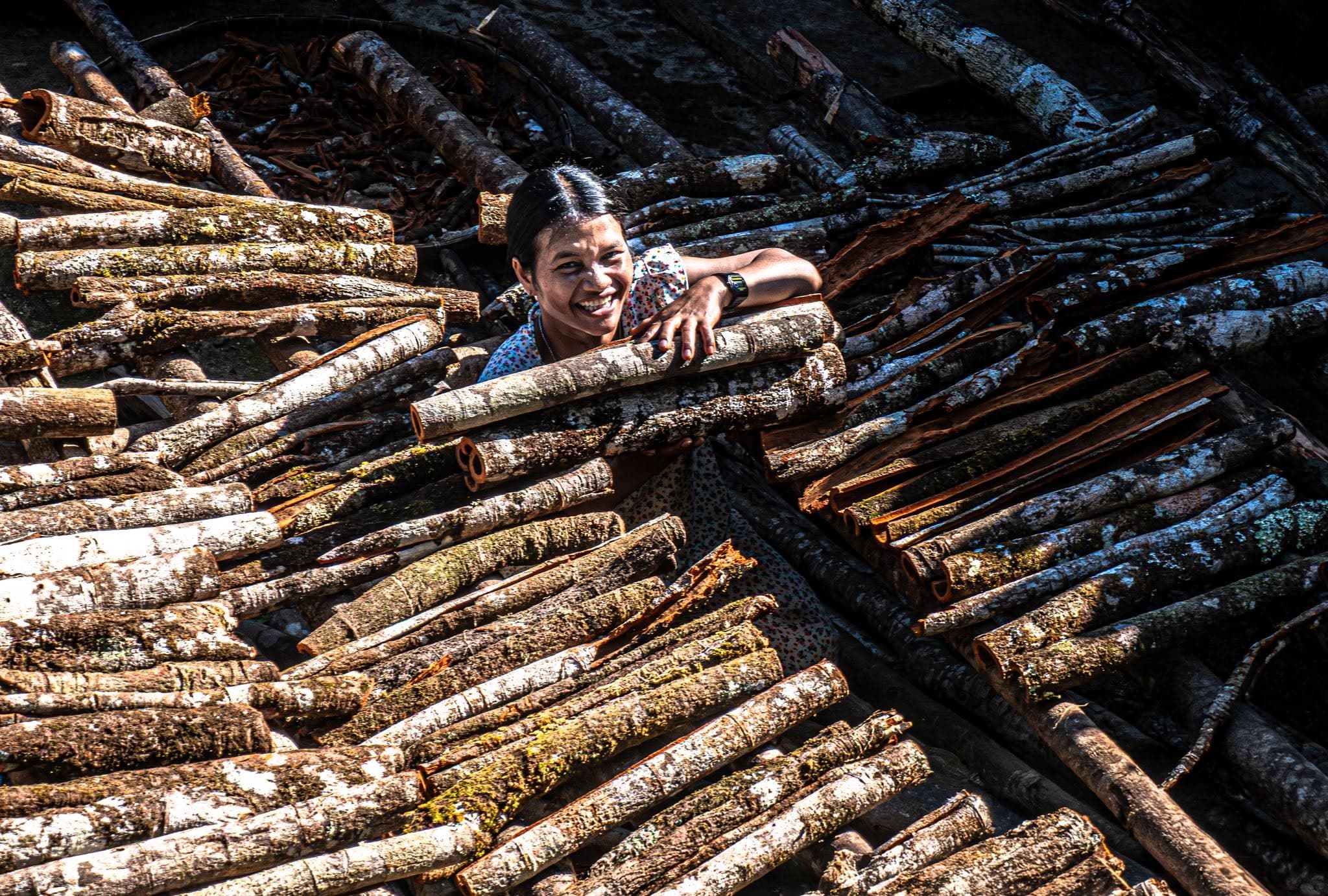
After debarking, small cinnamon branches and tree tops are often collected instead of being discarded as before. This is a raw material containing natural essential oil, which can be used in the distillation process to create cinnamon products. As a result, people have an additional source of income from parts that were previously considered by-products during exploitation.

Besides, some cinnamon branches are also used as fuel or for local daily needs. Maximizing the use of all parts of the tree helps reduce waste after harvest, while increasing the efficiency of resource utilization on the same area of cinnamon cultivation.
In recent years, along with the trend of economic development under forest canopy and increasing the value of agricultural products, many localities have paid more attention to the comprehensive exploitation of cinnamon trees. Instead of focusing only on the bark – a traditional product that brings high value, people and production facilities are gradually researching and utilizing leaves, branches, and other by-products to form a more complete value chain for the Quế Trà Leng cinnamon tree. This not only contributes to increasing income for cinnamon growers but also aims for the sustainable development of indigenous resources.
Cinnamon wood opens up many new values
After many years of growth, the cinnamon trunk also provides a significant source of valuable wood. Unlike many forest trees that are only partially exploited, after debarking, the cinnamon tree trunk can still be utilized to create higher-value products.
Cinnamon wood has a beautiful natural color, a light characteristic fragrance, and unique grain patterns. Thanks to these characteristics, cinnamon wood is used to craft handicrafts, souvenirs, decorative items, and many products imbued with local cultural identity. For tourists, products made from cinnamon wood are not only souvenirs but also contribute to telling the story of the Trà Leng region and the traditional cinnamon cultivation of its people.
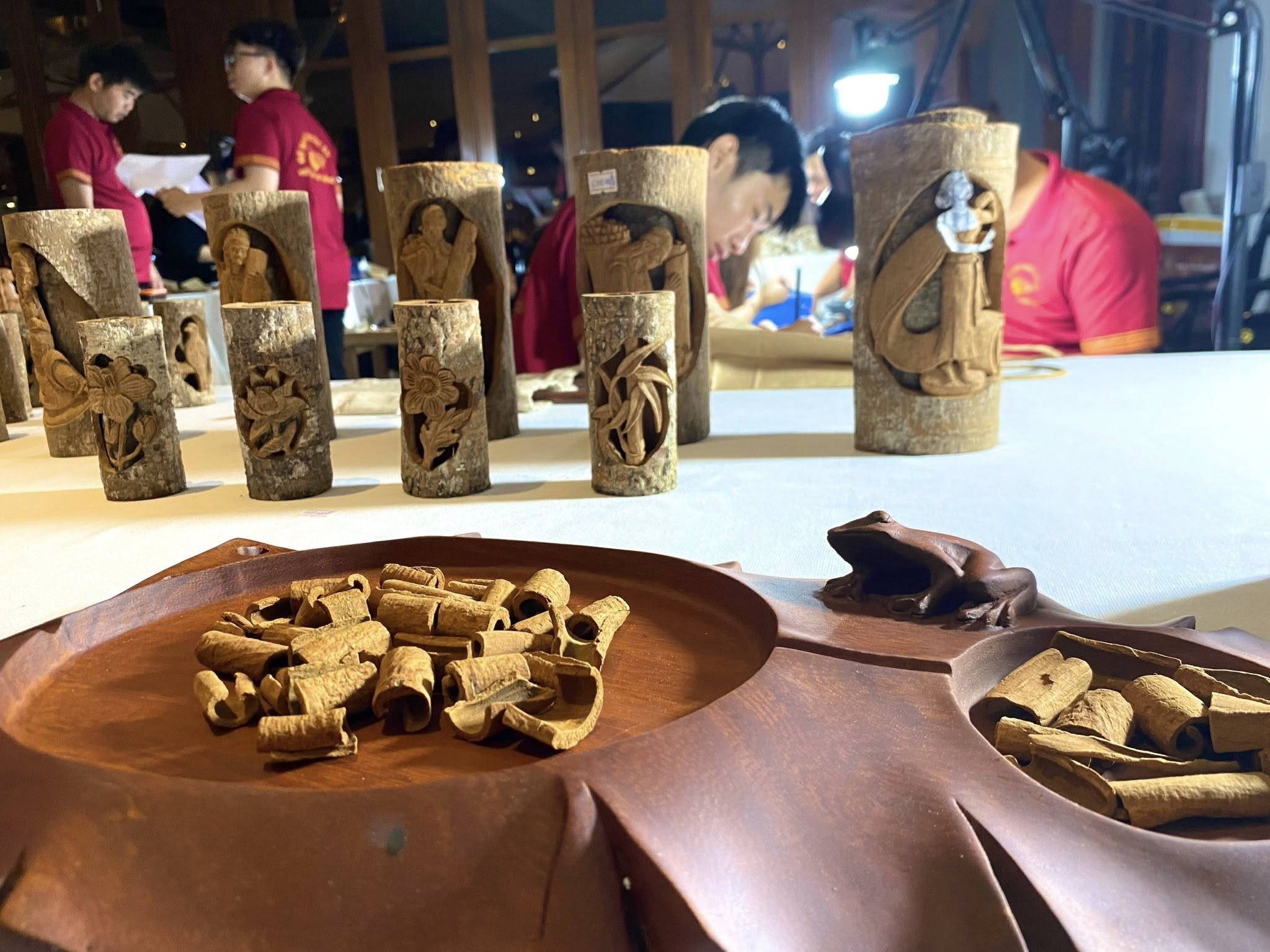
In addition to its utility value, the exploitation of cinnamon wood also helps extend the value chain of the cinnamon tree after harvest. Instead of only earning income from the bark, people can utilize additional raw materials from the tree trunk to create higher value-added products. This is considered a suitable development direction in the context that many localities are seeking to improve the economic efficiency of cinnamon trees and build characteristic products associated with indigenous resources.
Utilizing cinnamon wood not only helps increase the value of the cinnamon tree after harvest but also opens up opportunities to diversify products, create more jobs, and promote the development of related industries. This is also a direction that many hope will contribute to enhancing the brand value of Quế Trà Leng in the future.
Comprehensive exploitation to enhance the value of cinnamon trees
If in the past, the income from cinnamon trees for the people of Trà Leng mainly came from debarking, now, the mindset of exploitation has changed significantly. Instead of focusing on a single product, people and production units are gradually utilizing the value of the entire cinnamon tree, from leaves and branches to wood.
Exploiting cinnamon leaves for essential oil distillation helps create additional income during regular care and pruning. By-products such as small branches and fallen leaves after harvest are also utilized as raw materials for production instead of being discarded as before. This not only helps increase economic efficiency on the same area of cinnamon cultivation but also contributes to reducing resource waste.
Comprehensive exploitation of all parts of the cinnamon tree not only helps increase product value but also contributes to building a more sustainable production model. When every part of the tree is used effectively, cinnamon growers can increase their income, reduce pressure on resource exploitation, and gradually develop their economy based on local advantages.
For the people of Trà Leng, the cinnamon tree is not just a crop that provides a livelihood but also an asset associated with many generations. From the famous cinnamon bark to products created from cinnamon leaves, branches, and wood, each part of the tree is contributing to writing the next chapter of development for the cinnamon region amidst the vast mountains, affirming the value of a specialty plant that has become the pride of the locality.