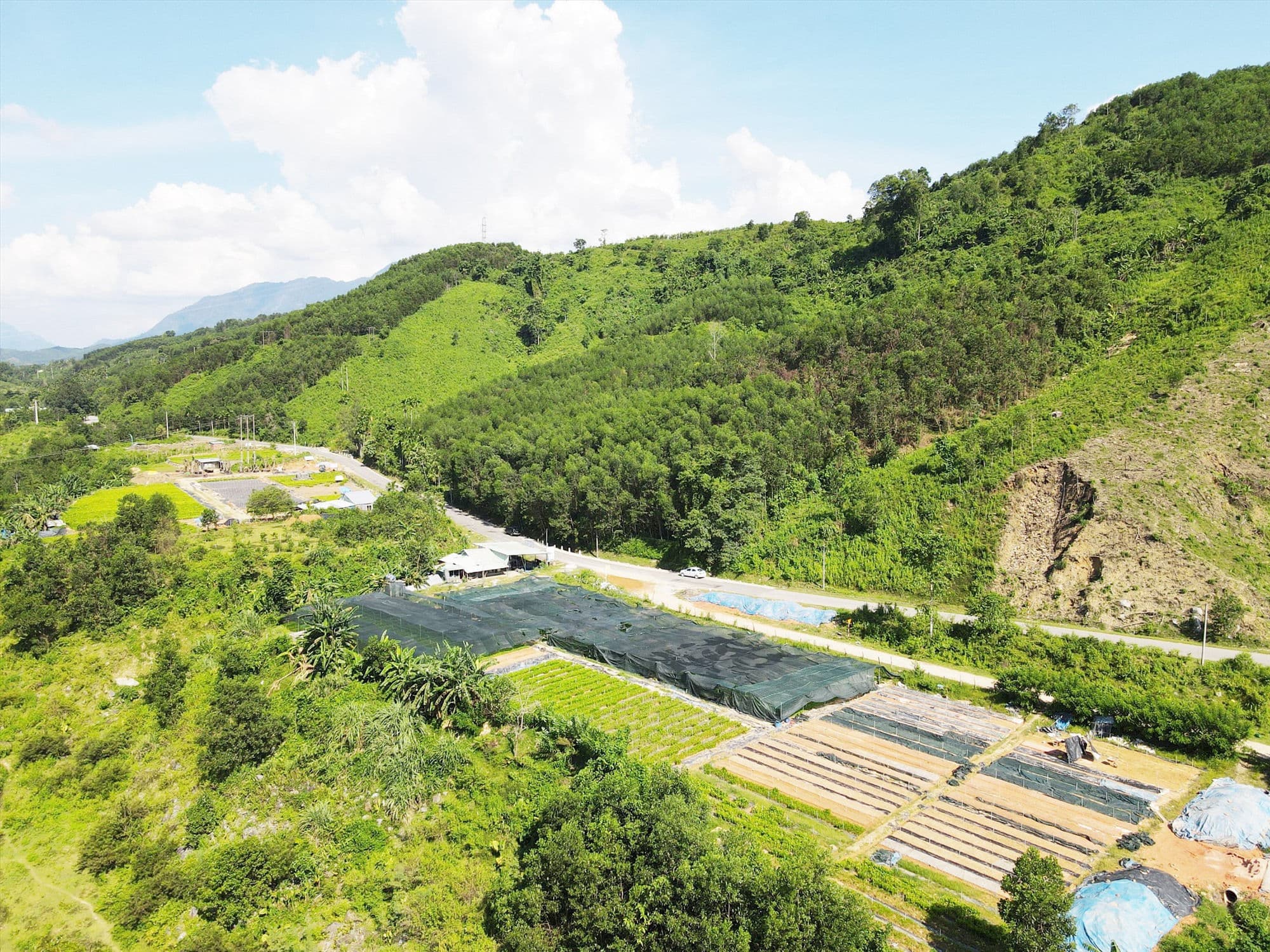
For many years, the cinnamon tree has been linked to the livelihoods of Trà Leng residents mainly through planting, caring for, and harvesting cinnamon bark. When harvest season arrived, most of the product was sold as raw material, while many other parts of the tree, such as leaves, branches, or wood, were rarely fully utilized.
In recent years, along with the sustainable development orientation for the cinnamon region, the story of the cinnamon tree has begun to enter a new phase. Instead of just generating income from raw products, the cinnamon tree is opening up many new professions, new job opportunities, and gradually forming a value chain associated with processing, tourism, handicrafts, and a green economy.
When the cinnamon tree creates more livelihoods for the people
If in the past cinnamon growers mainly waited until the bark peeling season to sell to traders, now, the approach to exploitation has changed significantly. Every part of the tree is seen as a source of raw material that can create new value.
Cinnamon leaves and branches, after pruning, are collected for essential oil distillation. This work requires workers to understand the process of harvesting, preserving raw materials, and operating the distillation system. From there, a new profession gradually forms alongside the traditional cinnamon farming.
As processing demand increases, residents also have more opportunities to participate in preliminary processing, raw material sorting, packaging, and product preservation. The expanded chain of work helps create additional income for many households, especially during times when it's not the cinnamon bark harvesting season.
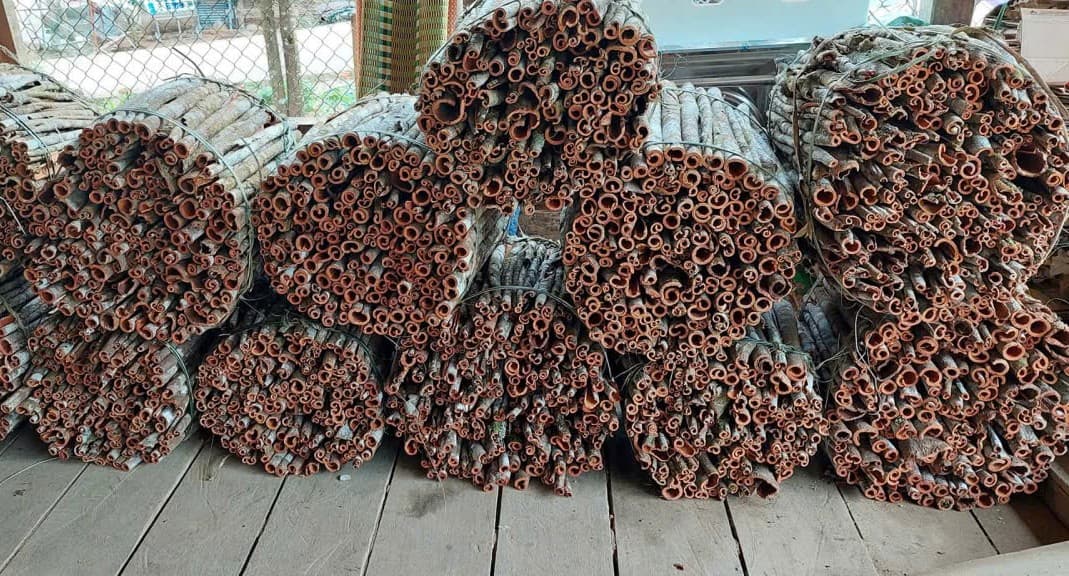
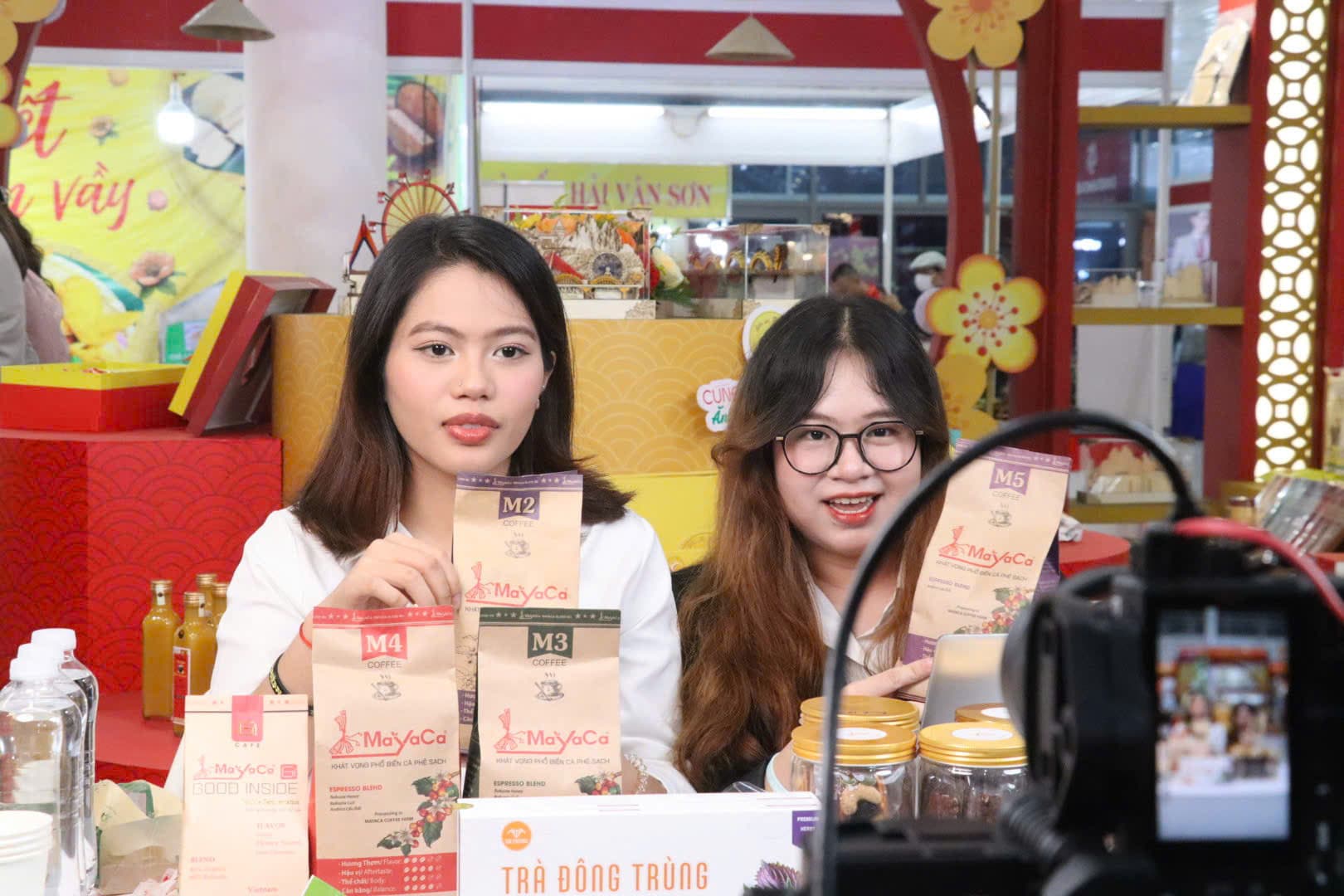
In addition, the development of cinnamon products such as essential oils, cinnamon powder, cinnamon sticks, cinnamon tea, or OCOP products also drives the demand for packaging design, brand building, promotion, and product consumption. These are areas that were almost non-existent in the Trà Leng cinnamon region before.
From cinnamon growers to tourism and handicraft workers
In Trà Leng's development orientation, the cinnamon region is being built into a cultural and experiential tourism space. This opens up many new professions associated with introducing products, guiding tourists to visit the cinnamon region, and telling stories about the history, culture, and farming practices of the local people.
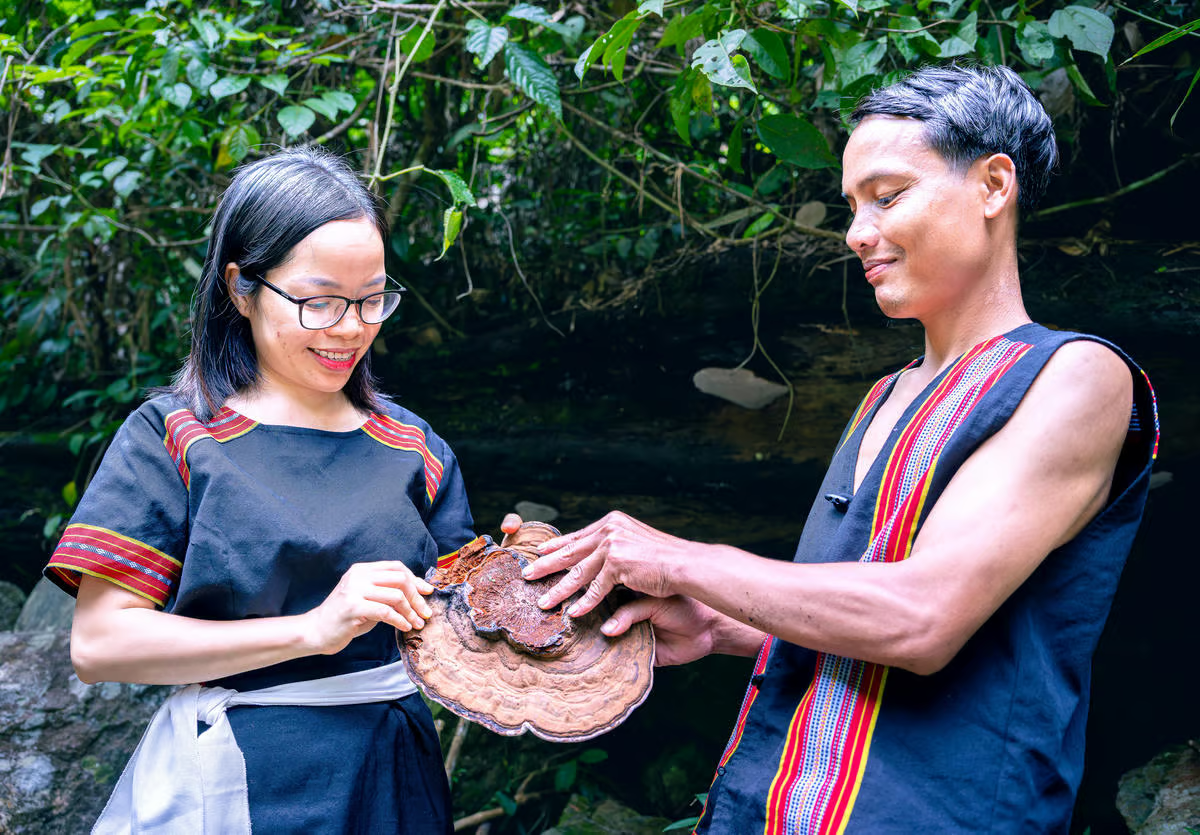
Those who were once only familiar with working in the fields now have the opportunity to become experience guides, introduce specialty products, or directly participate in cinnamon markets and local promotional events.
Parallel to this is the development of handicraft products from cinnamon wood. After harvesting, the tree trunk can be crafted into souvenirs, decorative items, or products with cultural value. This is a development direction that the locality is interested in to maximize the use of raw materials and enhance the value of the cinnamon tree.
Combining with traditional craft villages also opens up the possibility of forming new handicraft professions, where the value of the cinnamon tree is expressed through the creative hands of artisans.
A complete value chain is the future of the Trà Leng cinnamon region
For these new professions to truly develop, the important thing is not to sell more cinnamon, but to build a complete value chain.
In recent times, Trà Leng has strengthened connections with scientists, businesses, and research units to gradually improve the quality of the raw material region. Researching medicinal origins, developing deep-processed products, applying science and technology, and expanding markets are creating a foundation for the shift from raw material production to high-value economic development.
When the cinnamon tree is fully exploited, many new professions will continue to emerge. Residents can participate from seed production, raw material area care, essential oil processing, OCOP product development, e-commerce, tourism promotion, to creative activities associated with indigenous culture. That is the path to help the value of the cinnamon tree remain more with the very land that nurtured it.
For Trà Leng, the future of the cinnamon tree is not only measured by planting area or harvest yield. The greater value lies in the cinnamon tree becoming a foundation for forming new professions, creating more jobs, retaining workers in their homeland, and contributing to building a green economy based on indigenous resources. When every part of the cinnamon tree is effectively exploited and every resident has the opportunity to participate in that value chain, the Trà Leng cinnamon region will gradually develop sustainably, bringing long-term livelihoods to the community and asserting its position on Vietnam's medicinal plant map.