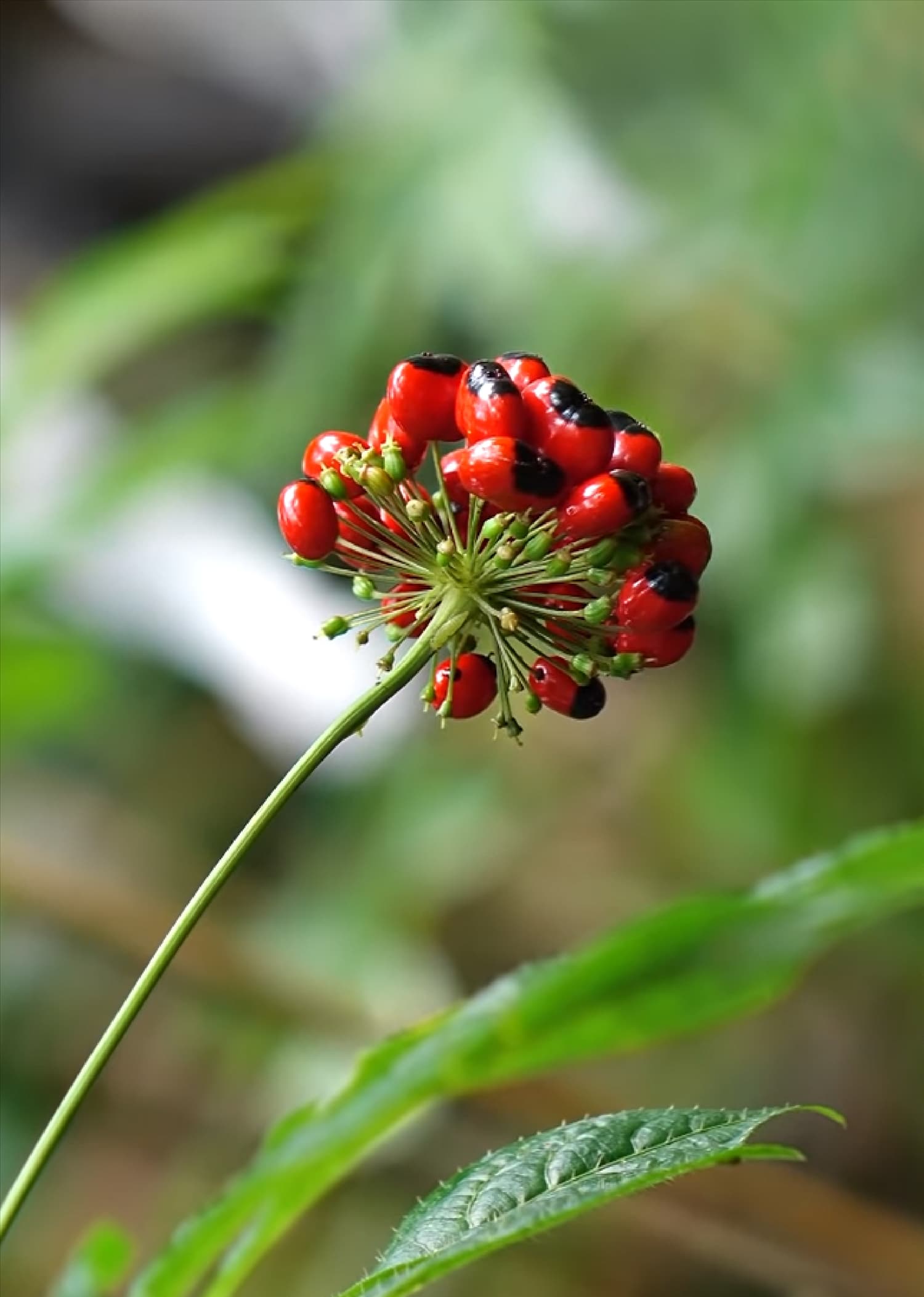
Ngoc Linh ginseng has long been considered one of Vietnam's precious medicinal herbs. The value of this ginseng species is not formed overnight but accumulated over many years of growth under the canopy of primeval forests. Therefore, the question "How many years does it take for a ginseng plant to mature?" always receives much attention from people when learning about the medicinal herb region of Trà Leng. The long growth period is one of the factors that create the uniqueness of Ngoc Linh ginseng. Each growing ginseng plant is associated with specific natural conditions and the persistent care of high-mountain residents.
Ngoc Linh Ginseng Develops Slowly Over Years
According to the growth characteristics of this plant, Ngoc Linh ginseng needs about 6 to 10 years to reach a harvestable age. Throughout that time, the plant grows very slowly and depends heavily on natural conditions.
Ginseng grows under the forest canopy, where the climate is cool year-round, humidity is high, and the soil is rich in humus. Each year, the plant only develops a small part, gradually accumulating nutrients in its root. This slow growth rate makes planting and caring for Ngoc Linh ginseng require the patience of the people as well as strict protection of its growing environment.
For many households in Trà Leng, growing ginseng is a long journey. They invest many years of care before they can harvest, so each ginseng plant carries special value, both economically and in terms of effort.
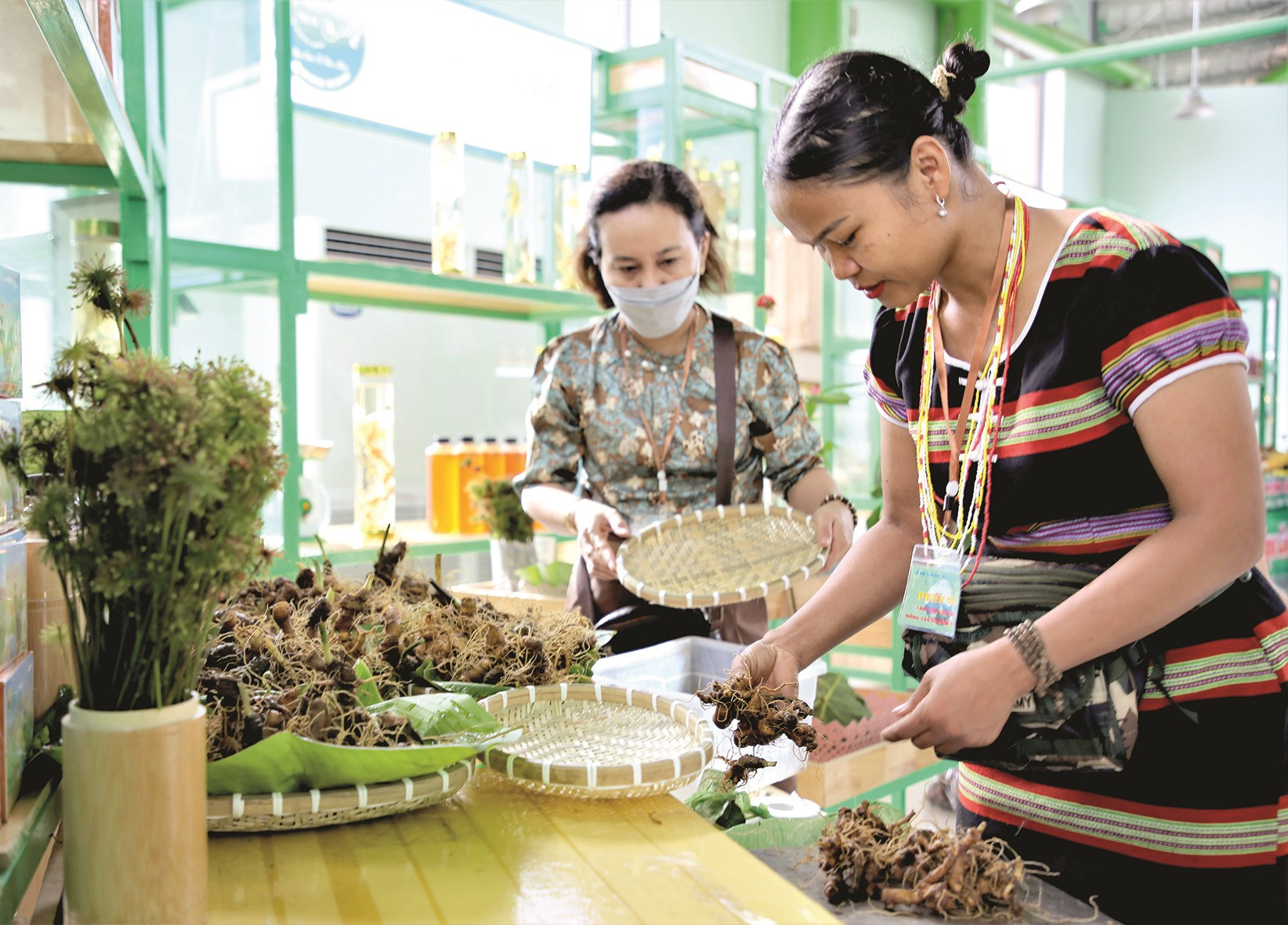
Photo: Đ.N
Time is the Factor That Creates the Value of Ginseng
Unlike many crops that can be harvested after one or two seasons, Ngoc Linh ginseng needs many years to fully develop. This long period is not only the process of the plant growing little by little under the forest canopy but also the stage for the ginseng root to gradually accumulate natural active ingredients, thereby creating the unique value of this precious medicinal herb. It is this slow growth that makes each ginseng plant more special, because its value is formed over time and cannot be obtained in a short period.
Because they have to wait many years to harvest, growers always consider each ginseng plant a valuable asset. Care cannot be done carelessly but must be carried out carefully through each stage, from when the plant is small until it reaches maturity. Each step of care requires patience, meticulous monitoring, and a long-term attachment of the people to the growing area. At the same time, this process is always associated with forest protection, because only when the growing environment is kept stable can the ginseng plant develop sustainably over many years.
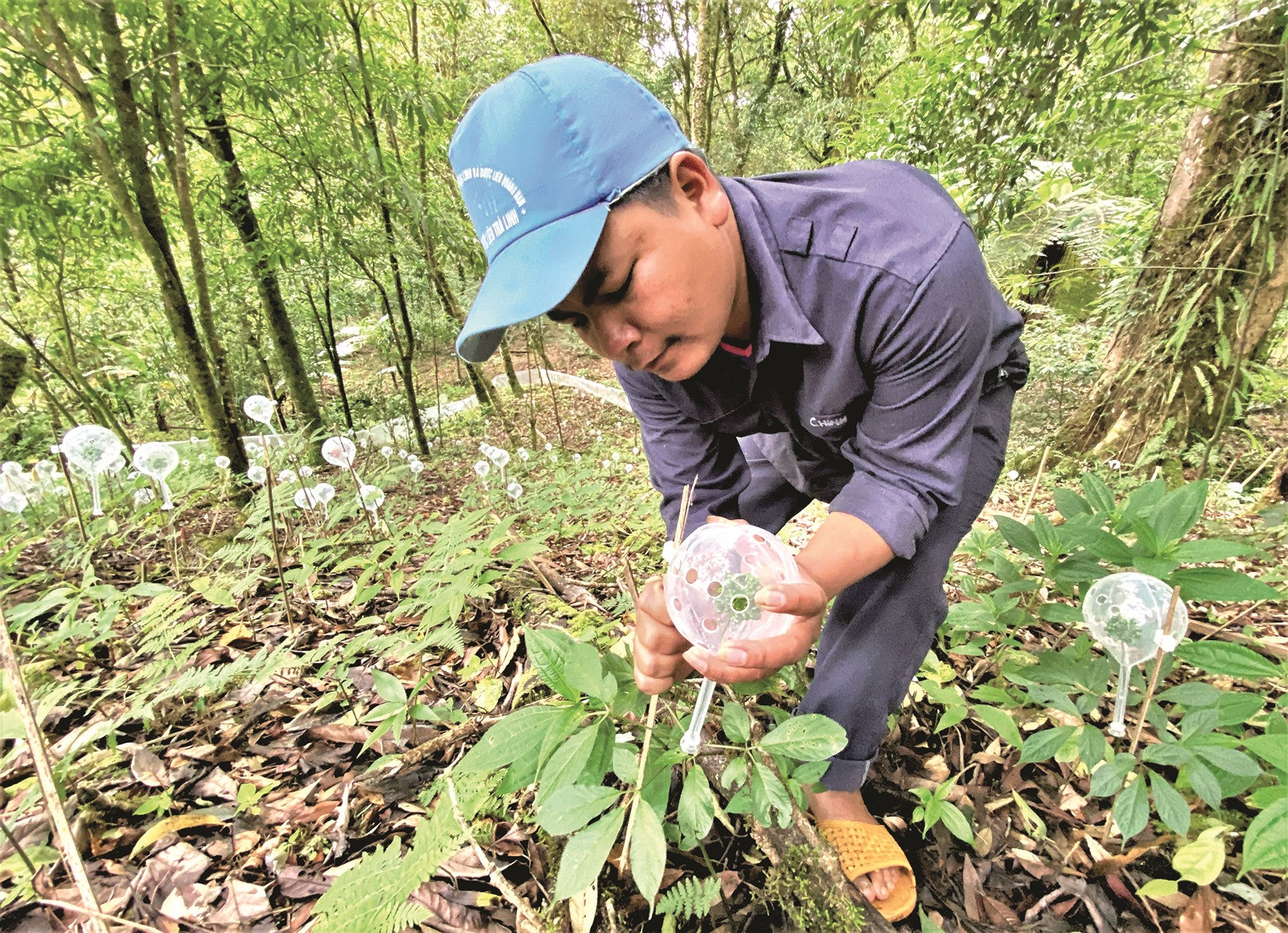
Photo: Đ.N
The longer the time, the higher the value of the ginseng plant. It is not only economic value, but also the value of effort, of waiting, and of the entire process of preserving suitable natural conditions for the plant to grow. This explains why Ngoc Linh ginseng is always considered one of Vietnam's high-value medicinal herbs, and also why each mature ginseng plant is cherished as a precious result after many years of cultivation and protection.
Preserving the Forest Means Preserving the Conditions for Ginseng to Mature
For a Ngoc Linh ginseng plant to develop over many years, the most important thing is the preservation of the forest ecosystem. The forests in Trà Leng create a natural environment with suitable temperature, humidity, and vegetation for the plant to grow.
Therefore, developing ginseng regions always goes hand in hand with the task of preserving the forest. When the forest is protected, ginseng plants have the conditions to continue growing according to their natural cycle, contributing to maintaining precious medicinal resources and creating long-term livelihoods for local people.
For Trà Leng, each Ngoc Linh ginseng plant that matures after many years is the result of the harmony between nature, time, and the persistent preservation by humans. This is also the foundation for the locality to continue promoting the value of this precious medicinal herb region, aiming for sustainable development in the future.