Every year-end, when the Ngoc Linh mountain slopes are adorned with the golden hue of ripe rice, the Ca Dong villages in Trà Leng excitedly begin their New Rice Festival. This is a sacred ritual deeply ingrained in the spiritual life of the people for generations.
Unlike the bustling and lively festivals of the lowlands, the Ca Dong people's New Rice Festival possesses a serene, sacred beauty, imbued with the breath of the mountains and forests. It is a moment when people humble themselves before nature, before Yang - the supreme deity of the great forest, to give thanks for an abundant harvest and to pray for peace and prosperity in the upcoming planting seasons.
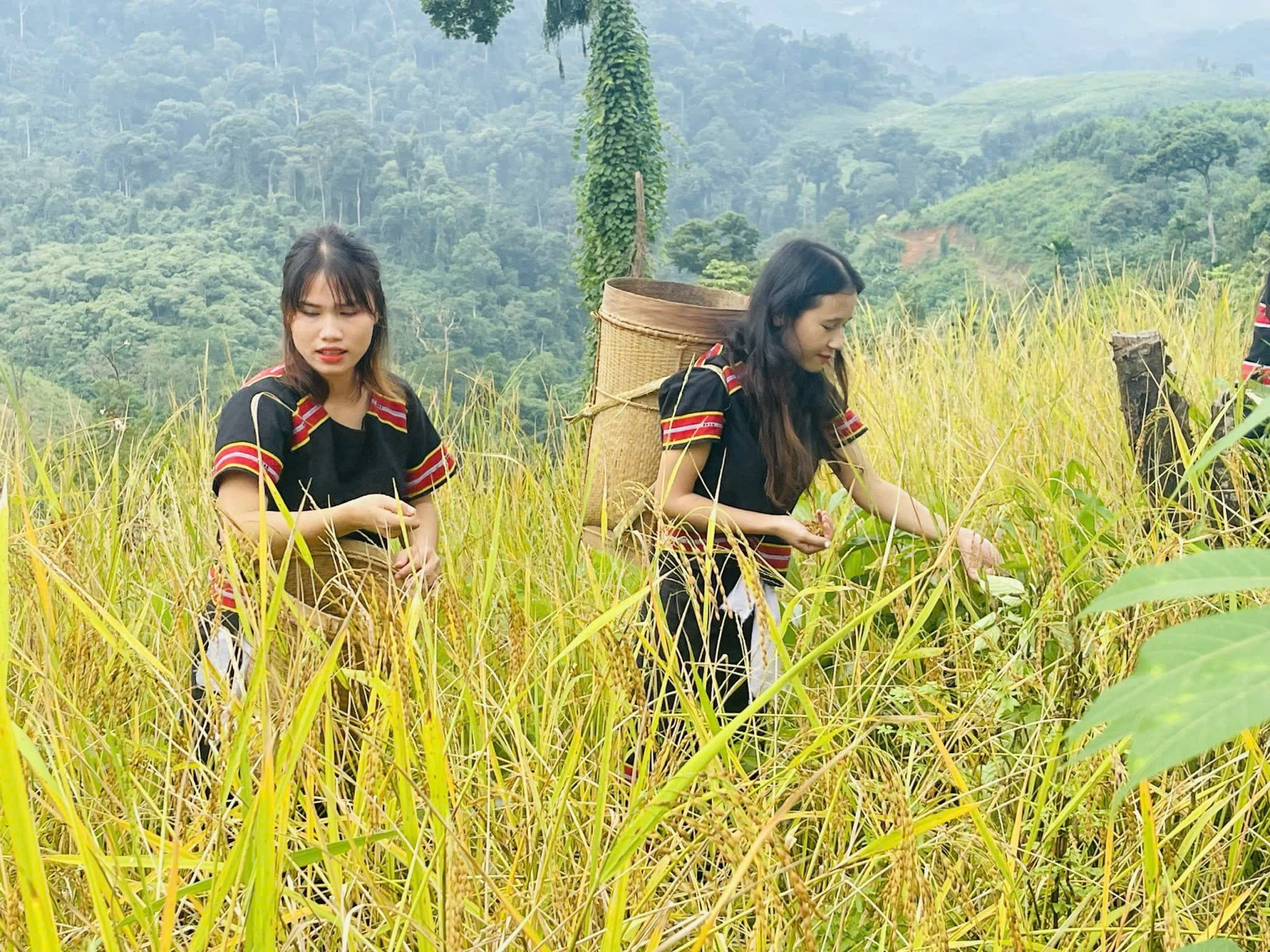
Amidst the lingering clouds and mountains of Trà Leng, the ripe rice season appears like a pristine painting. Ca Dong women in their distinctive black and red brocade costumes quietly ascend to the fields from early morning. On their backs are bamboo baskets that have accompanied them through many planting seasons. Their nimble hands deftly gather each heavy grain of rice, cherishing it as if holding the soul of heaven and earth.
For the Ca Dong people, rice grains are not just sustenance but also a sacred gift bestowed by the deities. Therefore, the most beautiful and plump rice ears are always specially selected to be offered during the important ceremony. Amidst the vast expanse of the great forest, this ritual carries a simple yet profound belief in the harmony between humans and nature.
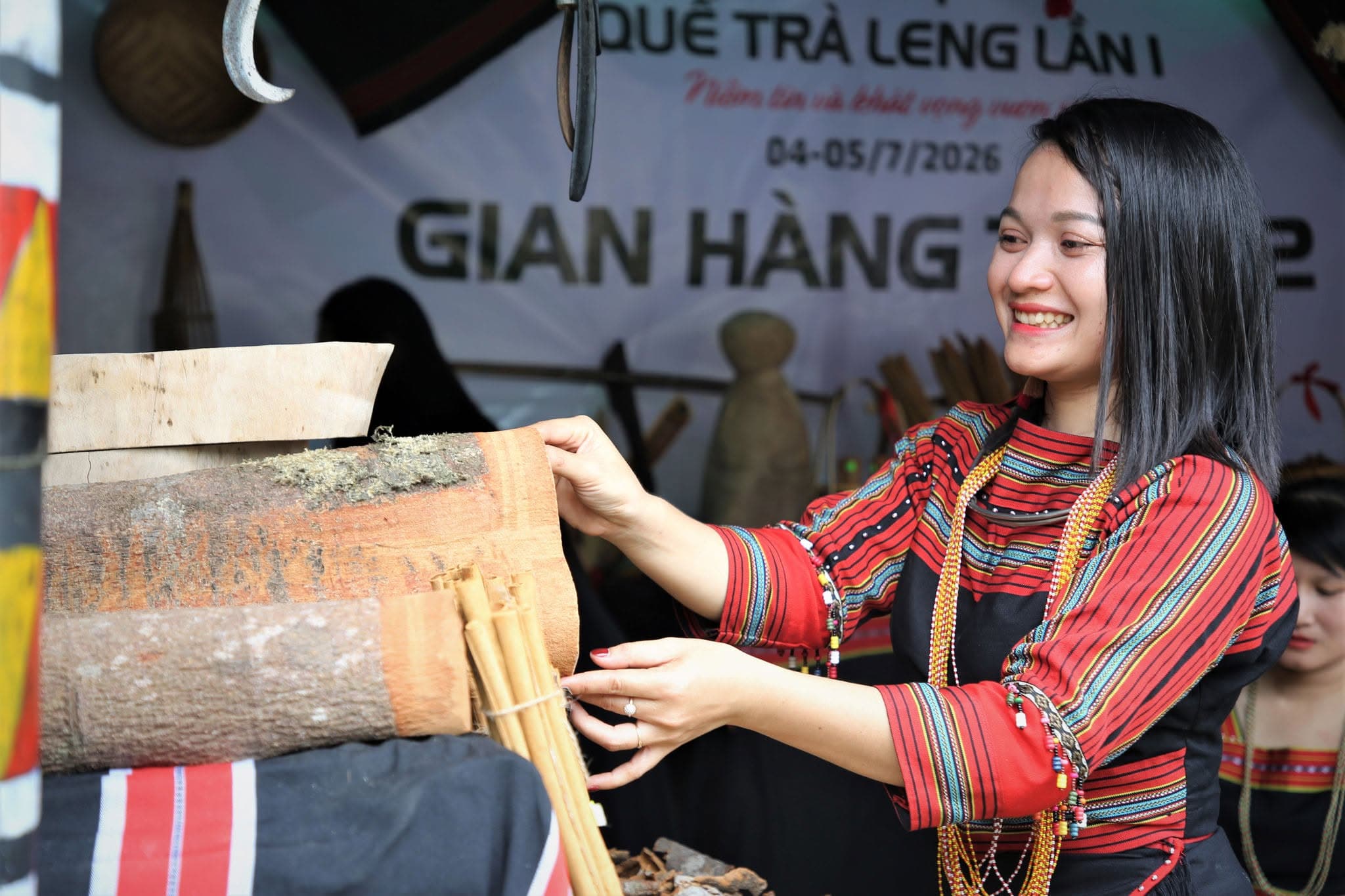
As the sun gradually sets behind the mountain ranges, the traditional wooden houses of the village begin to glow with firelight. In the flickering light and the aroma of new rice, the New Rice Offering Ceremony is solemnly performed. On bamboo trays are carefully prepared offerings: sacrificial pig, boiled chicken, stream fish, forest vegetables, lam rice, can wine… all are products harvested from the fields and forests of Trà Leng.
The village elder, the keeper of the village's cultural soul, slowly recites the prayer. His deep voice echoes in the silent space, blending with the distant sounds of the mountains and forests. In his hand is a long leaf branch dipped in can wine, which he gently sprinkles over the offerings and everyone around, as a sacred purification ritual to invite Yang to witness the sincerity of the villagers.
The prayer does not ask for wealth or prosperity. The Ca Dong people only wish for favorable weather, rice free from pests, wild animals not destroying the fields, healthy children, peaceful elders, and full granaries in the coming year. These simple aspirations, through generations, remain as intact as the breath of the great forest.
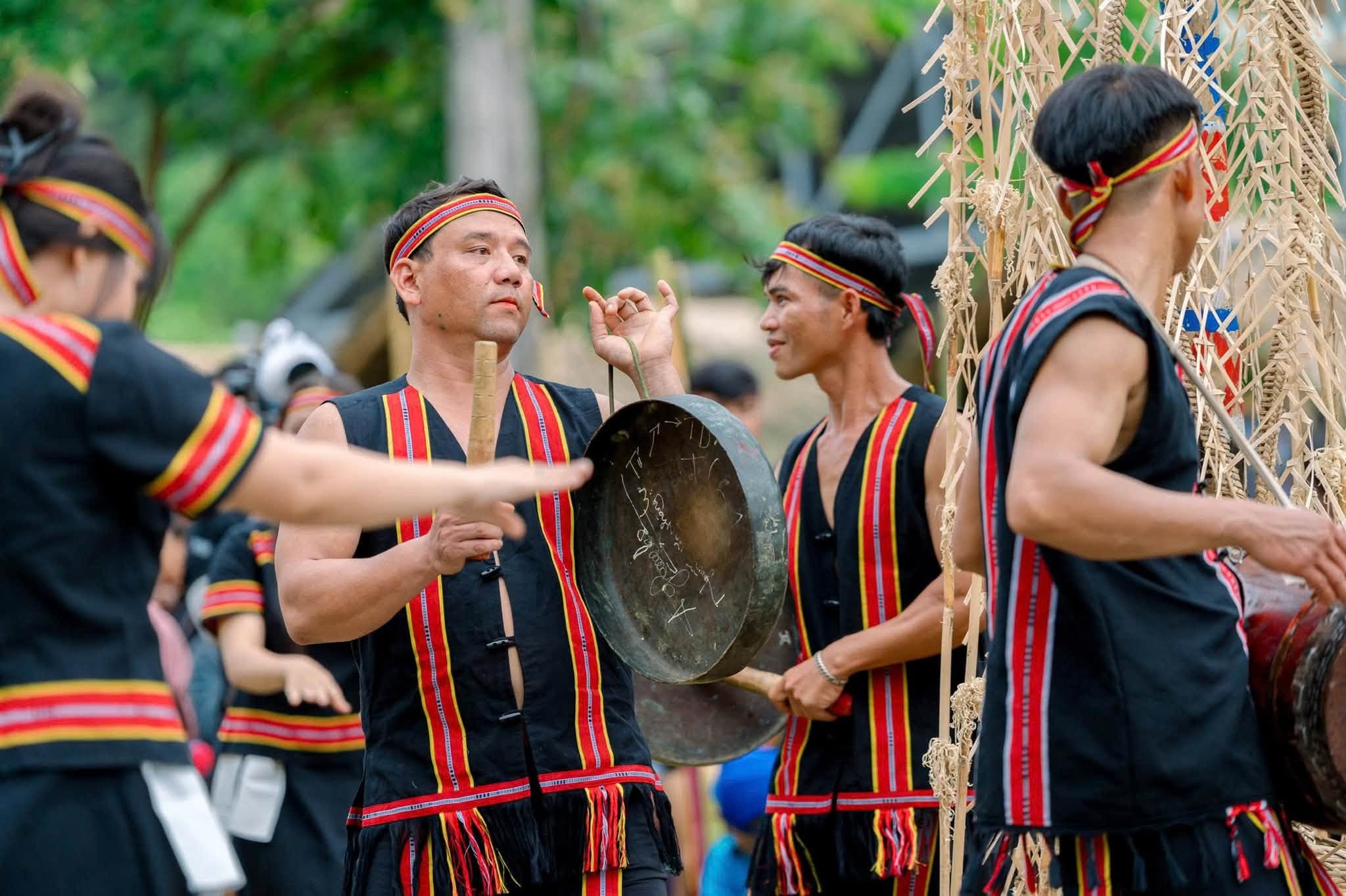
After the ceremony comes the festival, where the village truly immerses itself in the intoxicating joy of reunion. The resounding gongs and drums echo through the Ngoc Linh mountains, reverberating like a call from ancient times. Young men and women hold hands in traditional dances, their laughter mingling with the can wine to warm the high-altitude misty night.
Around the new rice meals spread on forest leaves, people tell each other stories of harvests, weddings, and children who have grown up after a planting season. In that moment, the New Rice Festival is no longer a mere ritual but becomes a bond that connects the community, where people find peace and their cultural roots.
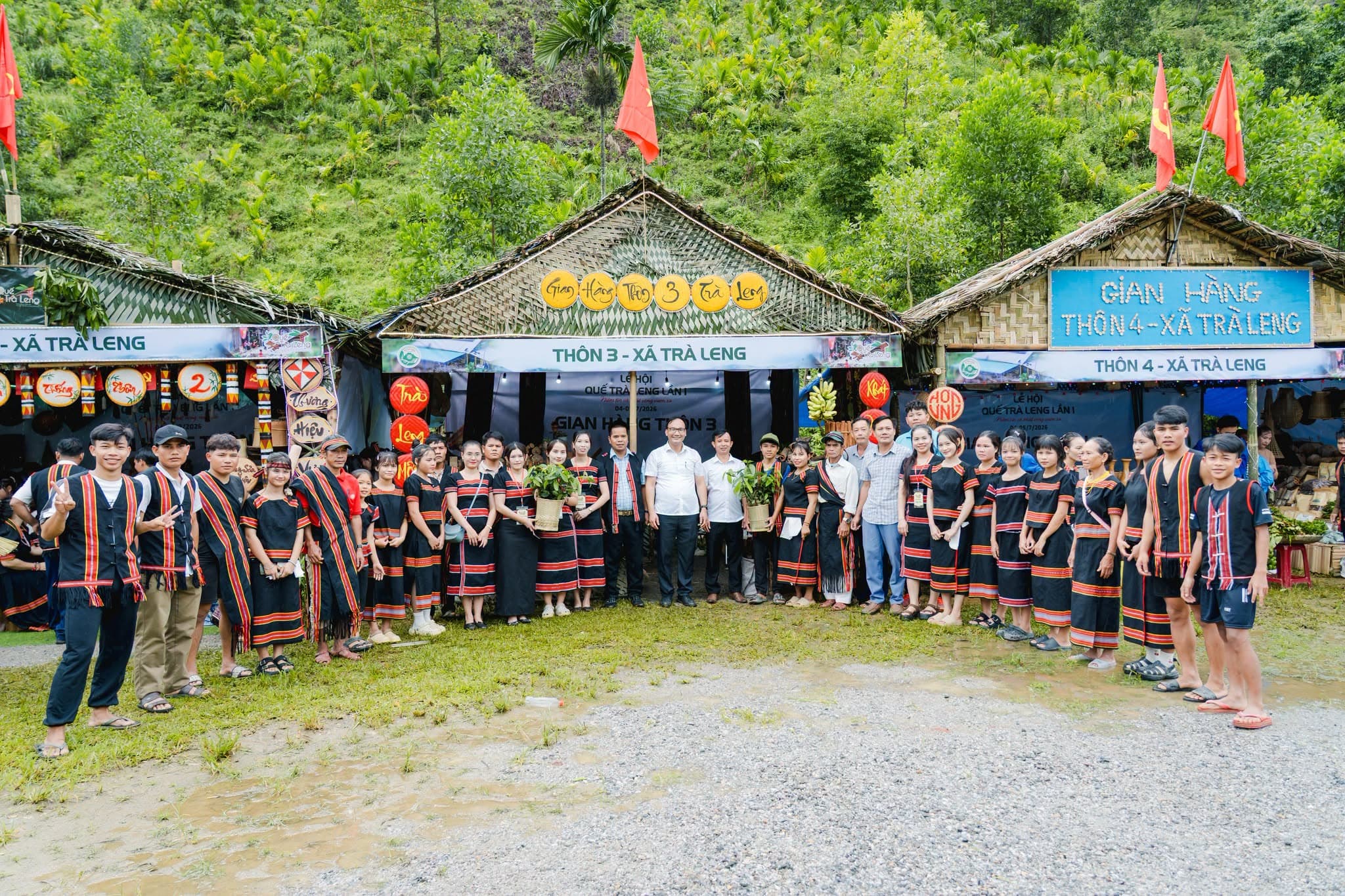
Amidst modern life gradually penetrating mountain villages, the Ca Dong people's New Rice Festival is still preserved as a spiritual treasure of the great Trà Leng forest. The gongs and drums still resound every ripe rice season, kitchen smoke still curls under wooden houses, and prayers to Yang are still passed down from generation to generation as a testament to the enduring vitality of Ca Dong culture in the vast Ngoc Linh mountains.