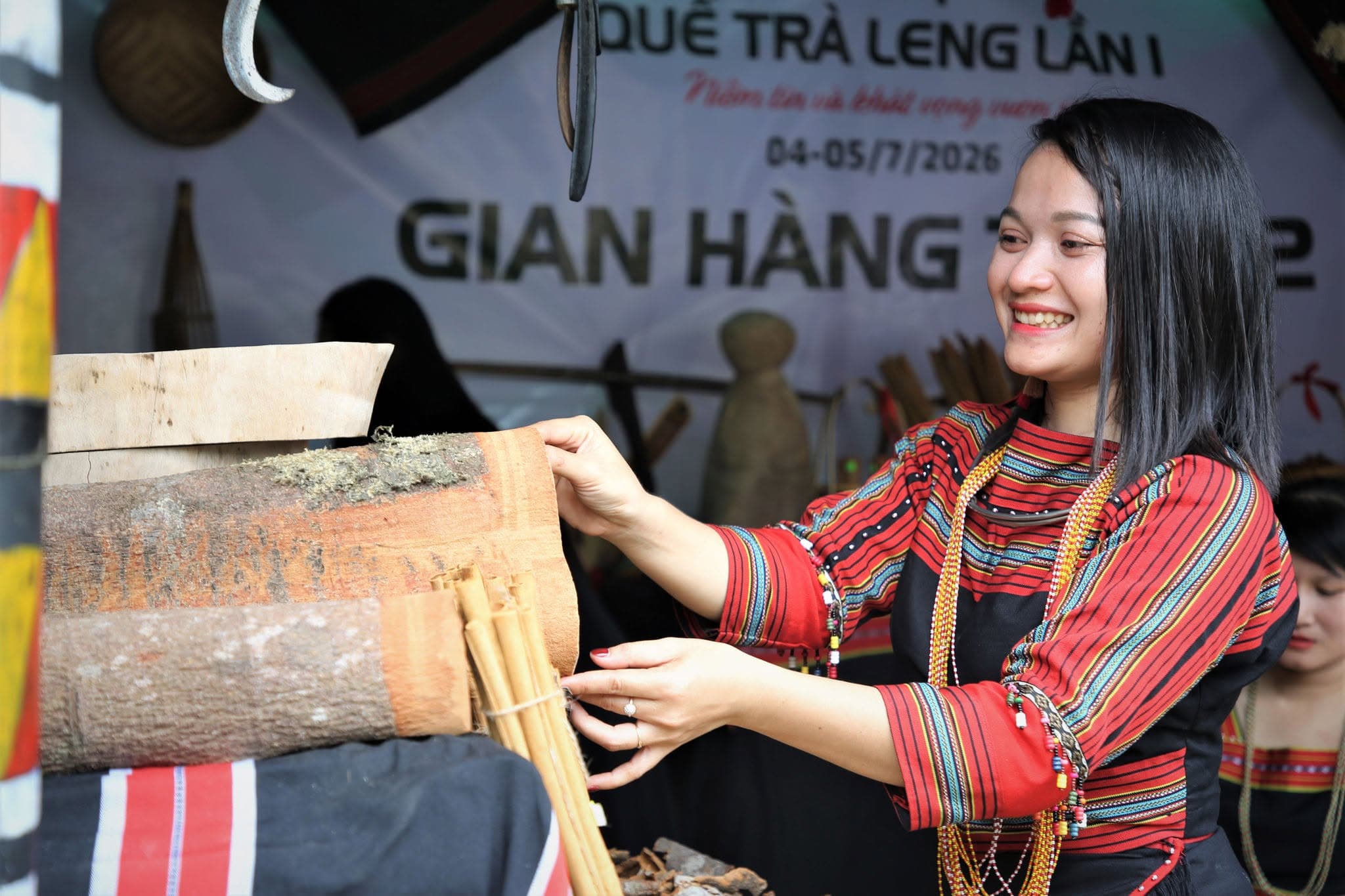
Quế Trà Leng has long been known as one of the important raw material areas for Quế Trà My – a product that has been protected by geographical indication and is highly valued for its quality. The climate, altitude, soil, and forest ecosystem here have created the distinctive aroma and unique essential oil content of the cinnamon trees.
However, the economic value received by cinnamon growers is still not commensurate with its inherent potential. The majority of cinnamon production is currently still consumed as raw material, while many value-added stages take place in other localities. This is a challenge for the development of the Quế Trà Leng cinnamon region in the new phase: how to make cinnamon trees the foundation of a complete value chain, bringing sustainable benefits to local people.
Deep Processing is the Way to Create Added Value
In modern agricultural economics, the value of a product is not only determined by output but also depends on the level of post-harvest processing. The same applies to cinnamon; its economic value will significantly increase if the raw material is transformed into products with high scientific and technological content.
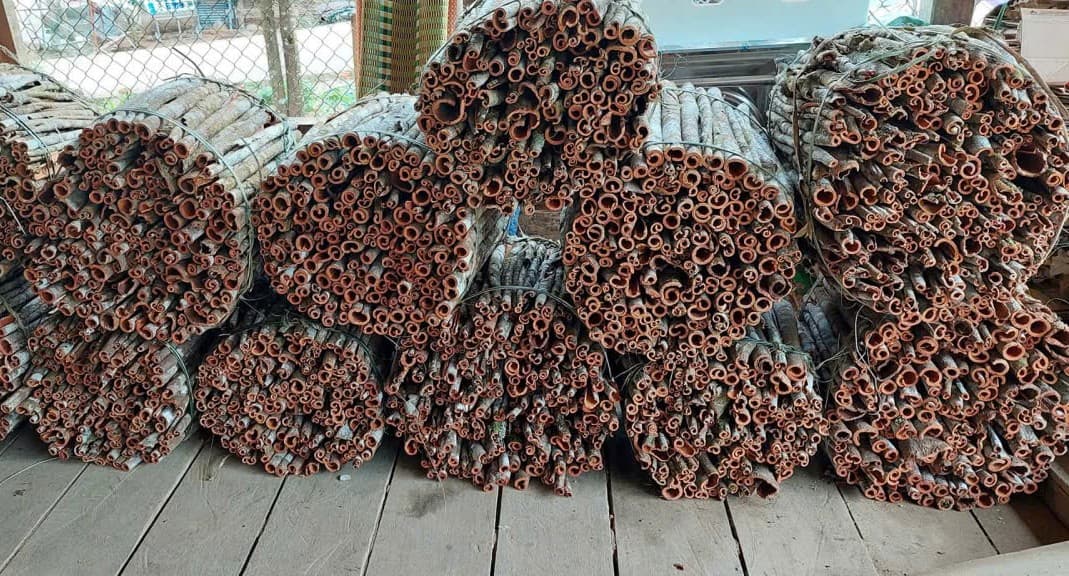
Besides cinnamon bark, many other parts of the tree such as leaves, branches, and wood can all be exploited to create products for various fields. Cinnamon essential oil is used in the fragrance, cosmetics, healthcare, and food industries. Cinnamon wood can become raw material for handicrafts, gifts, or decorative items with local identity. Cinnamon powder, cinnamon sticks, and processed products also open up many opportunities to access domestic and international consumer markets.
Developing deep-processed products helps improve the efficiency of using the entire cinnamon tree, reduces wasted raw materials after harvest, and increases value per unit of cultivated area.
Science is the Foundation for Building a Sustainable Brand
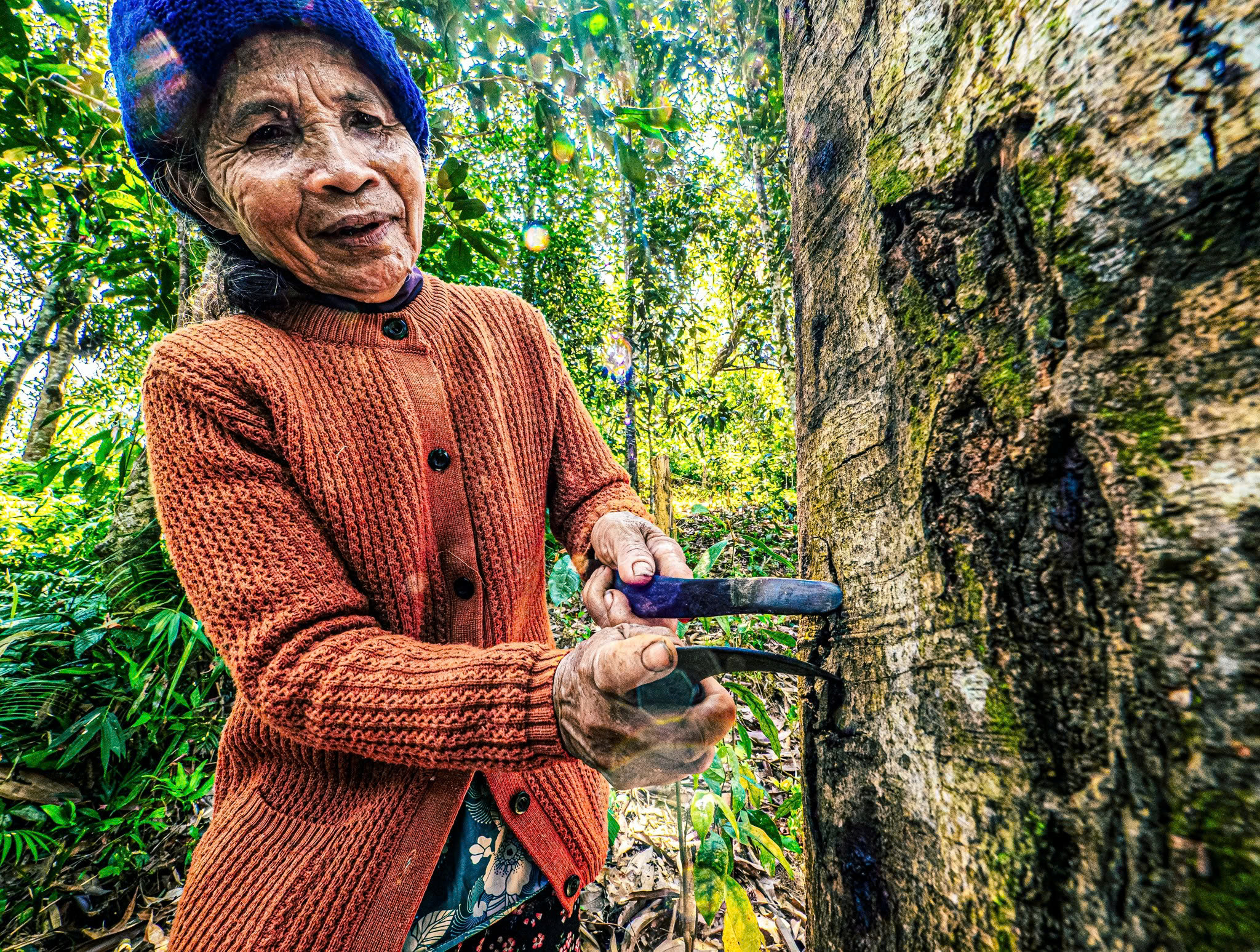
A long-term developing agricultural brand needs to be built on a scientific basis. For Quế Trà Leng, research on genetic resources, active ingredients, essential oil content, and biological characteristics of the raw material area is particularly important.
Scientific data will help identify the distinct values of Quế Trà Leng compared to other production regions, while also providing a basis for establishing quality standards, traceability, and brand development. This is also an increasingly common requirement for many export markets, where consumers are concerned about product transparency and production processes.
In addition, developing the raw material area towards organic farming, controlling quality from seeds, planting, care to harvesting will contribute to enhancing the product's competitiveness. When quality is standardized, Quế Trà Leng will have more opportunities to participate in higher-value supply chains instead of just supplying raw materials.
Value Chain Linkage for Greater Benefit to Cinnamon Growers
The development of the cinnamon region cannot rely on individual production households. A sustainable value chain requires the participation of local people, cooperatives, businesses, research institutes, and management agencies.
Cinnamon growers are the main actors creating the raw material area. Businesses play the role of investing in processing technology, product development, and market expansion. Research units provide scientific support, quality standards, and technological innovation. Local authorities create favorable conditions for raw material area planning, infrastructure, and development policies.
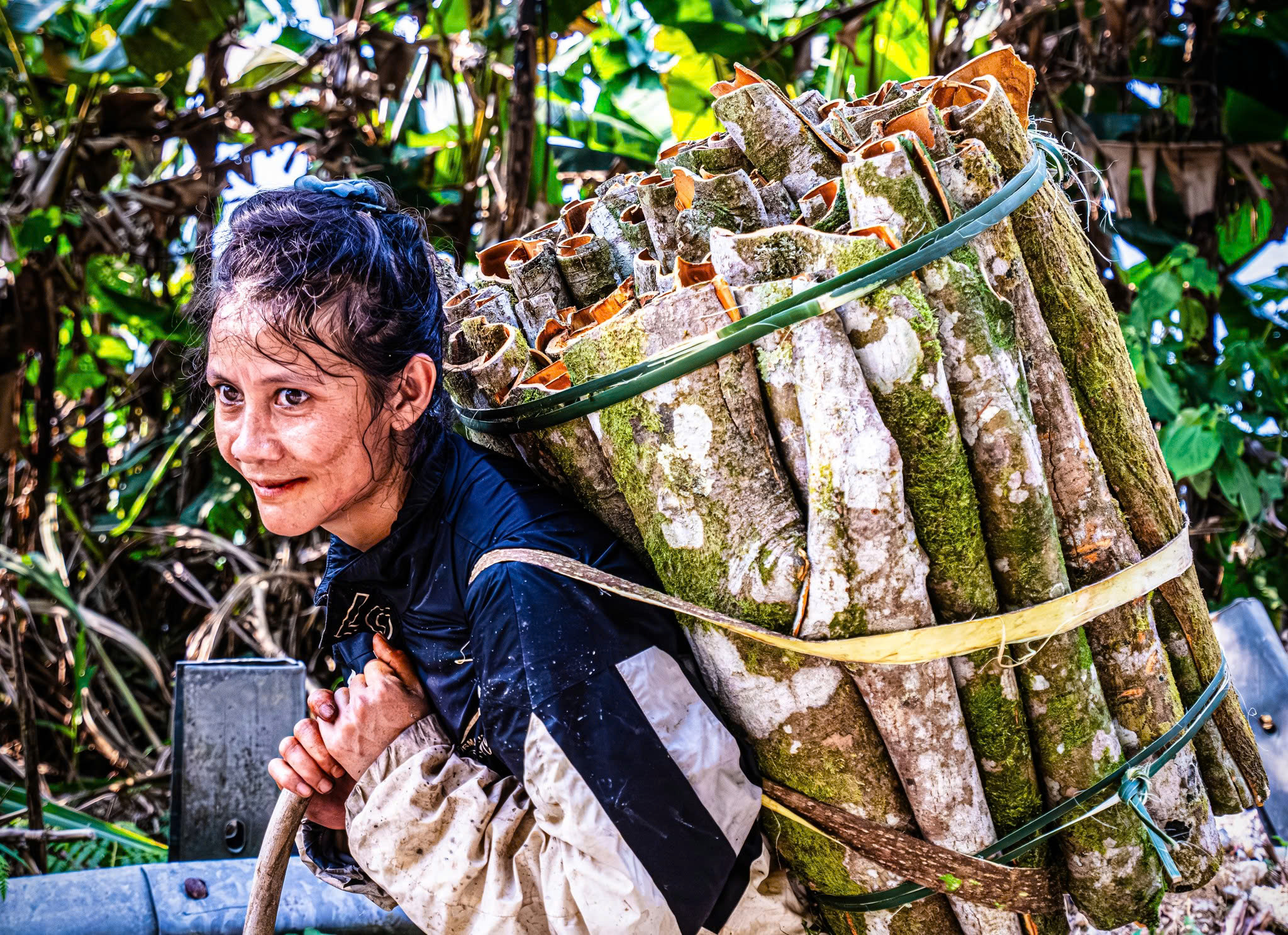
When these links are synchronously connected, the value created will be more reasonably distributed throughout the entire production chain. Local people will not only sell raw materials but also have opportunities to participate in many other stages such as preliminary processing, processing, product development, and services associated with cinnamon trees.
Quế Trà Leng Can Become a Symbol of Green Economy
The current development trend no longer views cinnamon as merely a forestry plant. In many countries, specialized raw material areas have been developed into economic ecosystems, combining agriculture, processing, tourism, healthcare, and culture.
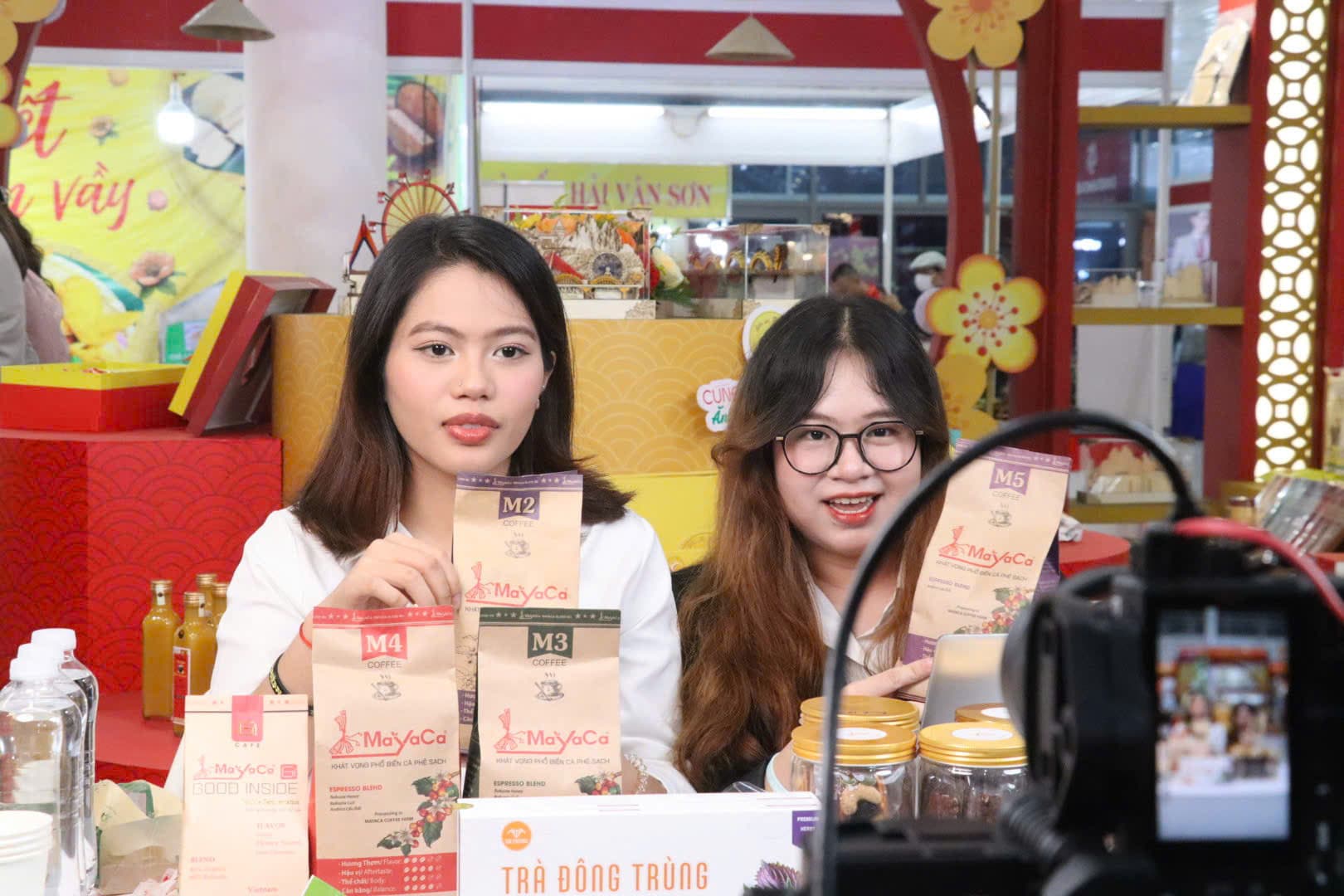
For Trà Leng, this is also a promising direction. Cinnamon forests can become experiential destinations; OCOP products from cinnamon contribute to promoting local identity; cinnamon essential oil, healthcare products, and souvenirs help expand the value of cinnamon trees into various other fields.
When cinnamon trees are developed into a complete value chain, the benefits will not be limited to economic growth. Local people will have more motivation to preserve forests, conserve genetic resources, develop sustainable raw material areas, and preserve indigenous knowledge accumulated over many generations.
Bringing Quế Trà Leng beyond its role as a raw material product is a long journey, requiring the companionship of science, businesses, and the local community. When the value of cinnamon trees is built on quality, innovation, and value chain linkage, Trà Leng will have a stronger foundation to develop a green economy, improve people's incomes, and gradually affirm its position in both domestic and international markets.