Amidst the mountains and forests of Trà Leng, brocade fabrics are handicrafts created by the skillful hands of highland women. Each thread, pattern, and traditional color contains stories about the history, customs, and identity of the ethnic communities here.
Nowadays, as modern life increasingly develops, brocade no longer appears only during festivals or in traditional costumes, but is becoming a bridge that brings indigenous culture closer to tourists and the wider community. Each brocade product, therefore, not only has practical value but also contributes to telling the story of the people and the land of Trà Leng.
Patterns that tell stories with threads
For the highland people, brocade is not merely a type of fabric used in daily life or clothing. It is also a repository of community memories, reflecting spiritual life and expressing cultural identity preserved through many generations. Each pattern woven on the fabric carries its own meaning, associated with folk tales, traditional beliefs, or concepts about nature and people in daily life.
Many motifs are inspired by mountains, streams, trees, birds, or familiar activities in production. Some patterns simulate images of fields, winding paths on mountain slopes, or symbols expressing community solidarity. Through these images, people convey their love for nature, their attachment to their homeland, and their pride in their ethnic culture. Each line created is not only for beauty but also carries deep messages and spiritual values.
The process of creating a brocade product also requires meticulousness, skill, and patience. From preparing materials, selecting threads, color coordination, to weaving each motif, everything is done with experience passed down through many generations. The artisan must remember how to arrange patterns, harmonize colors, and maintain balance in every detail. Some products take many days, even weeks, to complete, because each step is meticulously handcrafted.
Beyond technical skills, brocade weaving is also a process of transmitting cultural knowledge between generations within families and communities. Elders guide their children and grandchildren on how to weave, how to understand the meaning of each pattern, and how to preserve traditional values. As a result, weaving is not only maintained but also becomes a bridge connecting the past and the present.
In every thread is a story about life, nature, customs, and the pride of the community. These very values create the unique character of Trà Leng brocade, helping this product become a cultural symbol bearing the strong imprint of the land and people here.
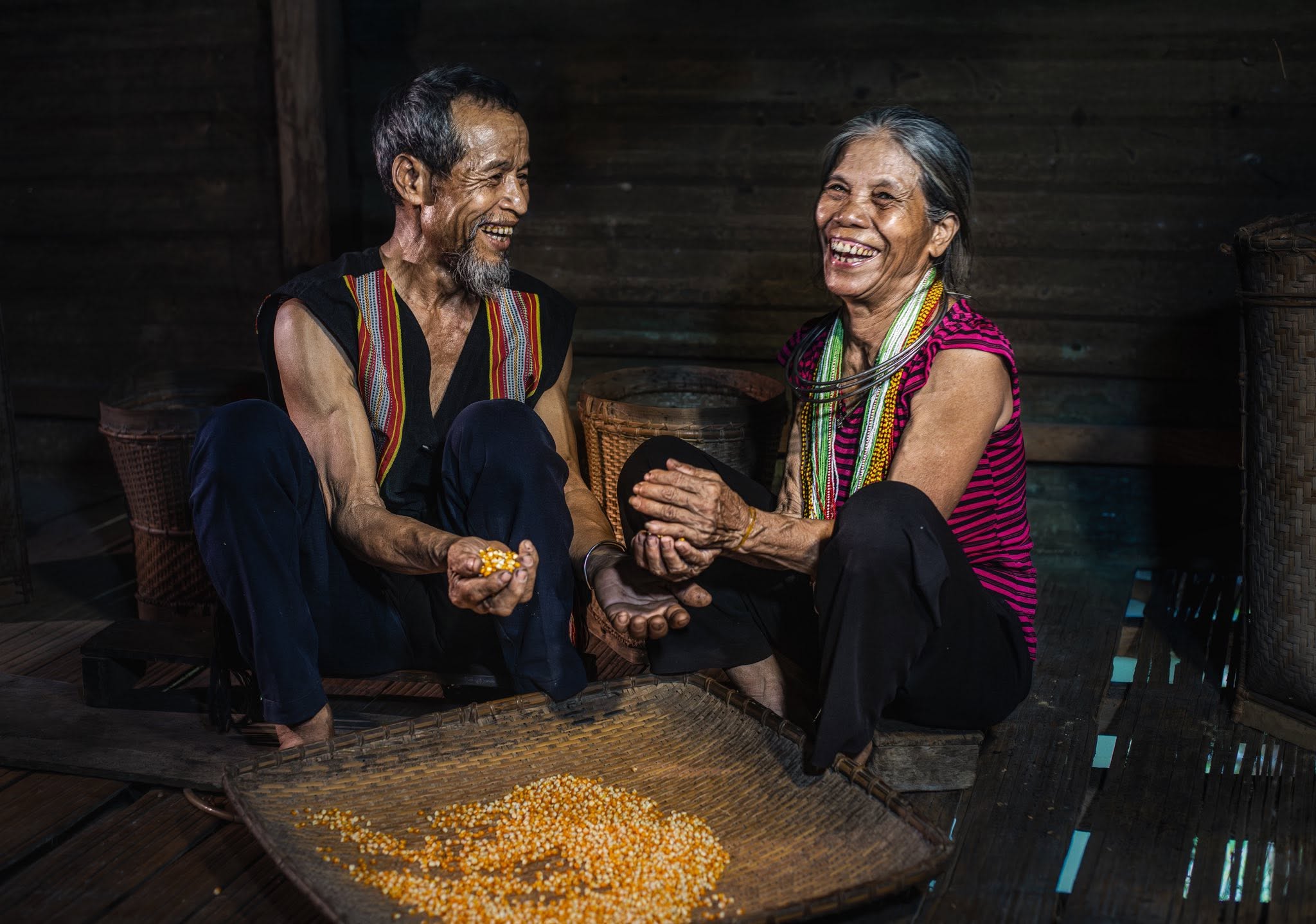
Brocade in daily life and traditional festivals
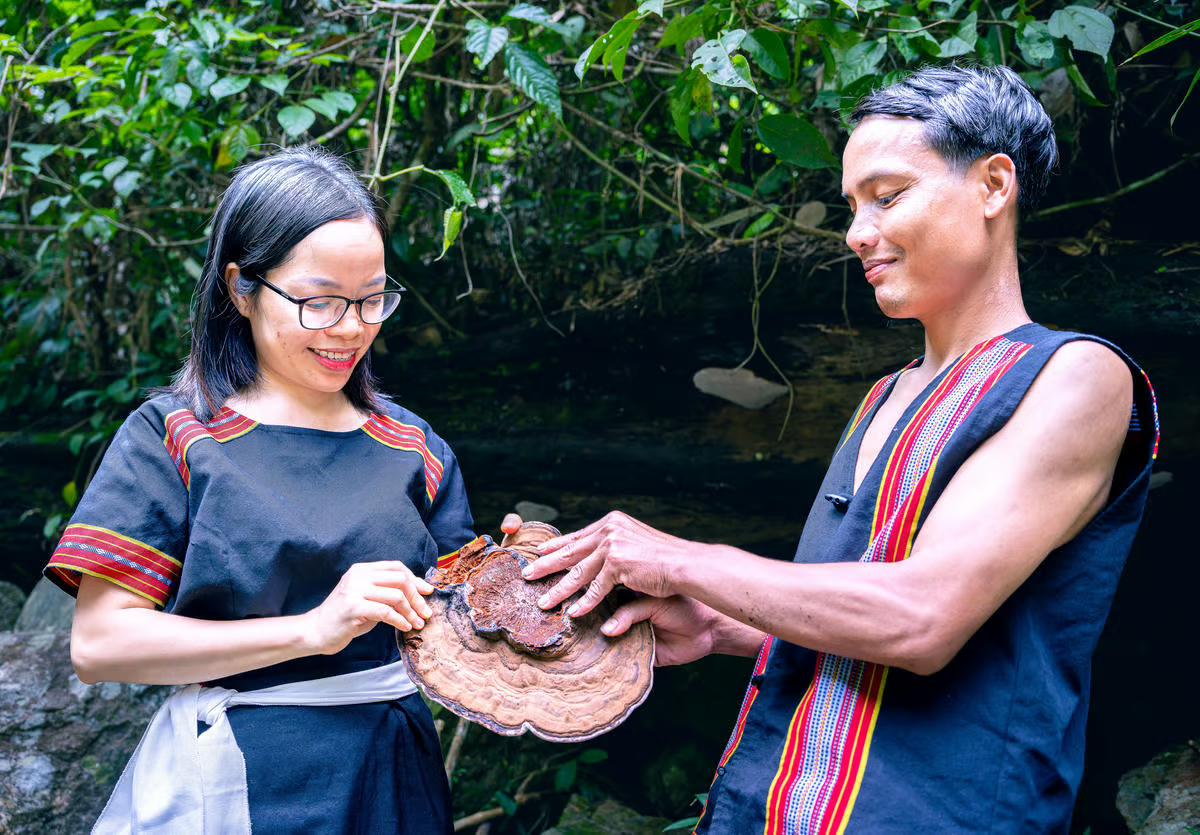
Since ancient times, brocade has been closely associated with the lives of the people of Trà Leng. Traditional costumes worn during festivals, weddings, or community events all bear the mark of brocade weaving. For many families, owning and using brocade clothing expresses cultural beauty and pride in their origins and ethnic identity preserved through many generations.
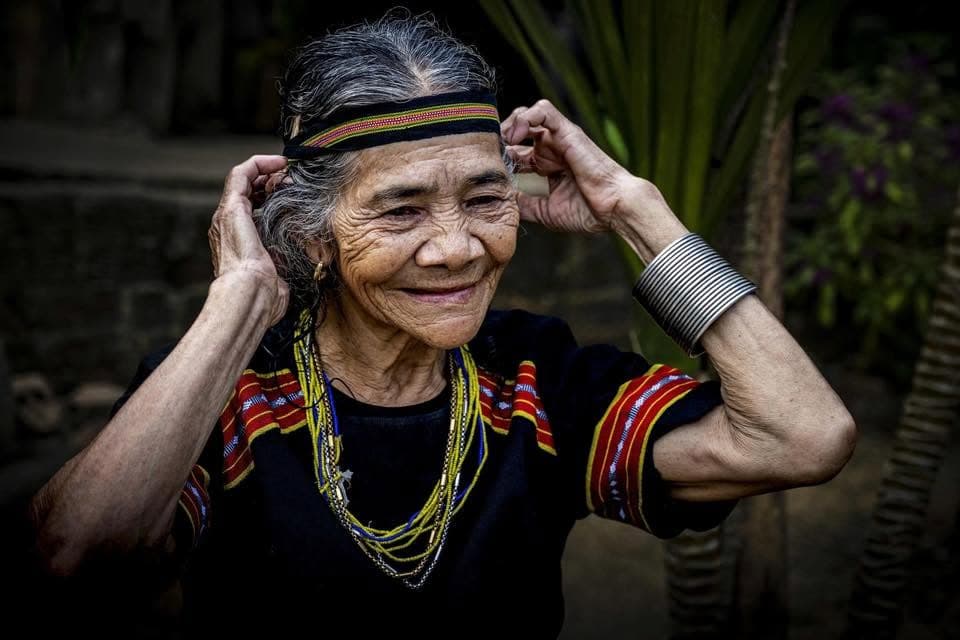
During village festivals, new rice celebrations, or community cultural activities, the colors of brocade contribute to creating a space rich in ethnic identity. Traditional patterns appear on the clothing of the elderly, youth, and children like a thread connecting generations within the community. This is not just clothing but also a symbol expressing respect for tradition, ancestors, and cultural values that have been nurtured for generations.
In addition to its role in rituals and festivals, many brocade products are also used in daily life as scarves, handbags, decorative items, or handicrafts serving daily needs. In every family, brocade fabrics are often used to decorate living spaces, given as gifts on special occasions, or kept as keepsakes with deep spiritual meaning. The presence of brocade in daily life has helped ensure that traditional values are always maintained and remembered within the community.
Over time, brocade has become an indispensable part of the culture of the highland people. Not only does it reflect the skill and creativity of the artisans, but each product also contains stories about the customs, practices, and lives of the local people. This long-standing presence has helped brocade weaving be preserved, passed down through many generations, and continue to play an important role in preserving the cultural identity of Trà Leng today.
When brocade becomes a bridge to tourists
In recent years, along with the development of community tourism, brocade has had more opportunities to reach a wider audience. Tourists coming to Trà Leng learn about nature, culture, and local products, paying special attention to traditional handicrafts. Brocade bags, scarves, wallets, or souvenirs become gifts bearing the strong imprint of the highlands. Many people are delighted to observe the weaving process firsthand, listen to artisans share about the meaning of each pattern, and the stories associated with the traditional craft.
Through these products, tourists have the opportunity to understand more about the lives, customs, and cultural stories of the local people. Each product brought back is not just a souvenir but also a connection between the artisan and the person appreciating cultural values. The hand-woven lines, characteristic colors, and meticulousness in each step help buyers better appreciate the value of labor and indigenous cultural identity.
In addition to impressing tourists, brocade also contributes to opening up livelihood development opportunities for many local households. As demand for handicrafts increases, the traditional weaving craft also has more conditions to be maintained and developed. Thanks to this, brocade is gradually becoming a bridge to promote the image of Trà Leng to various regions. From small products made by the skillful hands of indigenous people, the unique cultural values of the highlands are being widely spread, helping Trà Leng become a destination rich in identity for tourists near and far.