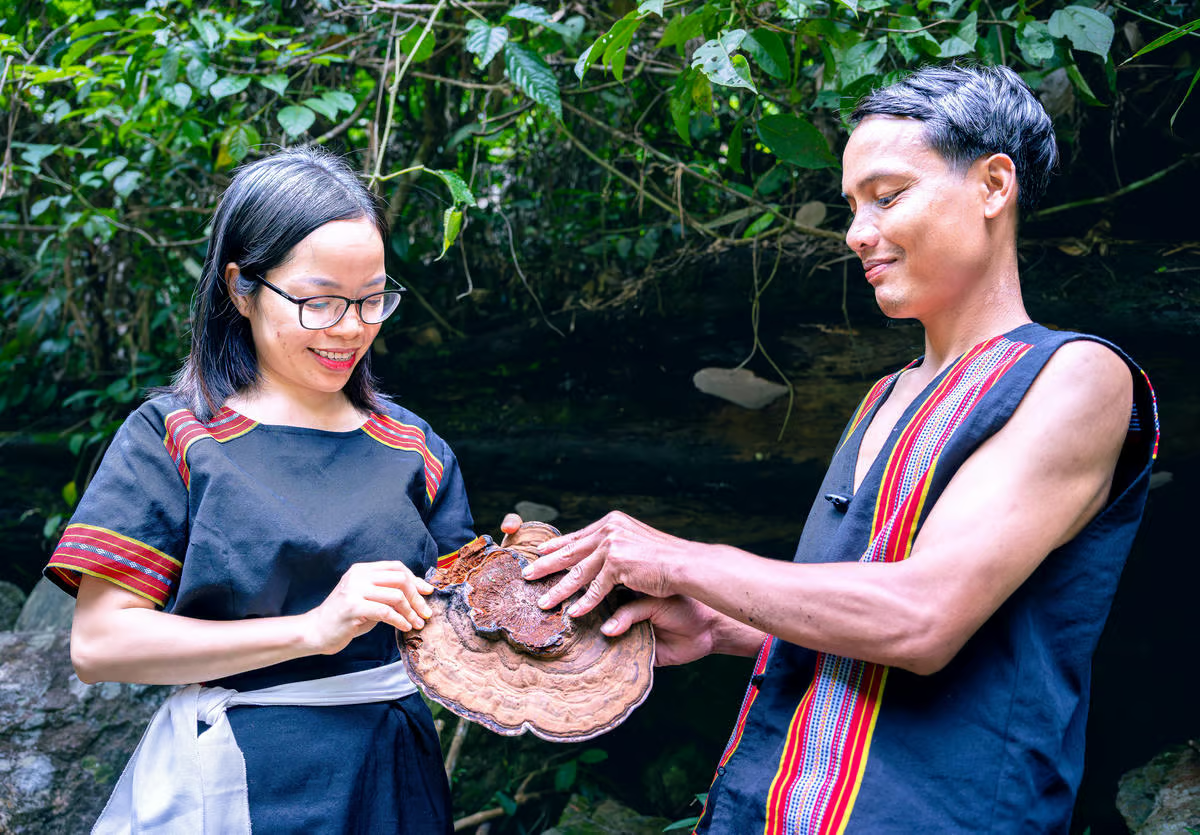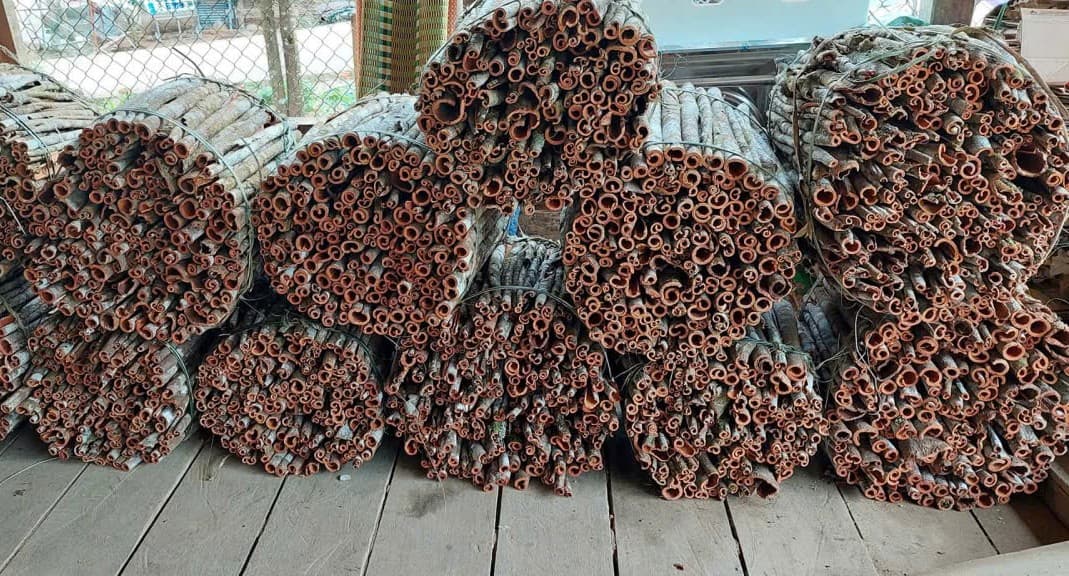
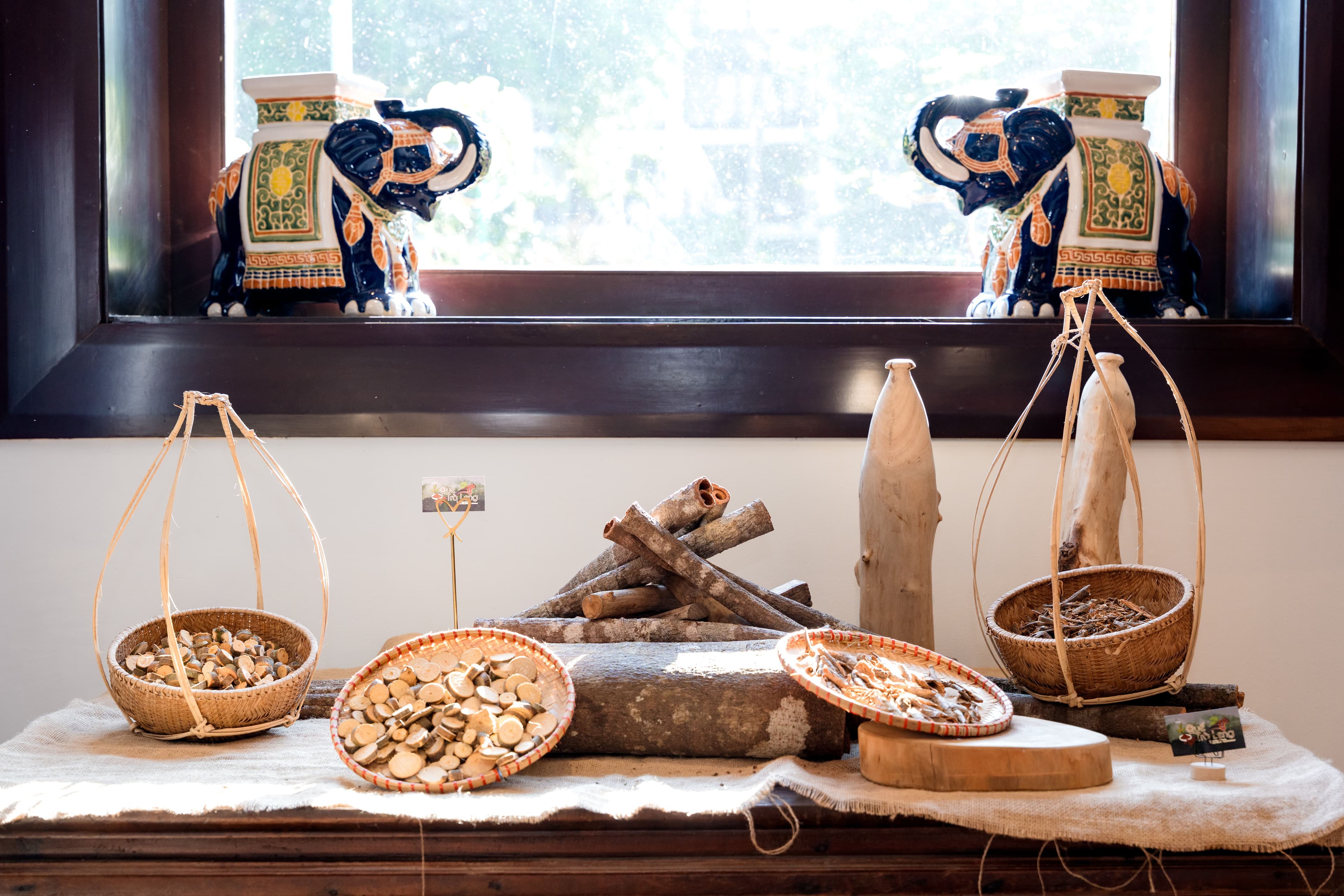
Amidst the mountains and forests of Tra Leng, cinnamon is a plant intimately linked to livelihoods and a persistent memory accompanying generations of people here. From the hillsides covered in green cinnamon to the warm, rich scent lingering in homes, in the cinnamon baskets on the backs of those going to the fields, the cinnamon tree has been present as a part of life, labor, and the identity of the highlands. For the people of Tra Leng, cinnamon is not merely an agricultural product; it is a treasure of the mountains and forests, a livelihood, a pride preserved and passed down from generation to generation.
In the development journey of this mountainous region, Que Tra Leng holds a special position. The cinnamon tree grows with the seasons of rain and sun, accompanying the people to their fields, entering daily life in many different ways. From cinnamon bark, cinnamon leaves to the distinctive aroma of its wood, every part of the cinnamon tree is associated with the production labor and economic value of the local people. Therefore, when Tra Leng is mentioned, many people remember a vast mountainous region and also the scent of cinnamon – an aroma that has accompanied the people here through countless farming seasons, ways of life, and generations.
The Cinnamon Tree in the Life of Tra Leng People
For many families in Tra Leng, the cinnamon tree has long been a familiar part of life. Cinnamon is grown in swidden fields, linked to the persistent labor of mountain people, and has become an important source of income for many households. On the hillsides, the green color of cinnamon contributes to the characteristic landscape of Tra Leng, while also opening up an economic development direction associated with indigenous strengths.
What makes cinnamon in Tra Leng special lies in its economic value and the long-standing bond between the cinnamon tree and its people. From generation to generation, the experience of planting, caring for, and harvesting cinnamon is passed down within each family as part of indigenous knowledge. Adults teach their children and grandchildren how to understand the land, the weather, the growth rhythm of the cinnamon tree, as well as how to appreciate the values that the mountains and forests bring. It is this continuity that has created a deep connection between cinnamon and community life in Tra Leng.
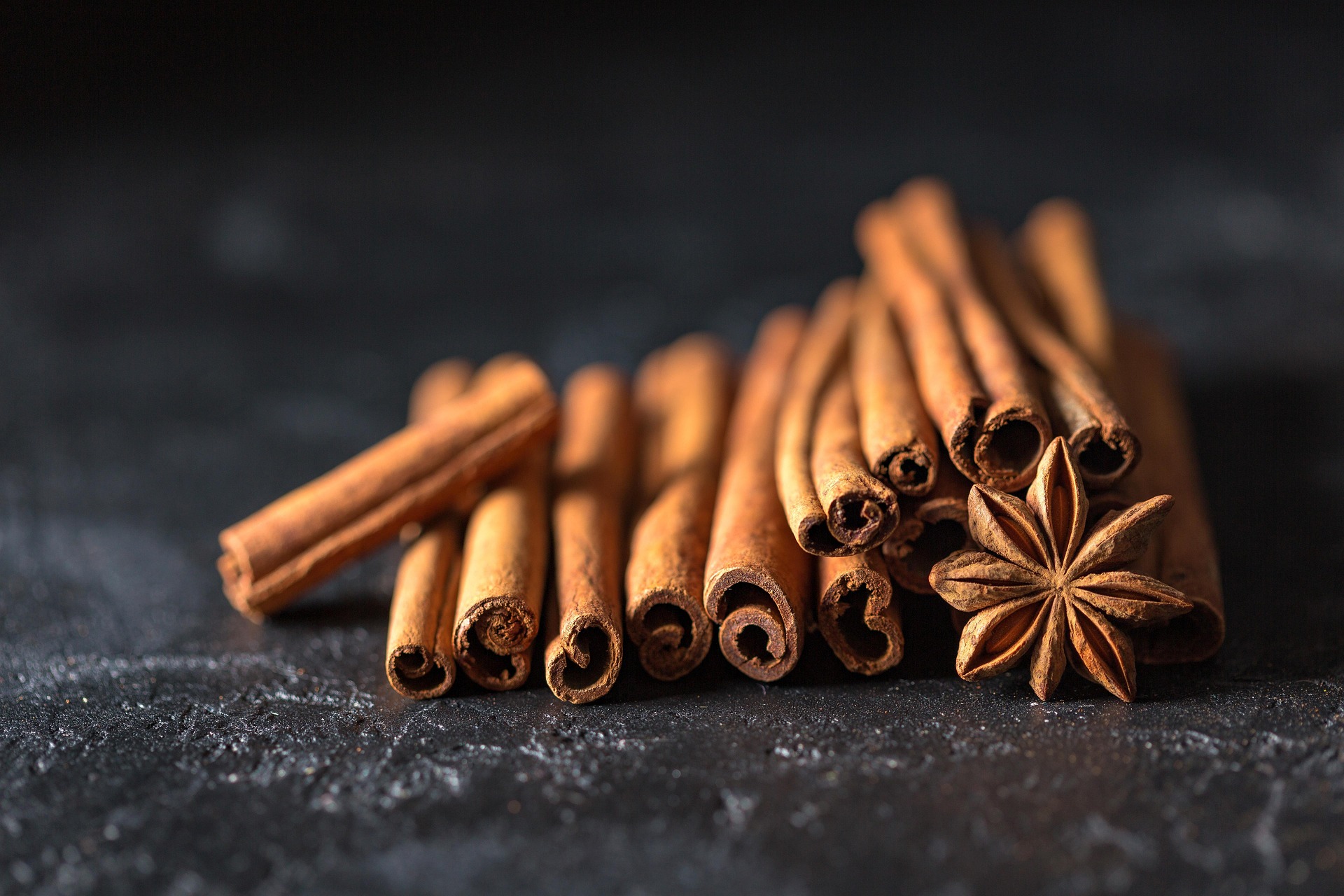
Photo: Collected
The Scent of Cinnamon – An Imprint of Memory and Highland Identity
If each land has a unique scent that people remember it by, then for Tra Leng, it is the scent of cinnamon. This aroma is not too sharp but warm, rich, persistent, and evokes a sense of familiarity. It is present in the swidden fields, during forest trips, in harvested and processed cinnamon products, and in the memories of the indigenous people. The scent of cinnamon is therefore both a characteristic of a plant and an imprint associated with the living space, labor, and stories of the Trà Leng people.
Over time, the cinnamon tree has contributed to shaping the local identity. From a familiar product of the mountains, cinnamon gradually became a typical image when mentioning Trà Leng. In activities promoting culture, tourism, or developing local products, cinnamon is recognized as a valuable agricultural product and also a symbol of the land. The scent of cinnamon therefore carries many layers of meaning: it is the scent of labor, of family memories, of traditions extended through many generations, and of faith in a sustainable development direction from indigenous resources.
Preserving the Cinnamon Tree is Preserving the Livelihood and Future of Tra Leng
Today, as Tra Leng is gradually promoting its unique local values for economic development, the cinnamon tree continues to play an important role. Cinnamon creates livelihoods for the people, while also opening up many opportunities in developing local products, promoting the image of the land, and connecting with community tourism. From a plant associated with swidden fields, cinnamon is gradually being recognized as an indigenous resource that can create long-term value if invested in, preserved, and exploited sustainably.
The journey of the cinnamon tree in Tra Leng is therefore the story of a crop and also the story of the resilience of mountain people. Through many generations, the scent of cinnamon still follows the people of Trà Leng on their paths of labor, through the changes of life, and in the journey of building their homeland. Preserving the cinnamon tree today is preserving a source of income, preserving memories, preserving identity, and preserving a part of the soul of Tra Leng amidst the vast mountains.