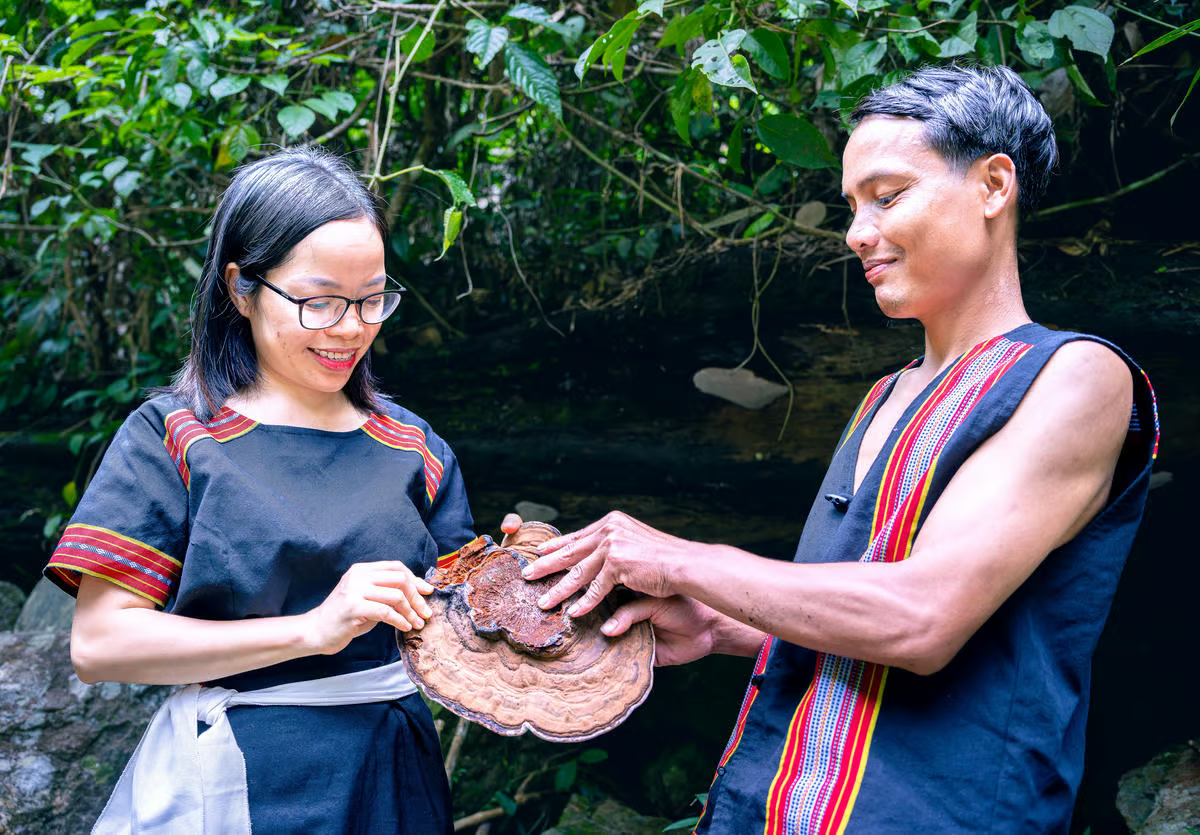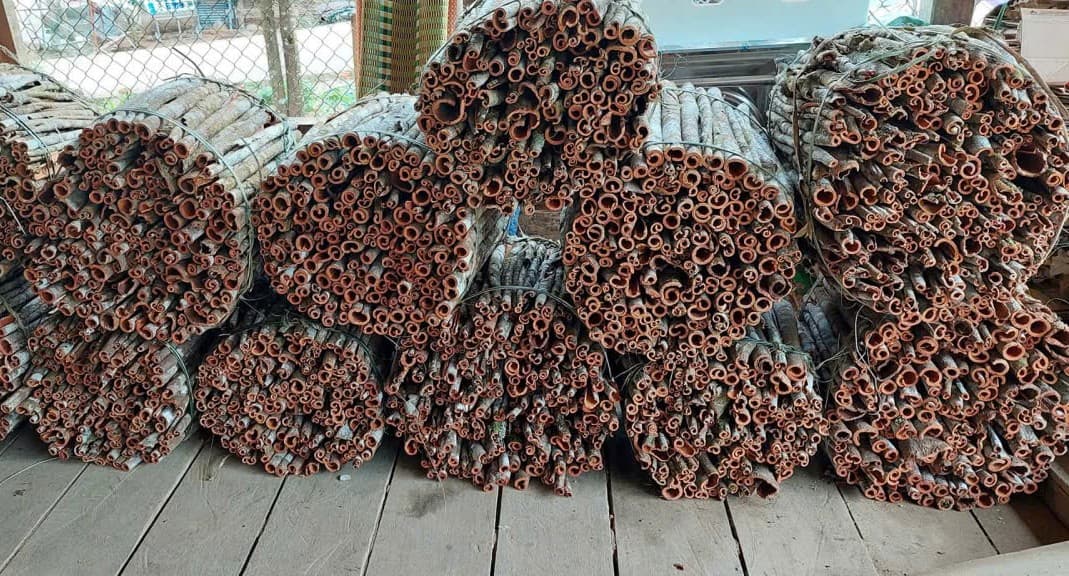
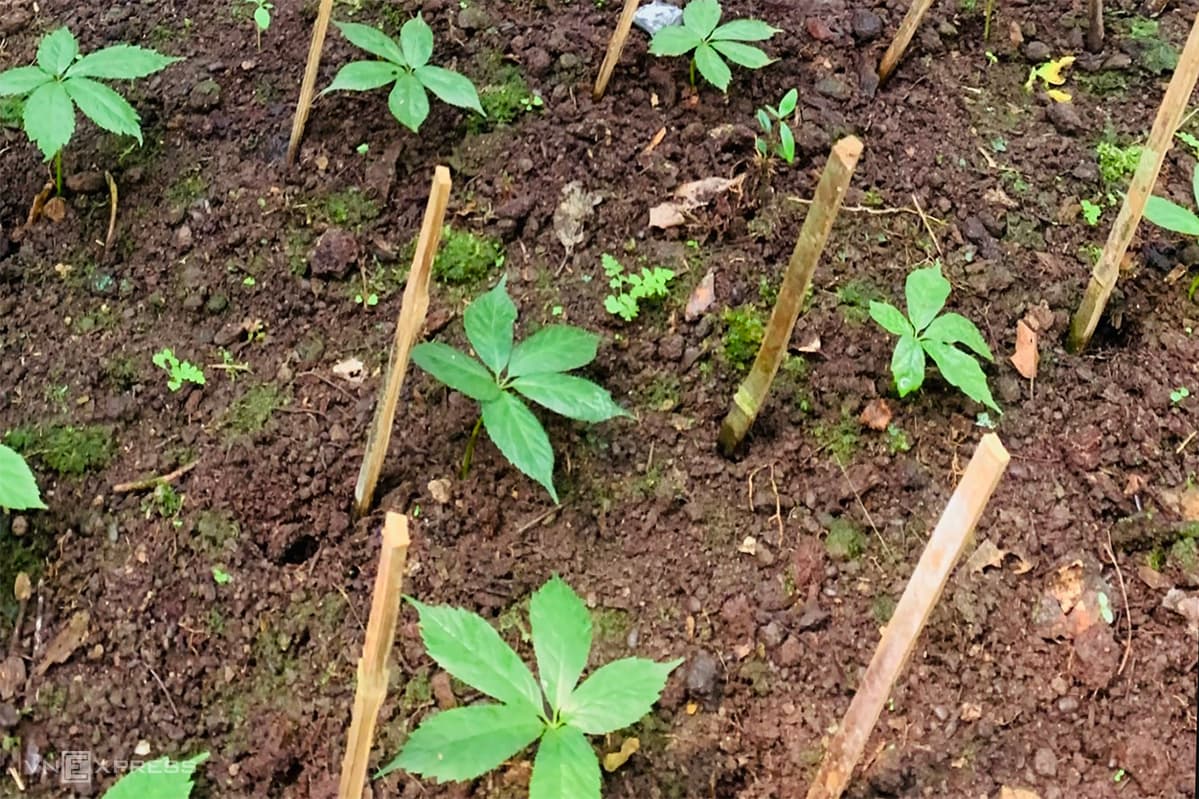
Amidst the primeval forests of the majestic Ngoc Linh mountain range, Sâm Ngọc Linh has long been considered one of Vietnam's rarest and most precious medicinal herbs. Not only does it possess high economic value, but this ginseng species is also likened to a "national treasure" due to its special biological characteristics and unique gene source, generously bestowed by nature.
However, preserving and developing this precious gene source is a long journey with great efforts from the people, scientists, and local authorities.
Rare gene source formed by special natural conditions
Sâm Ngọc Linh grows in a very specific natural environment, at an altitude of about 1,200 meters or more, under the canopy of primeval forests with cool climate year-round and high humidity. These strict natural conditions have contributed to creating distinct biological characteristics, allowing Sâm Ngọc Linh to possess a high saponin content along with many precious active ingredients that few other ginseng species in the world have.
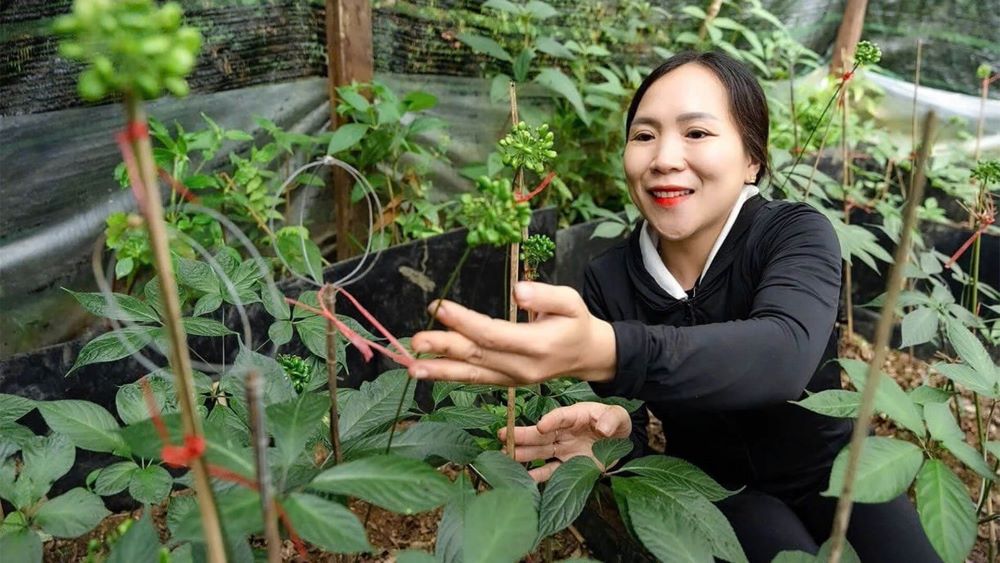
Photo: Collected
This very endemic nature makes the gene source of Sâm Ngọc Linh an invaluable asset not only for the locality but also for Vietnam's medicinal herb industry. However, in the past, spontaneous exploitation and increasing market demand once put the natural ginseng source at risk of decline.
Many areas that once had wild ginseng gradually became scarce. This created an urgent need to preserve the original gene source, while also seeking sustainable development solutions for cultivation areas to avoid the risk of losing this valuable resource.
From in-situ conservation to propagation and cultivation area development
Recognizing the special value of Sâm Ngọc Linh, many conservation programs have been implemented in recent years. One of the most important tasks is to preserve the original ginseng populations in their natural environment, where the pure gene source of this precious plant is maintained.
Alongside forest protection, scientific research activities have also been promoted to serve the propagation and development of raw material areas. Experts have focused on studying growth characteristics, propagation processes, care, and gene source conservation to enhance the development potential of ginseng plants while retaining their inherent characteristics.
Concurrently, local people are increasingly encouraged to participate in growing ginseng under the forest canopy. This model not only helps expand cultivation areas but also creates conditions for preserving the gene source in an environment closest to natural conditions. Developing cultivation areas with controlled seed sources, traceability, and forest ecosystem protection is becoming an important foundation for the long-term development of Sâm Ngọc Linh.
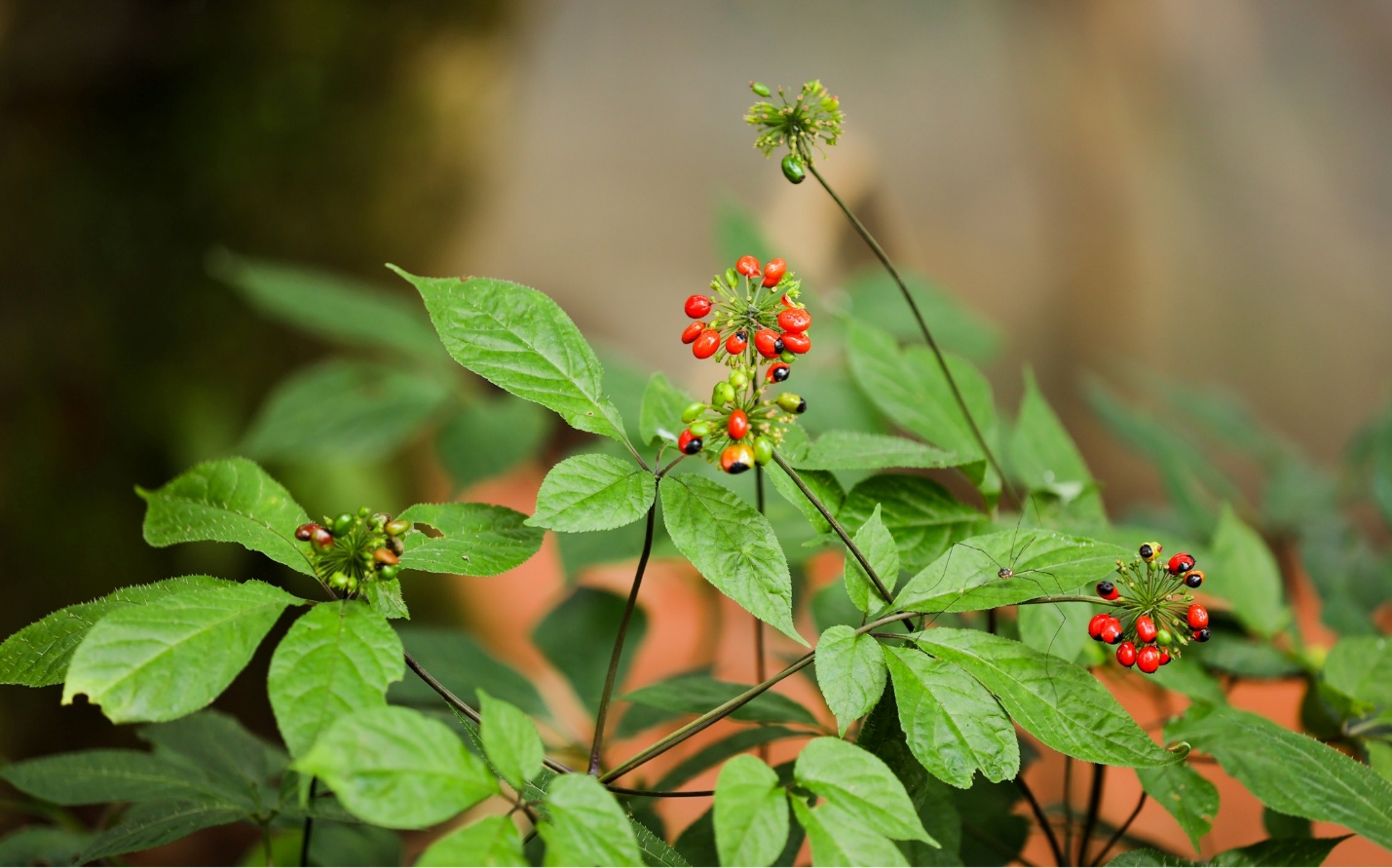
Photo: Collected
Preserving the Sâm Ngọc Linh gene source is preserving the future of the highlands
Preserving the Sâm Ngọc Linh gene source is not just a story of science or the medicinal herb industry, but also closely linked to the livelihoods and future development of local communities. As the value of ginseng is increasingly affirmed, protecting the original gene source becomes a decisive factor in maintaining the quality, reputation, and brand of Sâm Ngọc Linh in the market.
For the people of the highlands, each ginseng plant is not merely a medicinal herb but also the result of preserving forests, natural resources, and indigenous knowledge accumulated over many generations. It is this bond between humans and the forest that has contributed to the development of sustainable ginseng growing areas as they are today.
The journey to preserve the precious gene source of Sâm Ngọc Linh continues. It is a journey that requires the joint efforts of scientists, authorities, businesses, and local communities. Because more than just economic value, preserving the Sâm Ngọc Linh gene source today is protecting a valuable part of Vietnam's natural heritage for future generations.