Cinnamon has long been widely used in cuisine, medicine, and daily life. However, not everyone knows how to distinguish high-quality cinnamon from lower-value varieties on the market. For those involved in cinnamon cultivation in Trà Leng, just by looking at the color of the bark or smelling its aroma, they can already assess the quality of the product to some extent.
Behind each cinnamon stick is a combination of natural conditions, tree age, and the farmers' care experience. Therefore, knowing how to identify standard cinnamon not only helps consumers choose better products but also understand more about the value of this highland specialty.
Look at the bark color to identify cinnamon quality
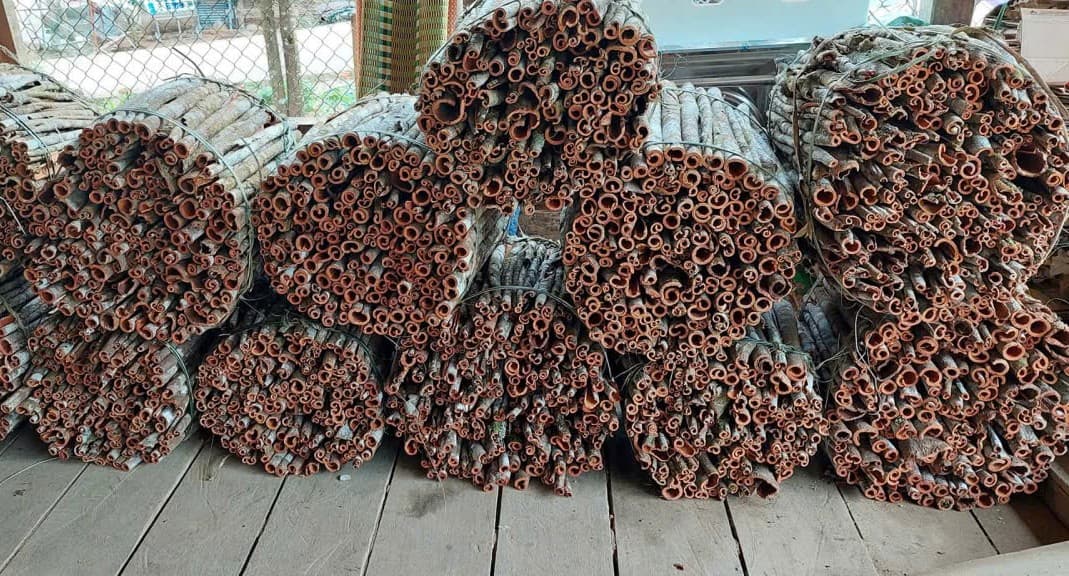
One of the simplest ways to evaluate cinnamon is to observe the outer color of the bark. Good quality cinnamon sticks often have a distinctive brown color, a relatively uniform surface, and do not show many signs of mold or discoloration. The color of cinnamon partly reflects the growth process of the tree as well as the preservation method after harvesting.
For cinnamon of appropriate age for harvesting, the bark is usually thicker, firmer, and darker in color compared to younger trees. This is also why long-standing cinnamon growing regions like Trà Leng are always highly regarded for the quality of their raw materials.
Besides color, buyers can also observe the thickness of the cinnamon stick. Thicker cinnamon sticks usually contain a higher essential oil content, providing better use value and commercial value.
Aroma is an important sign of standard cinnamon
While color helps identify external quality, aroma is the factor that most clearly reflects the value of cinnamon. High-quality cinnamon often has a strong, warm, and easily recognizable aroma as soon as you hold it. This aroma comes from the natural essential oils accumulated during the tree's growth process.
Experienced people often just need to gently break or bring the cinnamon stick closer to feel its distinctive aroma. Cinnamon with a high essential oil content will have a stronger and longer-lasting aroma compared to lower-quality varieties.
This is also one of the characteristics that make the reputation of Quế Trà Leng. The climate, soil conditions, and cultivation experience of the local people have contributed to creating a unique aroma for the local cinnamon products.
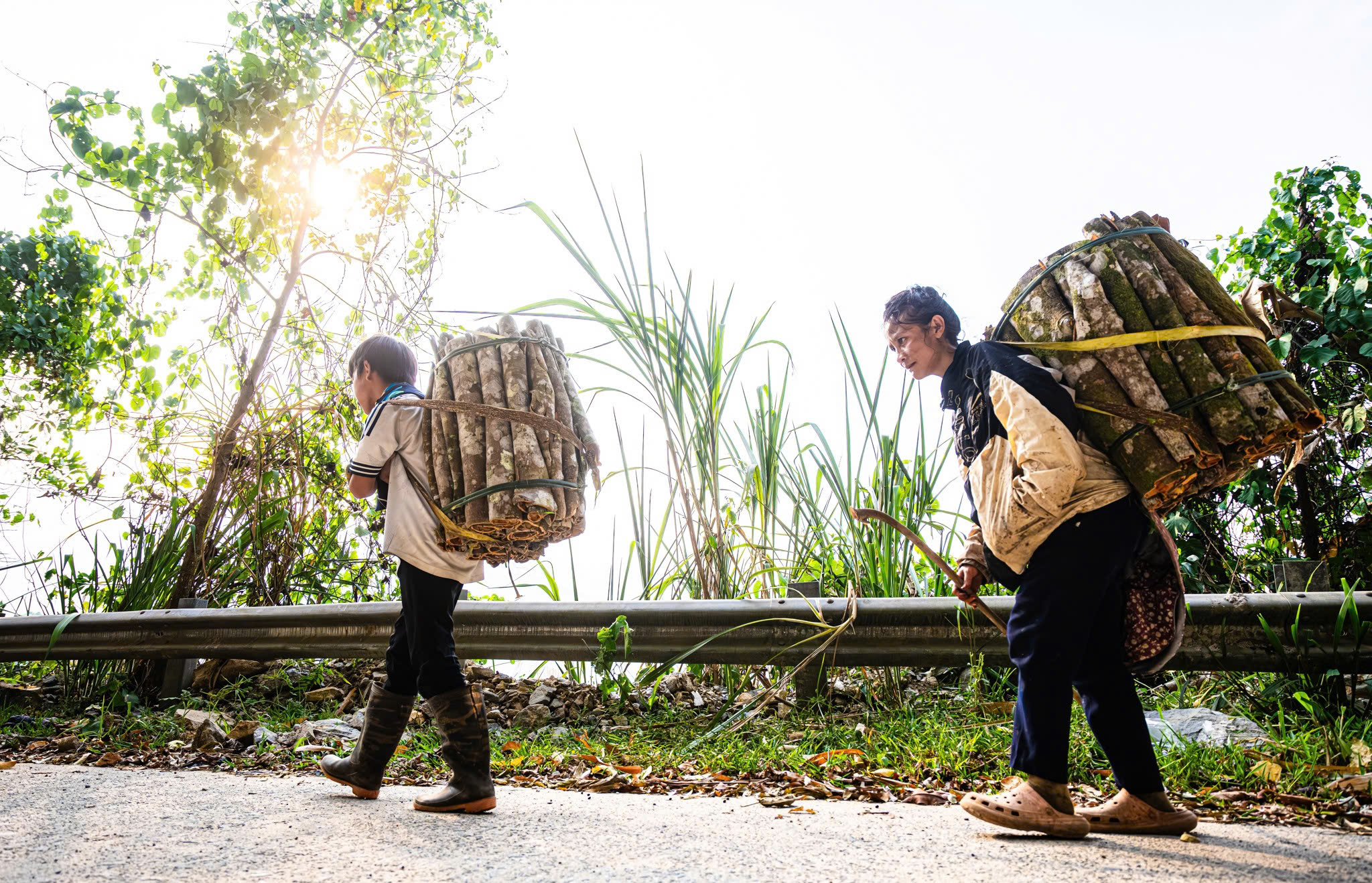
Why is Trà Leng cinnamon highly valued by many?
The quality of cinnamon depends not only on the tree variety but also on natural conditions and the care process.
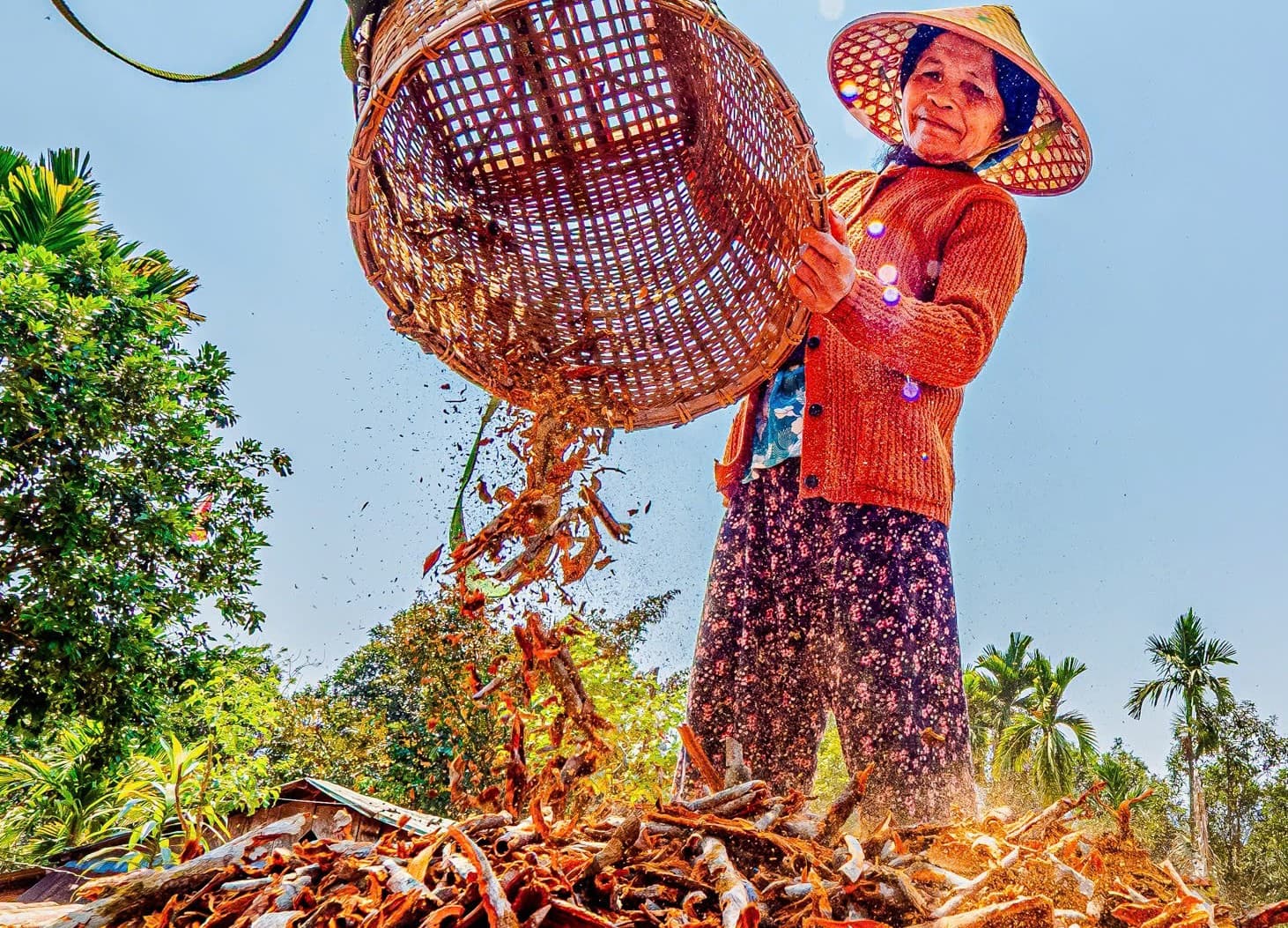
In Trà Leng, cinnamon trees are grown on hills and mountains with cool climates and suitable rainfall. The prolonged growth process helps the trees accumulate natural essential oils, creating thick bark and a distinctive aroma. Besides natural factors, experience passed down through many generations also plays an important role in creating product quality. Local people understand the appropriate time to care for, harvest, and preserve cinnamon to maintain its best value.
It is the combination of nature and indigenous experience that has contributed to creating the brand Quế Trà Leng – one of the characteristic specialties of the high mountains.
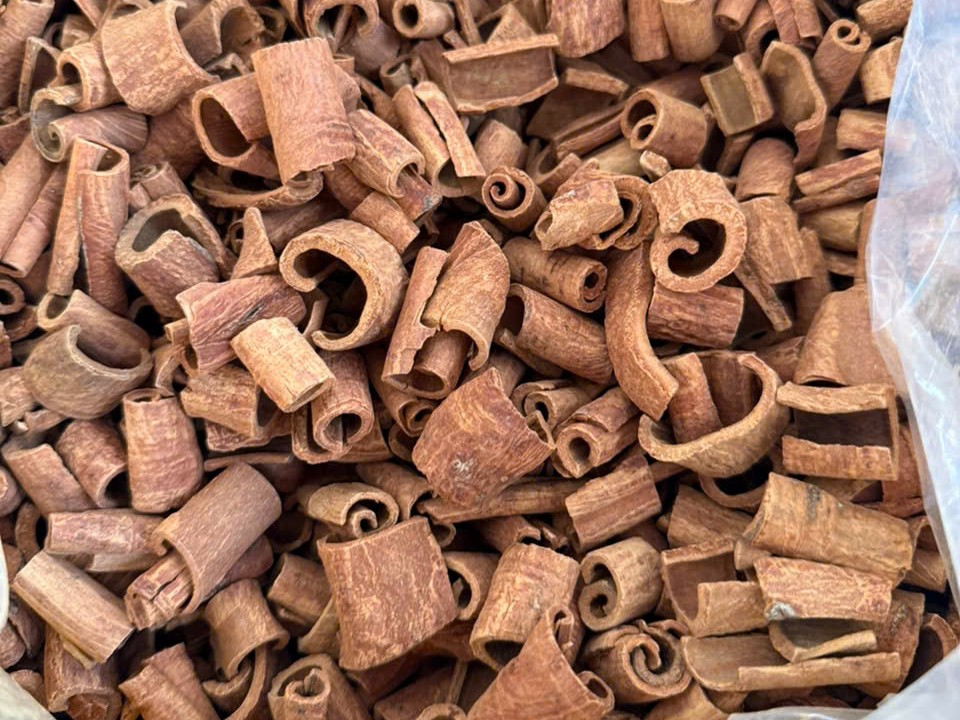
Choose the right cinnamon to fully appreciate the value of highland specialties
To choose quality cinnamon, buyers can start with simple signs such as observing the color of the cinnamon bark and feeling the natural aroma of the product.
Cinnamon sticks with beautiful color, thick bark, and distinctive aroma often reflect better raw material quality. These are also factors that help create the value of cinnamon in daily life and on the market.
For the people of Trà Leng, each cinnamon stick is not just an agricultural product but also the result of many years of care and attachment to the forest land. Therefore, when choosing standard cinnamon, consumers not only find a quality product but also feel the story of the cinnamon land amidst the vast mountains.