
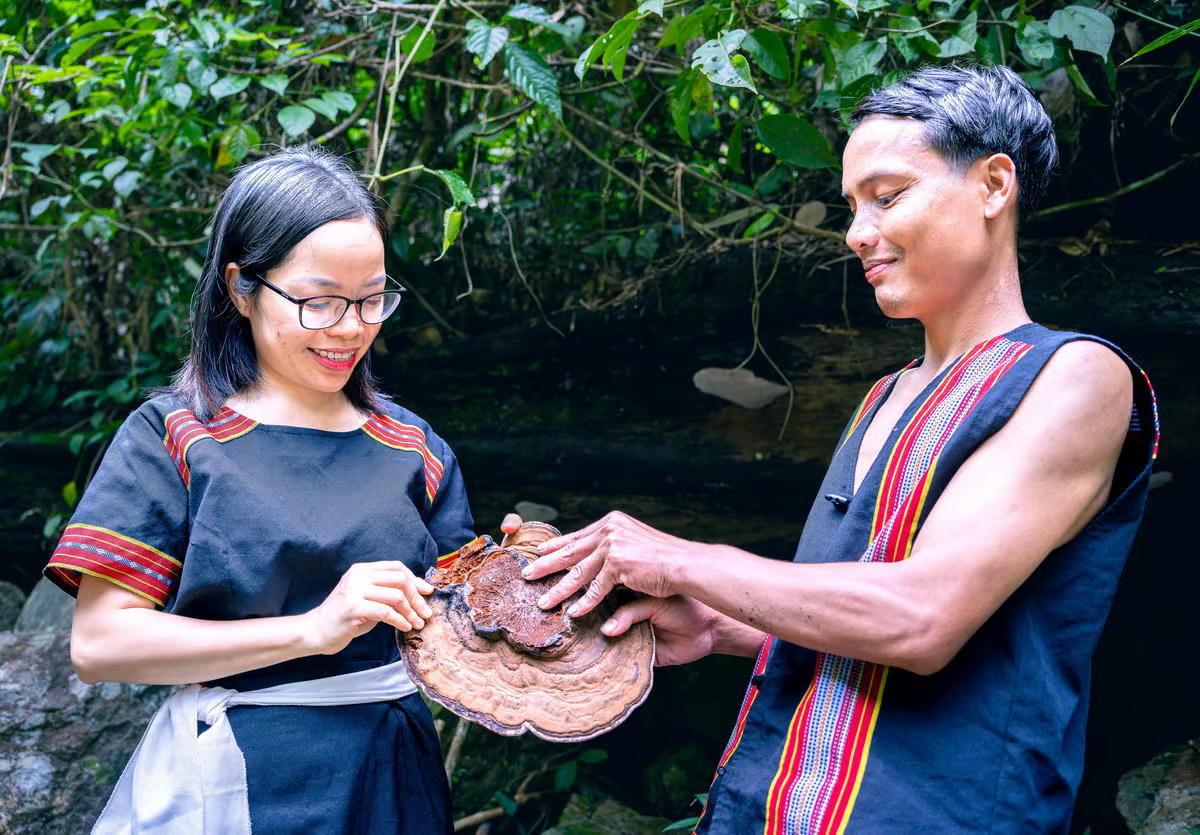
Each land carries its own distinct identity, and amidst the vast mountains of Trà Leng, where traditional cultural values have been preserved for generations, traditional attire serves both as everyday wear and a strong symbol of community identity. In every weave, pattern, and color, the attire of the local people here embodies stories of history, customs, beliefs, and a life intertwined with the mountains and forests.
Even as modern life has brought many changes, traditional attire still holds an important place in the cultural life of the people of Trà Leng. It is a source of community pride and one of the unique hallmarks that contribute to the distinct identity of this land.
Traditional Attire – A Mirror Reflecting Community Cultural Life
For the local people here, attire not only serves to cover the body in daily activities and labor but also acts as an identifier of origin, customs, and cultural identity of the community. Through the colors, styles, and patterns displayed on the clothing, each outfit reflects the unique characteristics of the spiritual life and long-standing traditions of the local people.
Since ancient times, these garments have been created from natural fibers, combined with hand-weaving techniques passed down through generations, along with patterns carrying their own meanings. The process of making an outfit often requires a lot of time, patience, and the skilled hands of the artisan. Each motif appearing on the attire reflects the relationship between humans and nature, with the community, and with the spiritual world, while also expressing life experiences accumulated over many years.
Many patterns mimic images of mountains, streams, trees, or symbols associated with daily labor. Through these lines, the people convey their views on life, aspirations for bountiful harvests, good health, unity, and peace for the community. Some motifs also serve to remind descendants of their origins, their connection to their homeland, and the traditional values that need to be preserved.
The Colors of Brocade in Daily Life and Festivals
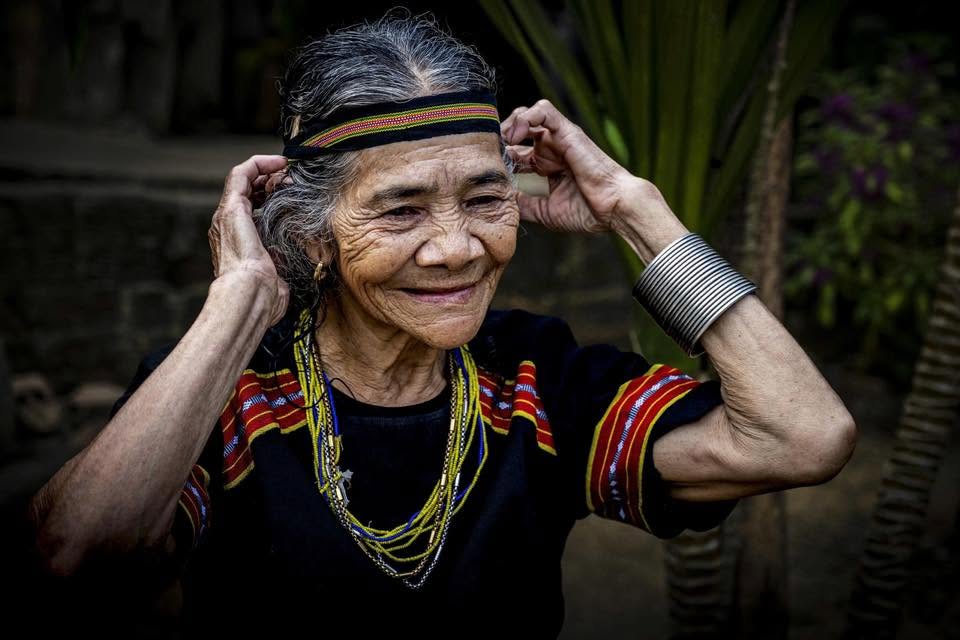
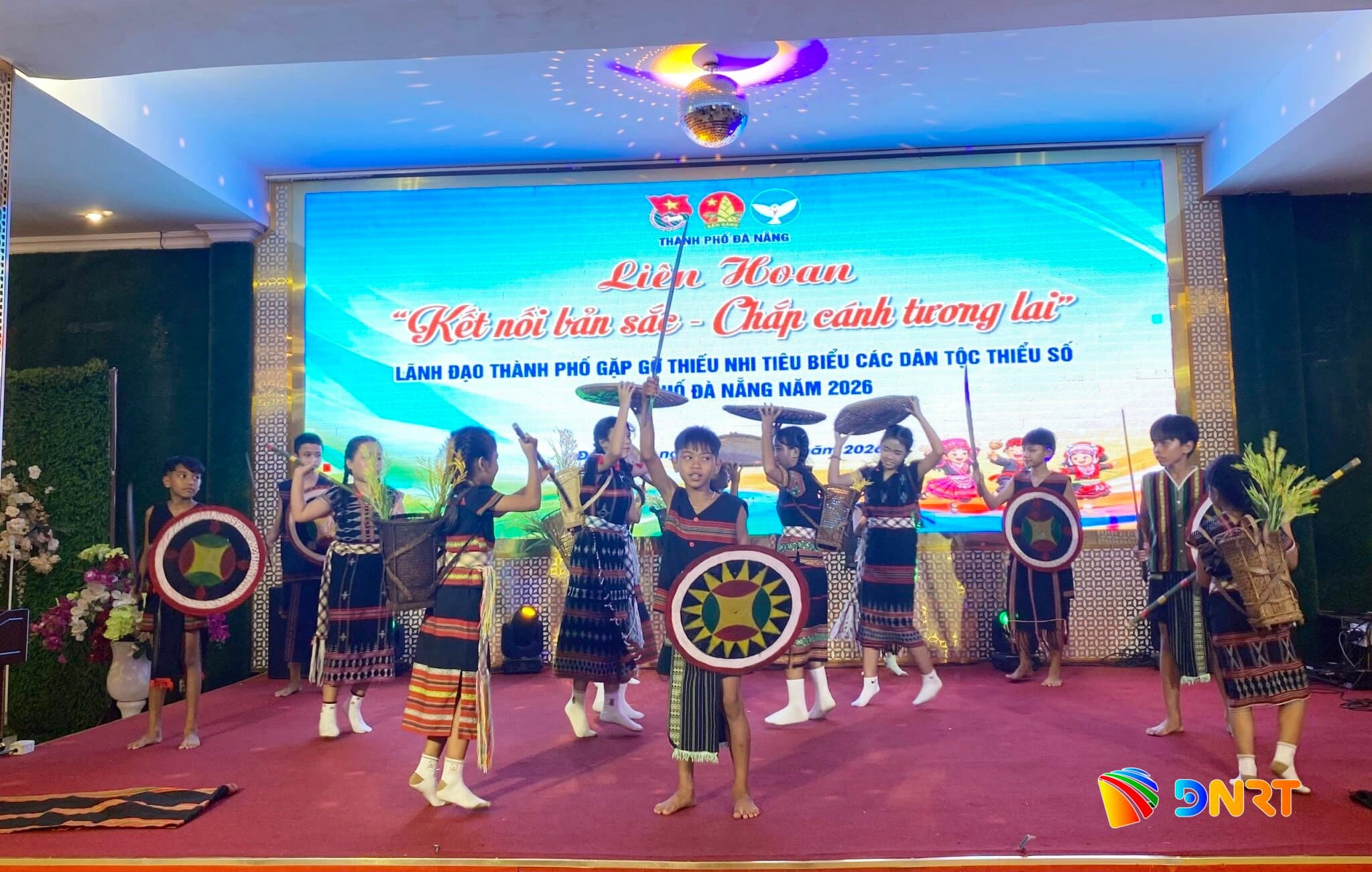
In daily life in the past, brocade attire was closely associated with people's activities, from production labor to community events. These garments were used in various contexts, reflecting the close relationship between humans and their surrounding environment. However, with the changes of modern life, traditional attire today mainly appears in festivals, cultural events, weddings, new rice celebrations, and important community gatherings.
Each festival is an opportunity for traditional colors to be vividly and meaningfully re-enacted. The image of elders, youth, and children dressed in ethnic attire creates a rich cultural space amidst the mountains of Trà Leng. Vibrant colors blending with the sounds of gongs, dances, and traditional rituals contribute to making the festive atmosphere more solemn and emotional.
Beyond its aesthetic value, traditional attire also contributes to community cohesion. When wearing ethnic attire together on important occasions, people are reminded of their origins and the cultural values preserved by their ancestors through many generations. This is also a way for the younger generation to better understand their ethnic traditions and enhance their awareness of preserving local cultural identity.
When Traditional Attire Becomes a Bridge to Tourists
Currently, as the country is on a strong development path and increasingly emphasizes promoting domestic and international cultural identity, along with the development of community tourism, traditional attire has become an important bridge to introduce Trà Leng's culture to a wide range of tourists from near and far.
Many tourists visiting the highlands wish to explore nature and also learn about the cultural life of the indigenous people. Traditional costumes with unique patterns and distinctive colors often make a strong impression on visitors.
Through cultural exchanges, art performances, community festivals, or experiential tourism programs, traditional attire becomes a means to help tourists better understand the history, customs, and identity of the locality.
Many people choose brocade products or accessories with traditional patterns as souvenirs after their trip. This helps the cultural values of Trà Leng spread more widely to many different regions. From traditional attire, the story of the people, culture, and land of Trà Leng is also told in a more intimate and vivid way.
Preserving Traditional Attire is Preserving Trà Leng's Identity
Many traditional cultural values are at risk of fading if not preserved and passed down to the younger generation. Changes in living habits, dress codes, and the demand for convenient products mean that many long-standing cultural features gradually appear less in daily life.
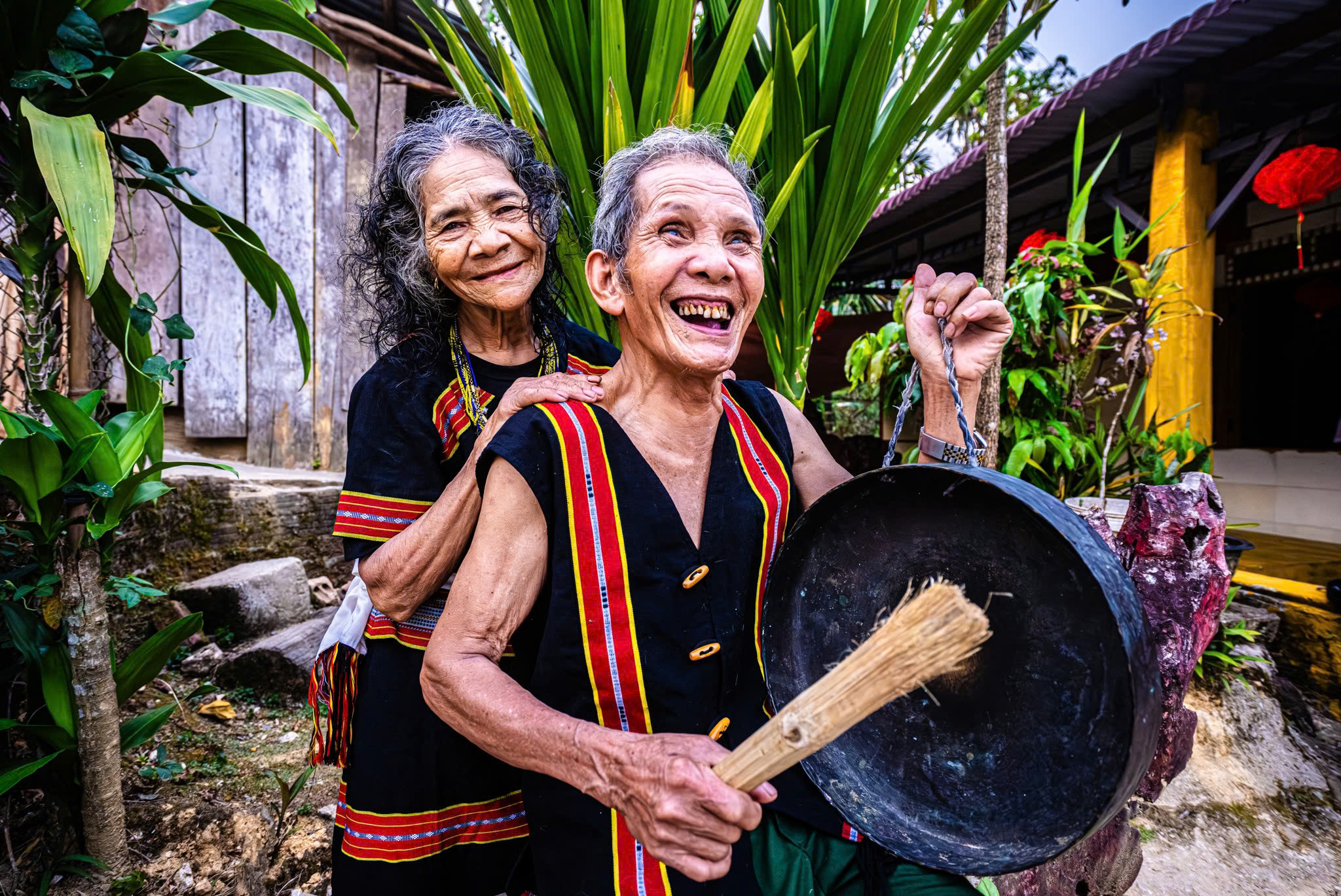
Traditional attire is not immune to these challenges. The emergence of modern clothing means that the use of ethnic attire in daily life is becoming less common. Many young people today only wear traditional attire on festivals, cultural events, or special community days. However, many artisans, village elders, and local people are still striving to preserve weaving traditions, maintain ancient patterns, and teach garment-making skills to future generations. These activities help ensure that traditional cultural values continue to be maintained and spread within the community.
The preservation of traditional attire aims to retain a cultural product, while also contributing to safeguarding indigenous knowledge, customs, and community identity. Behind each outfit are stories of history, living habits, aesthetic concepts, and experiences accumulated over many generations. When these garments still appear in festivals, cultural activities, and community events, the spiritual values of the ethnic group continue to be passed down, helping the younger generation better understand their origins and the traditions of their homeland.
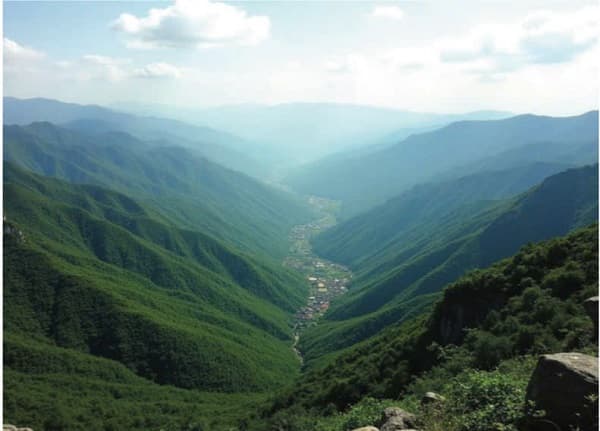
Amidst the vast mountains of Trà Leng, the colors of brocade are still present as a part of memory and community pride. Each traditional outfit carries its own beauty, and at the same time, is a testament to the enduring vitality of highland culture. In every weave, every pattern, and every color, there is the imprint of time and the skill of those who made them. These values are still being preserved, continued, and promoted through many generations, contributing to the distinctive cultural identity of Trà Leng today and in the future.
-67c69a726c4cb11c0334e52d8c276805_watermarked.jpg&w=3840&q=75)