
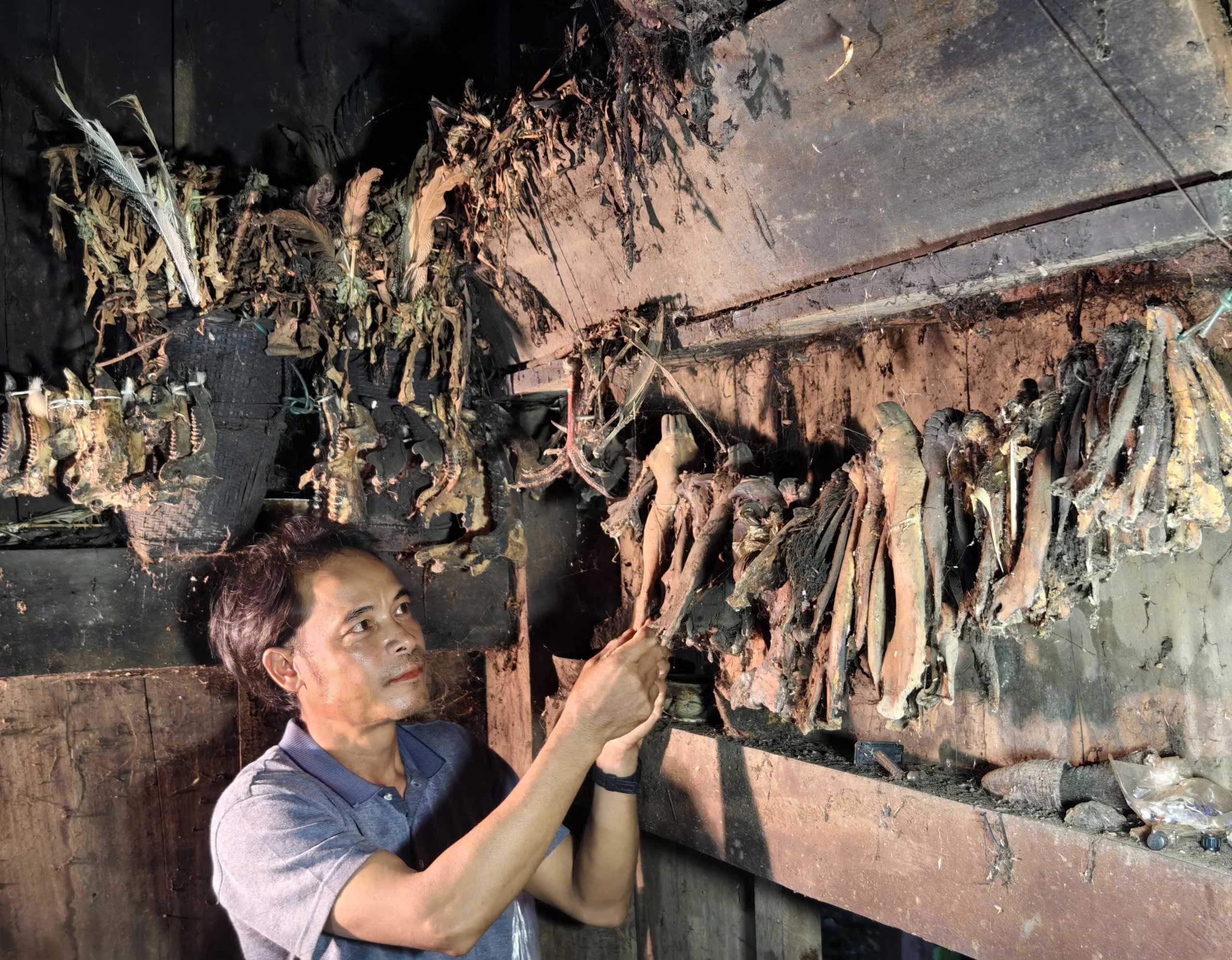
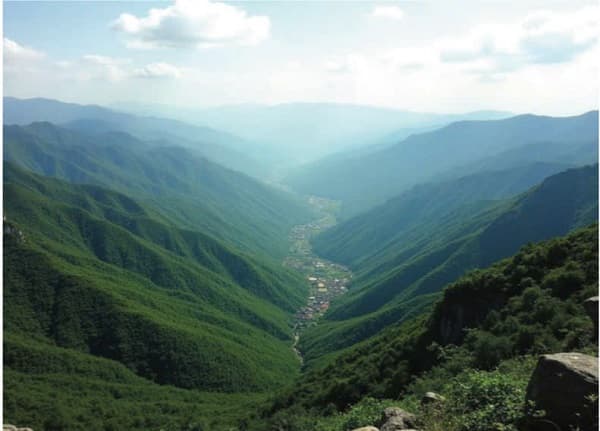
In the wooden houses nestled deep within the mountains of Trà Leng, the Ca Dong people still retain many customs that have existed for generations. Life here unfolds slowly, in rhythm with the mountains, from daily meals and methods of storing rice to rituals for worshipping deities.
Stepping into a Ca Dong kitchen, the most common sight is meat hanging all over the rafters above the stove. This could be wild game, stream fish, or birds hunted after trips into the forest. The year-round kitchen smoke gradually dries the meat for long-term storage. For the people here, hunted animals are not just food but are also considered a bounty bestowed by the forest.
Therefore, the Ca Dong people do not have the custom of buying and selling hunted animals. If a large animal is hunted, they will share it with the entire village. One household brings a portion to another; the elderly and children all receive a share. In their minds, what the forest bestows must be shared so that the village remains cohesive and prosperous.
Beyond maintaining communal living, the Ca Dong people also highly value rice grains. After harvest, glutinous rice is carefully stored in the attic or in a separate rice granary. They believe that rice grains have souls, so no one takes them down casually. Only on important occasions, such as worship ceremonies or special days, does the homeowner go to the granary to retrieve rice for pounding.
From this fresh glutinous rice, it is placed into bamboo tubes to cook cơm lam (bamboo-tube rice) as an offering to the deities. The Ca Dong offering tray is very simple; they offer whatever they have. Sometimes it's a few wild vegetables, sometimes a few pieces of hunted meat, other times just glutinous rice, betel, and leaves picked around the house. But for them, the most important thing is not the quantity of offerings but the sincerity dedicated to Yang (deities) and ancestors.
A very special thing is that in the Ca Dong worship ceremonies, incense is not used as it is in the lowlands. They believe that deities do not need incense smoke but only look at the sincerity of people. Therefore, the worship space is often very quiet, with only the sound of prayers echoing steadily by the flickering fire.
When performing the ritual, the officiant folds both hands, raises them to head level, and bends the fingers at the tips to make a crackling sound, signifying acceptance by the deities. This gesture has existed for a very long time in the religious life of the Ca Dong people. The elders in the village believe that if the bowing is not done correctly, the deities will not accept the prayers.
Even the way people here use tobacco is different from many other places. Tobacco is grown on the fields, and after drying, it is finely ground and then held in the mouth, after which the residue is spit out rather than being lit and smoked. The Ca Dong people believe that tobacco smoke drifting to others is inappropriate. Therefore, they choose a gentler way of using tobacco so as not to affect those around them.
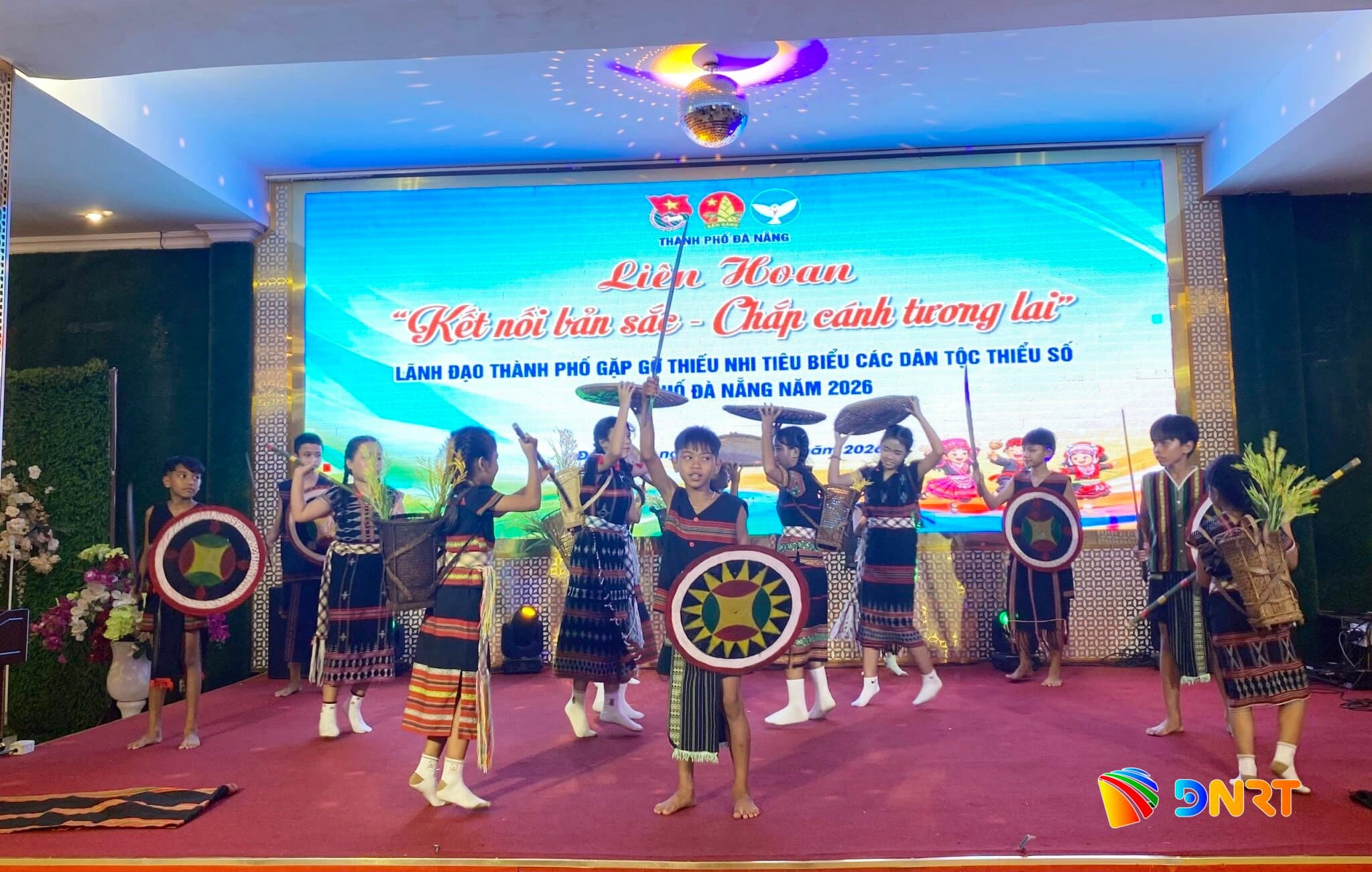
These customs are still preserved in many families in Trà Leng today. Amidst modern life changing daily, the Ca Dong people quietly maintain these old ways, as if preserving a part of the soul of the mountains and forests. It is these simple things that create the unique beauty of the village amidst the vast wilderness here.
-67c69a726c4cb11c0334e52d8c276805_watermarked.jpg&w=3840&q=75)