
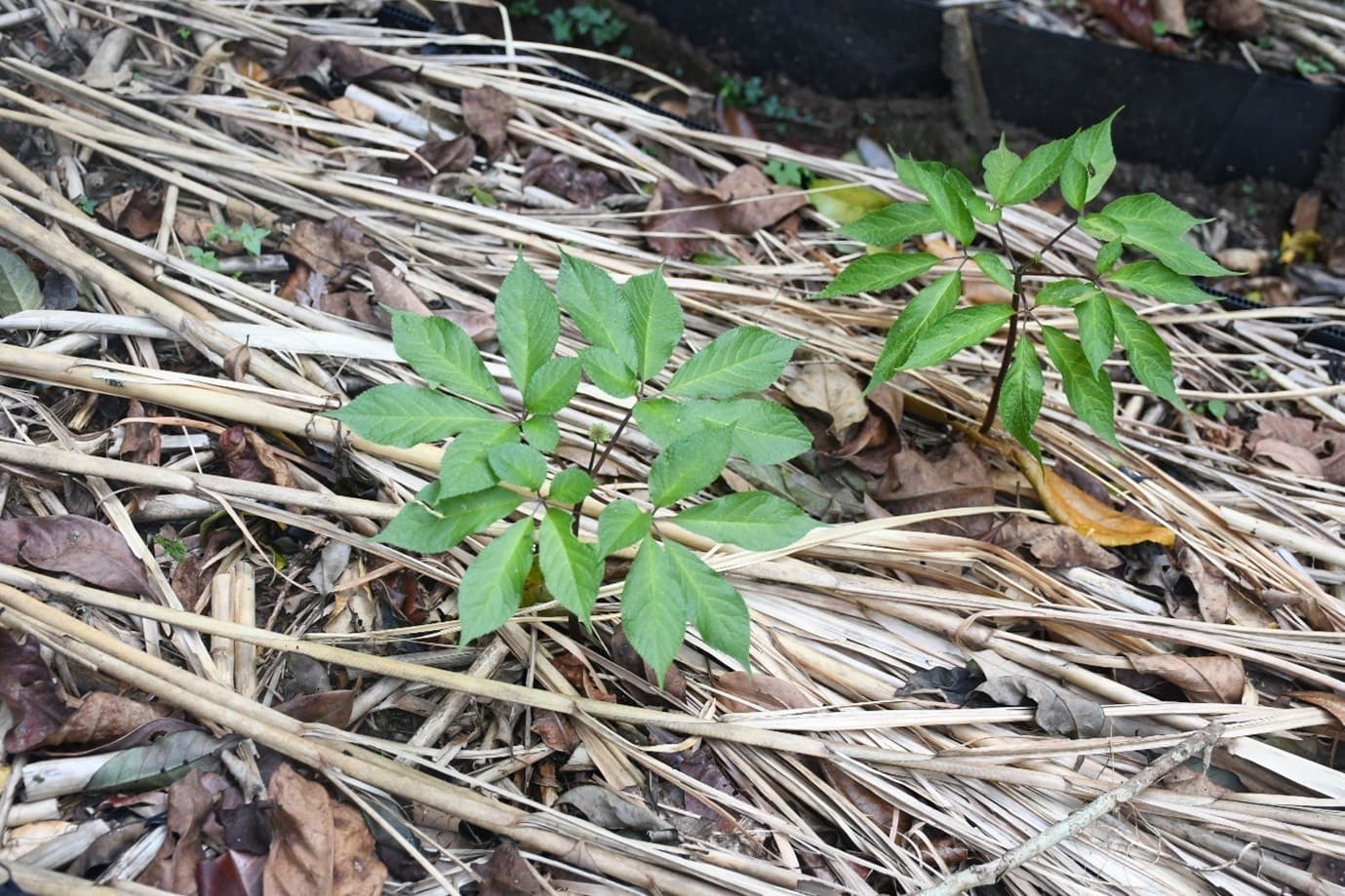
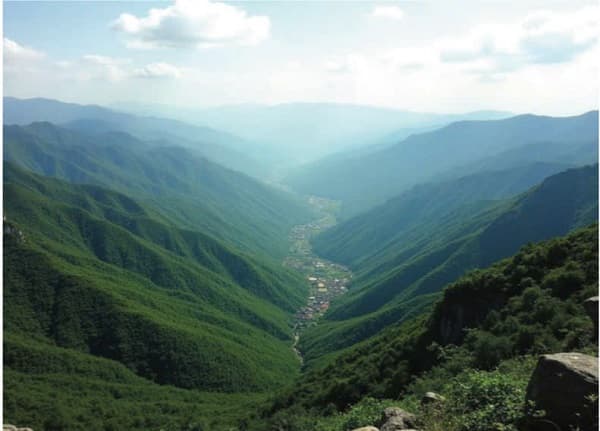
For many mountainous localities, forests are a valuable resource closely linked to the lives of the people. Specifically in Tra Leng, forests hold an even more special meaning as they are home to Sam Ngoc Linh – a medicinal herb considered the pride of this land. Therefore, for many local households, preserving forests is not only an environmental responsibility but also a way to protect livelihoods and sustain ginseng cultivation for future generations.
Forests are vital for Sam Ngoc Linh
Unlike many crops that can thrive on terraced fields or ordinary cultivated land, Sam Ngoc Linh only grows well under the canopy of natural forests. This medicinal herb requires an environment with high humidity, stable temperature, a thick layer of vegetation, and an almost intact ecosystem.
The old-growth forests in the high mountains of Tra Leng create ideal conditions for ginseng to grow. Large tree canopies help regulate temperature, retain soil moisture, and protect the plants from direct weather impacts. Beneath the layer of decaying leaves accumulated over many years is a natural source of nutrition that helps the plants grow steadily.
Because of its strict dependence on the forest environment, if the ecosystem is disturbed, the quality and growth potential of the ginseng will also be affected. Local people understand that if the forest declines, ginseng cultivation will hardly be able to survive long-term.
When Ginseng Growers Become Forest Protectors
From practical production, many households in Trà Leng realize that protecting forests brings direct benefits to their livelihoods. Therefore, along with caring for their ginseng gardens, people also spend a lot of time patrolling, detecting risks of forest encroachment, and protecting ginseng cultivation areas.
Many families consider the forests where they grow ginseng as valuable assets that need to be preserved. Logging, slash-and-burn farming, or uncontrolled resource exploitation can all alter the habitat of ginseng. Therefore, awareness of forest protection is increasingly raised within the community.
Many people believe that ginseng cultivation has contributed to changing the perception of the value of forests. If forests were previously mainly seen as a source of forest products, today forests are also a foundation for sustainable economic development. Thanks to ginseng, people have more motivation to protect natural forests instead of short-term exploitation.
The connection between forests and livelihoods has created a positive cycle: well-protected forests help ginseng thrive, and the economic value from ginseng encourages people to continue preserving forests.
Preserving Forests Today to Preserve the Profession for Future Generations
Sam Ngoc Linh cultivation not only brings income but also opens up long-term development opportunities for many families in Tra Leng. However, for this profession to continue to develop, forest protection remains a decisive factor.
Many local people are passing down to their children and grandchildren not only ginseng cultivation techniques but also the awareness of preserving the forest ecosystem. They understand that the ginseng plants sown today need many years to be harvested, and that can only happen when the natural environment is preserved.
In the context of climate change and increasing pressure on forest resources, the story of Tra Leng shows the close link between nature conservation and economic development. For the people here, preserving forests is not merely protecting landscapes or natural resources, but also protecting their profession, their livelihood, and preserving the values that their ancestors have nurtured over many generations.
Therefore, amidst the green forests of Trà Leng, each ginseng plant grows not only thanks to the soil and water but also thanks to the persistent preservation of the people who are daily connected to the mountains and forests. Preserving forests today is also preserving the future of ginseng cultivation.
-67c69a726c4cb11c0334e52d8c276805_watermarked.jpg&w=3840&q=75)