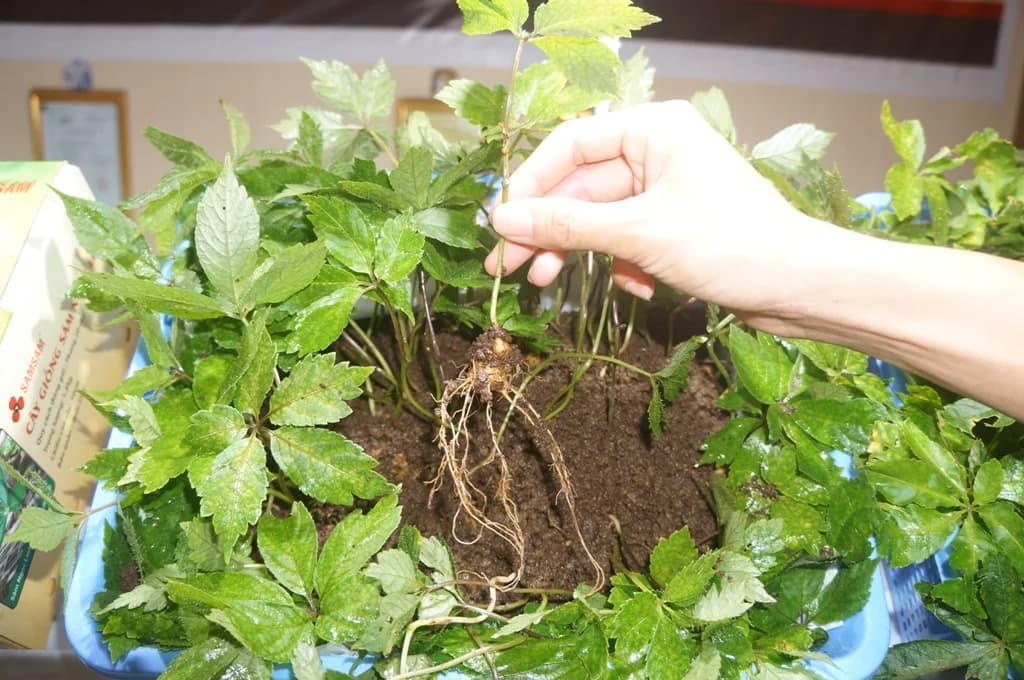
The new policy is expected to create momentum for people, businesses, and production units to expand the cultivation area of Ngoc Linh ginseng, Tra My cinnamon, and many other endemic medicinal herbs, contributing to the economic development of mountainous areas associated with sustainable forest protection.
Creating more impetus for key medicinal herb regions
At the specialized session held on May 29, the Da Nang City People's Council approved a resolution regulating mechanisms to encourage the conservation and development of Ngoc Linh ginseng and other medicinal plants during the period 2026 – 2030.
The new policy was developed based on an assessment of the results of previous support programs. In recent years, investment in medicinal herb regions has helped many mountainous households access seedlings, expand production areas, and gradually improve their income from the forest-canopy economy.
In addition to Ngoc Linh ginseng, many other endemic medicinal plants and agricultural products such as Quế Trà My, đảng sâm, sa nhân, and ba kích are also included in the priority development group.
Ngoc Linh ginseng and Quế Trà My continue to play a key role
According to the new orientation, areas with suitable natural conditions such as Trà Linh, Trà Tập, Trà Leng, Trà Vân, and the Nam Trà My area continue to be identified as centers for Ngoc Linh ginseng development.
For Quế Trà My, a plant that has long been associated with people in the highlands, the locality continues to encourage the expansion of concentrated cultivation areas, improve the quality of raw material areas, and increase value through deep processing.
The simultaneous development of two key products, Ngoc Linh ginseng and Quế Trà My, is considered an important solution to effectively exploit the ecological advantages of the high mountainous region, creating stable livelihoods for local communities.
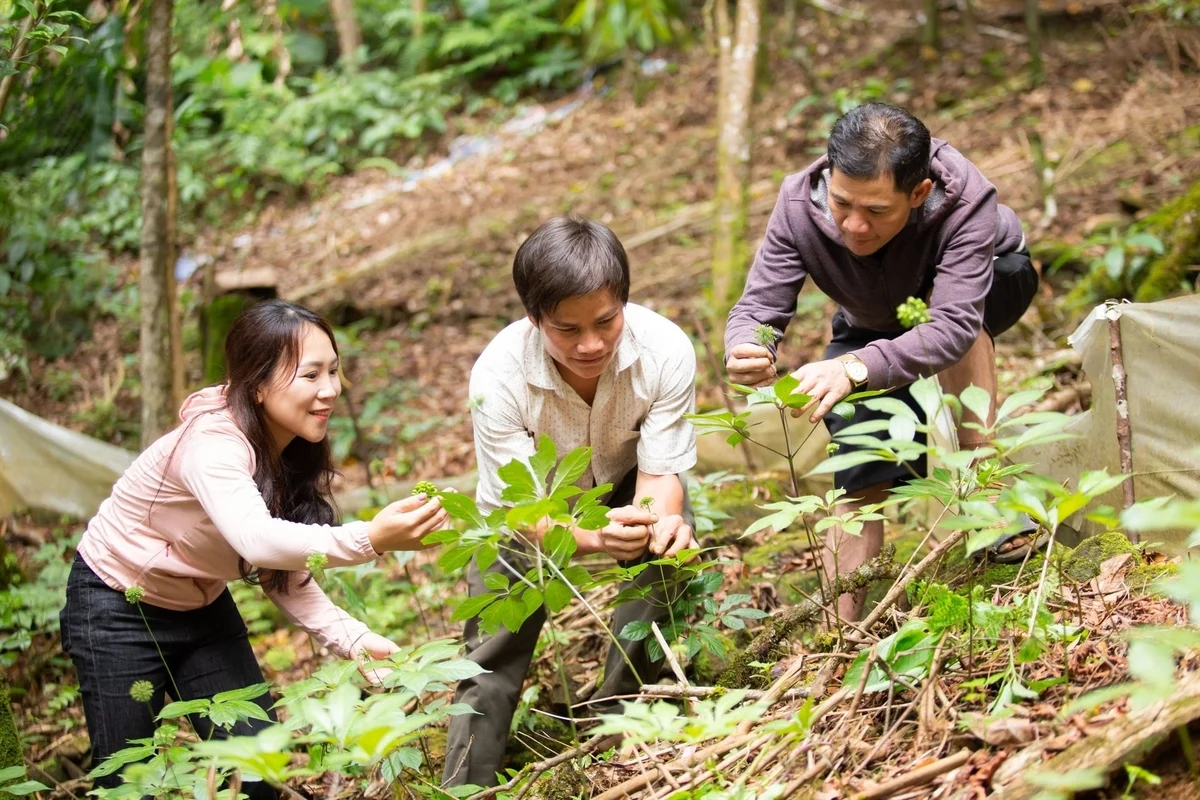
Ngoc Linh ginseng is considered a "treasure" of the Vietnamese people. Photo: Collected
Supporting people and businesses to expand production
One of the notable points of the new mechanism is the expansion of policy beneficiaries. Not only households and production groups, but also businesses, cooperatives, and forest management units investing in the medicinal herb sector can access support resources.
For the people, the city plans to continue supporting Ngoc Linh ginseng seedlings to rapidly increase new planting areas in the coming period. Meanwhile, large-scale ginseng development projects will receive partial investment cost support, helping to reduce capital pressure for businesses.
In addition, contents related to cultivation area management, traceability, and product development under the forest canopy are also emphasized to improve the quality and transparency of products in the market.
Towards building a national-level medicinal herb brand
Despite many positive results, the medicinal herb industry still faces many challenges such as high investment costs, limited mountainous infrastructure, inconsistent seed quality, and the risk of counterfeit products appearing on the market.
Therefore, the new mechanism not only aims to expand production areas but also focuses on increasing the value of the product chain, from gene conservation and seed production to processing and commercialization.
With the expected investment resources for the period 2026 – 2030, Da Nang hopes to gradually build Ngoc Linh ginseng into a national brand product, while promoting the potential of Quế Trà My and indigenous medicinal herbs in green economic development, forest protection, and improving the lives of people in the highlands.
-67c69a726c4cb11c0334e52d8c276805_watermarked.jpg&w=3840&q=75)