
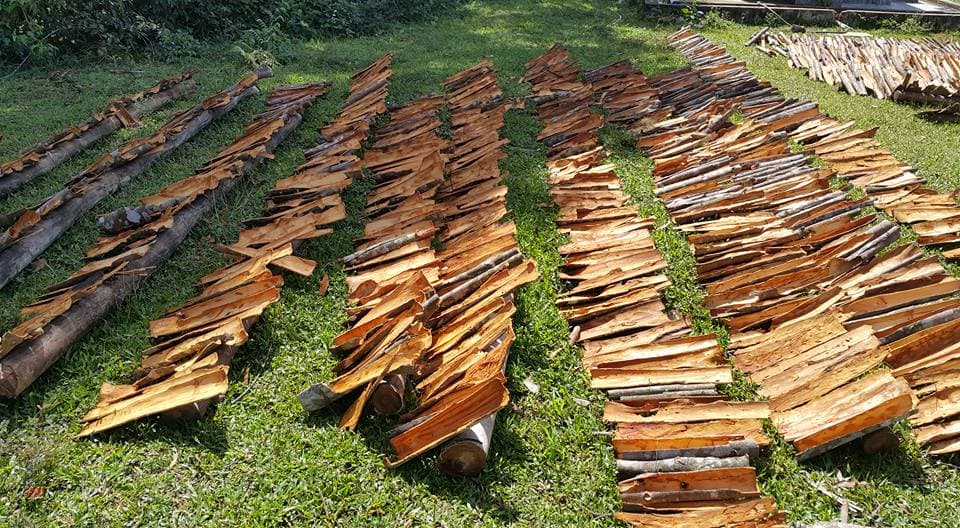
When mentioning Tra Leng cinnamon, many people not only remember its distinctive aroma but are also impressed by its thick, oil-rich bark, which holds high economic value. This is also one of the factors that helps Trà Leng cinnamon be highly valued in the market. However, creating cinnamon trees of such quality is not accidental but a combination of special natural conditions and cultivation experience accumulated over many generations by the highland people.
Natural Conditions Create Tra Leng Cinnamon's Unique Quality
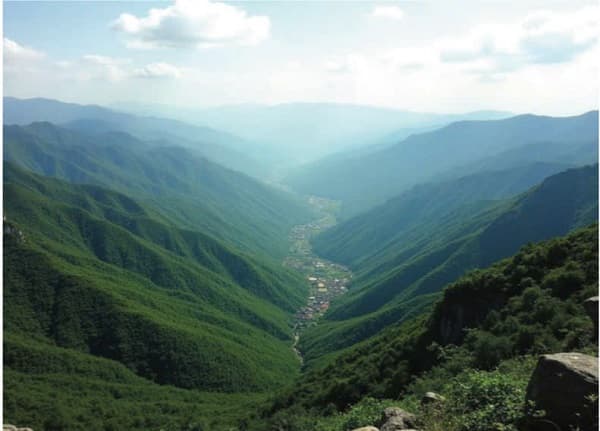
Tra Leng is located in a high mountainous area with a cool climate, abundant rainfall, and stable humidity year-round. These are favorable conditions that help cinnamon trees grow and develop well.
Besides the climate, the soil also plays an important role in forming the quality of the cinnamon tree. The forest soil in Trà Leng is rich in nutrients, has good moisture retention, and is covered by a rich layer of natural vegetation. Thanks to this, cinnamon trees have stable conditions to develop over a long period, creating thick bark and accumulating a high content of essential oils.
Unlike many short-term crops, cinnamon needs many years to mature. It is this slow growth process in the natural environment that helps the tree fully absorb nutrients from the soil and climate, contributing to its distinctive aroma that is difficult for any other growing region to fully replicate.
Cultivation Experience Passed Down Through Generations
For the people of Tra Leng, growing cinnamon is not merely a profession but also an experience accumulated and passed down through many generations. From selecting seedlings, determining planting locations, to the care process, all require an understanding of the local natural conditions.
People often prioritize areas with suitable altitude, good canopy cover, and natural drainage to ensure healthy cinnamon tree growth. During growth, the trees are cared for in a way that is close to nature, limiting impacts that affect the development of roots and stems.
According to the experience of many long-time cinnamon growers, time is the decisive factor for cinnamon bark quality. Trees cared for over many years will have thicker bark, more accumulated essential oils, and a richer aroma. This perseverance has contributed to creating the special value of Tra Leng cinnamon today.
Thick Cinnamon Bark Creates Economic Value for Highland People
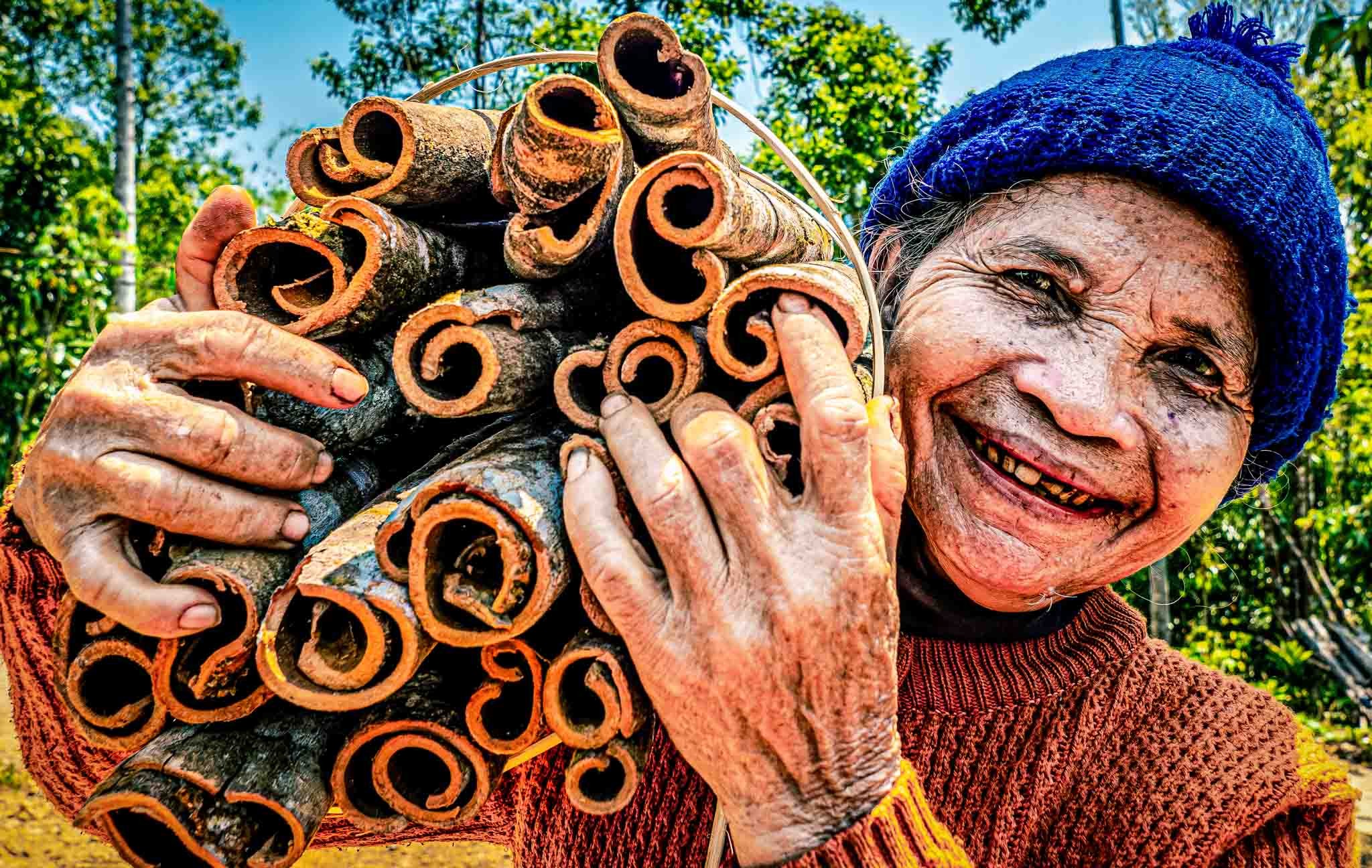
The quality of cinnamon bark not only determines the commercial value of the product but also directly affects the income of local people. Cinnamon trees with thick bark and high essential oil content are often highly valued by the market and have better economic value.
From cinnamon bark, people can provide raw materials for many different fields such as essential oil processing, flavor production, food, and traditional handicrafts. This helps enhance the value of the cinnamon tree and create more economic development opportunities for the highland community.
Today, along with expanding raw material areas and building local brands, Tra Leng cinnamon is gradually asserting its position in the market. Each thick and aromatic cinnamon bark is not only the result of favorable natural conditions but also the achievement of the diligence, experience, and love for the mountains and forests of the local people.
Amidst the vast Tra Leng, the cinnamon forests continue to thrive year after year. And in each layer of fragrant cinnamon bark lies the story of the bond between humans and nature, of a traditional craft that is contributing to creating livelihoods and preserving the identity of the highlands.
-67c69a726c4cb11c0334e52d8c276805_watermarked.jpg&w=3840&q=75)